
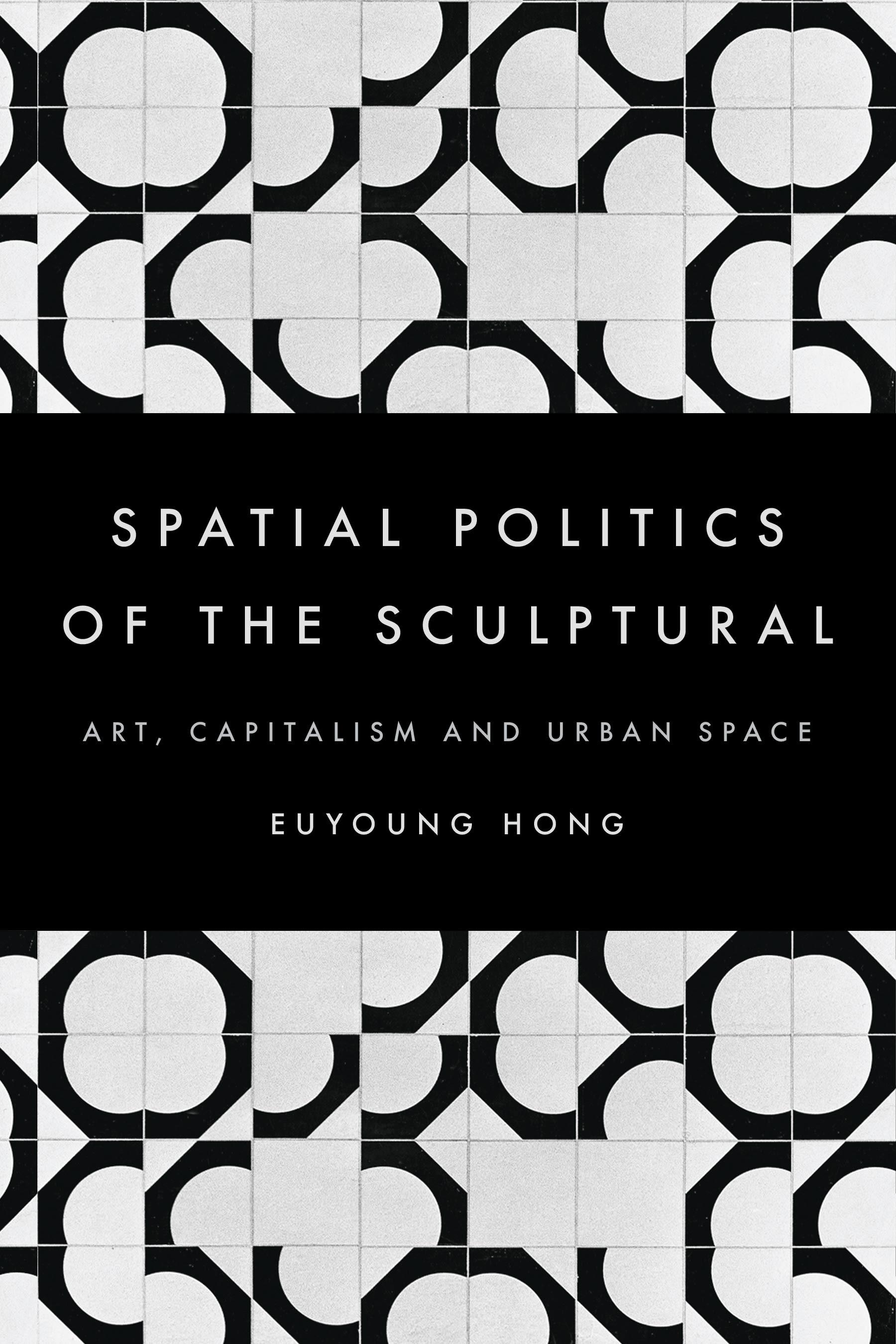
Space is a formative factor in the production of sculpture. Phenomenological thought interprets sculptural work in relation to the immersive experience of the viewer, situating it within its environment. But what possibilities lie beyond this unitary position? What is the political potential of a sculptural object? How can its spatial relations and movements be reconfigured beyond its immediate environment?
Spatial Politics of the Sculptural investigates the concept of space and its role in the production of the sculptural form from a multidimensional perspective. Engaging with the work of Krauss, Fried, Merleau-Pony, Deleuze and Guattari, and using case studies of urban development in Paris, New York and Seoul it reinterprets and dislocates the sculptural form in terms of the political dynamism of space proposing a new methodology for reading, producing and expanding sculptural practice. Drawing on David Harvey’s theory of capital, it scrutinizes the idea of the spatial in the process of urbanization. It examines the interrelationship between capital flow and accumulation, and explores the production and destruction of space in relation to the creation of three-dimensional works of art. In doing so, it expands the idea of the sculptural object in relation to the urban environment.
Spatial Politics of the Sculptural investigates the concept of space and its role in the production of the sculptural form from a multidimensional perspective. Engaging with the work of Krauss, Fried, Merleau-Pony, Deleuze and Guattari, and using case studies of urban development in Paris, New York and Seoul it reinterprets and dislocates the sculptural form in terms of the political dynamism of space proposing a new methodology for reading, producing and expanding sculptural practice. Drawing on David Harvey’s theory of capital, it scrutinizes the idea of the spatial in the process of urbanization. It examines the interrelationship between capital flow and accumulation, and explores the production and destruction of space in relation to the creation of three-dimensional works of art. In doing so, it expands the idea of the sculptural object in relation to the urban environment.
Paga facilmente con carta, Klarna, Apple Pay o Google Pay. Non sei soddisfatto? Hai sempre 14 giorni per il rimborso. Leggi di più nei nostri termini. Per qualsiasi domanda, scrivici a hello@memmo.org.
Memmo rende lo studio più facile, ovunque tu sia nel mondo. Qui trovi i tuoi libri di testo e strumenti di studio intelligenti, tutto in un unico posto: riassunti, quiz, podcast e flashcard. E poi c'è Ted, il tuo compagno di studio che risponde a ogni tua domanda. Oltre 50.000 studenti studiano già qui: è stato creato per aiutarti a imparare più velocemente e a stressarti meno.