
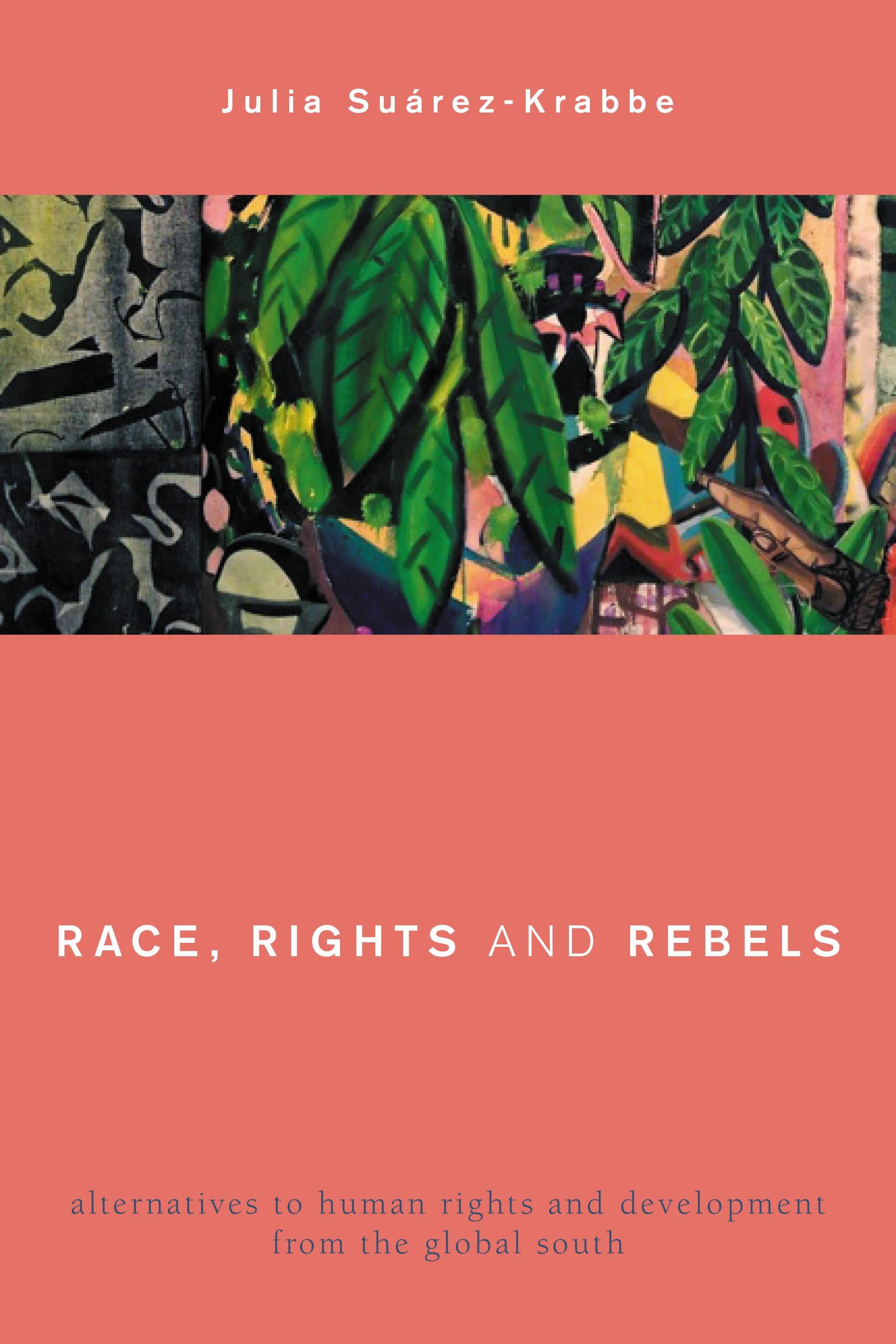
Human rights and development cannot be understood separately. They are historically connected by the idea of race, and have evolved concomitantly with the latter. As the tools of race, human rights and development have been forged in the effort to legitimize and maintain coloniality.
While rights and development can be used as tools to achieve protection, specific political goals, or access in the dominant society, they limit radical social change because they are framed within a specific dominant ontology, and sustain a particular political horizon. This book provides an original analysis of the evolution of the overlapping histories of human rights and development through the prism of coloniality, and offers an important contribution to the search for alternatives to these through the lens of indigenous and other southern theories and epistemologies. In this effort, Julia Suárez-Krabbe brings new perspectives to discussions pertaining to the decolonial perspective, race, knowledge, pluriversality, mestizaje and identity while elaborating on original philosophical concepts that can ground alternatives to human rights and development.
While rights and development can be used as tools to achieve protection, specific political goals, or access in the dominant society, they limit radical social change because they are framed within a specific dominant ontology, and sustain a particular political horizon. This book provides an original analysis of the evolution of the overlapping histories of human rights and development through the prism of coloniality, and offers an important contribution to the search for alternatives to these through the lens of indigenous and other southern theories and epistemologies. In this effort, Julia Suárez-Krabbe brings new perspectives to discussions pertaining to the decolonial perspective, race, knowledge, pluriversality, mestizaje and identity while elaborating on original philosophical concepts that can ground alternatives to human rights and development.
Pagine: 224
Categoria: Kultur-, Genus- & Postkoloniala studier
e-ISBN: 9781783484621
Peso di spedizione: 1.2 kg
Spedito in: 1-2 giorni
Paga facilmente con carta, Klarna, Apple Pay o Google Pay. Non sei soddisfatto? Hai sempre 14 giorni per il rimborso. Leggi di più nei nostri termini. Per qualsiasi domanda, scrivici a hello@memmo.org.
Memmo rende lo studio più facile, ovunque tu sia nel mondo. Qui trovi i tuoi libri di testo e strumenti di studio intelligenti, tutto in un unico posto: riassunti, quiz, podcast e flashcard. E poi c'è Ted, il tuo compagno di studio che risponde a ogni tua domanda. Oltre 50.000 studenti studiano già qui: è stato creato per aiutarti a imparare più velocemente e a stressarti meno.