
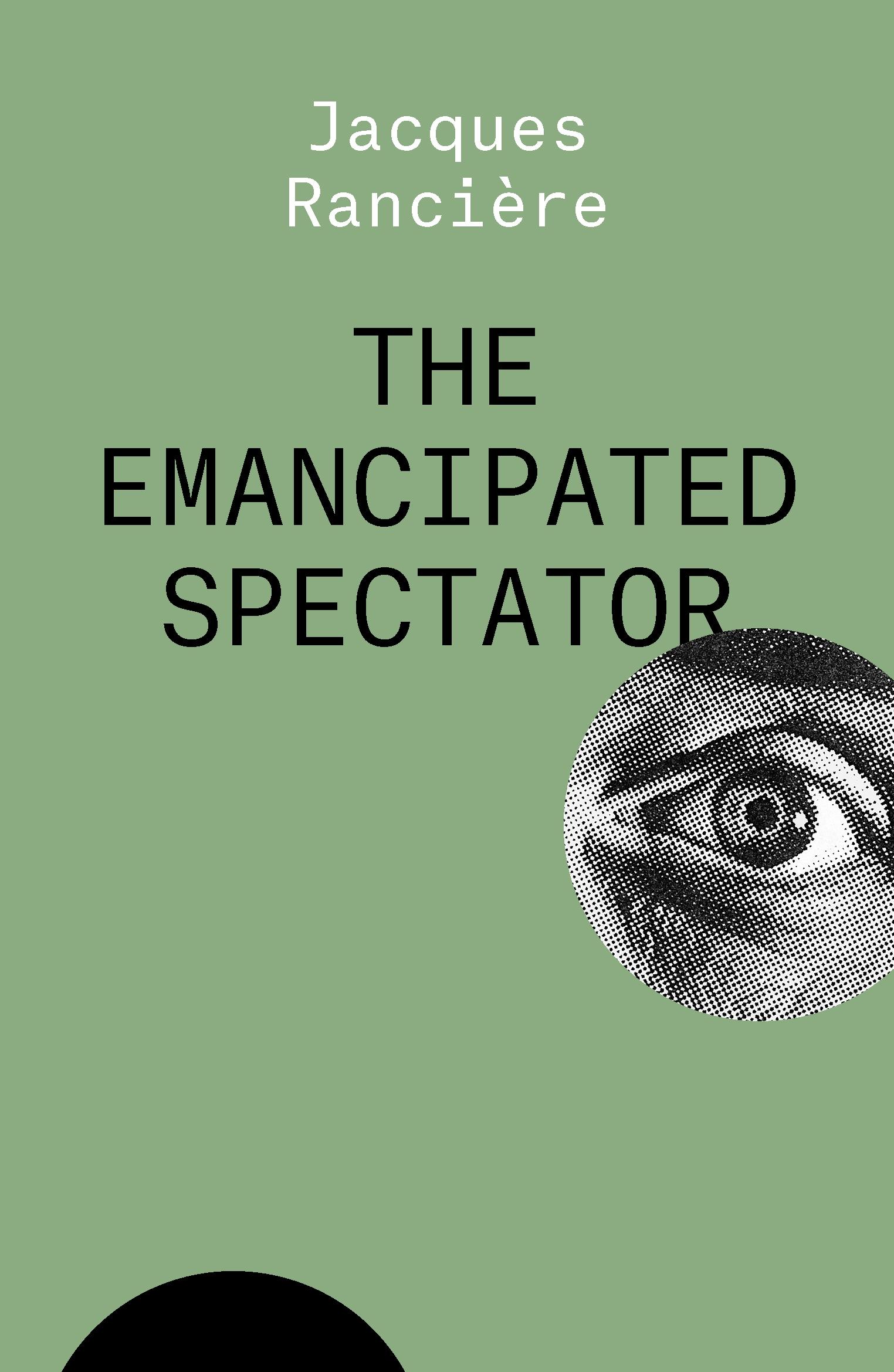
The theorists of art and film commonly depict the modern audience as aesthetically and politically passive. In response, both artists and thinkers have sought to transform the spectator into an active agent and the spectacle into a communal performance.
In this follow-up to the acclaimed The Future of the Image, Ranci�re takes a radically different approach to this attempted emancipation. First asking exactly what we mean by political art or the politics of art, he goes on to look at what the tradition of critical art, and the desire to insert art into life, has achieved. Has the militant critique of the consumption of images and commodities become, ironically, a sad affirmation of its omnipotence?
In this follow-up to the acclaimed The Future of the Image, Ranci�re takes a radically different approach to this attempted emancipation. First asking exactly what we mean by political art or the politics of art, he goes on to look at what the tradition of critical art, and the desire to insert art into life, has achieved. Has the militant critique of the consumption of images and commodities become, ironically, a sad affirmation of its omnipotence?
Paga facilmente con carta, Klarna, Apple Pay o Google Pay. Non sei soddisfatto? Hai sempre 14 giorni per il rimborso. Leggi di più nei nostri termini. Per qualsiasi domanda, scrivici a hello@memmo.org.
Memmo rende lo studio più facile, ovunque tu sia nel mondo. Qui trovi i tuoi libri di testo e strumenti di studio intelligenti, tutto in un unico posto: riassunti, quiz, podcast e flashcard. E poi c'è Ted, il tuo compagno di studio che risponde a ogni tua domanda. Oltre 50.000 studenti studiano già qui: è stato creato per aiutarti a imparare più velocemente e a stressarti meno.
Potrebbe interessarti anche
Acquista il libro0