
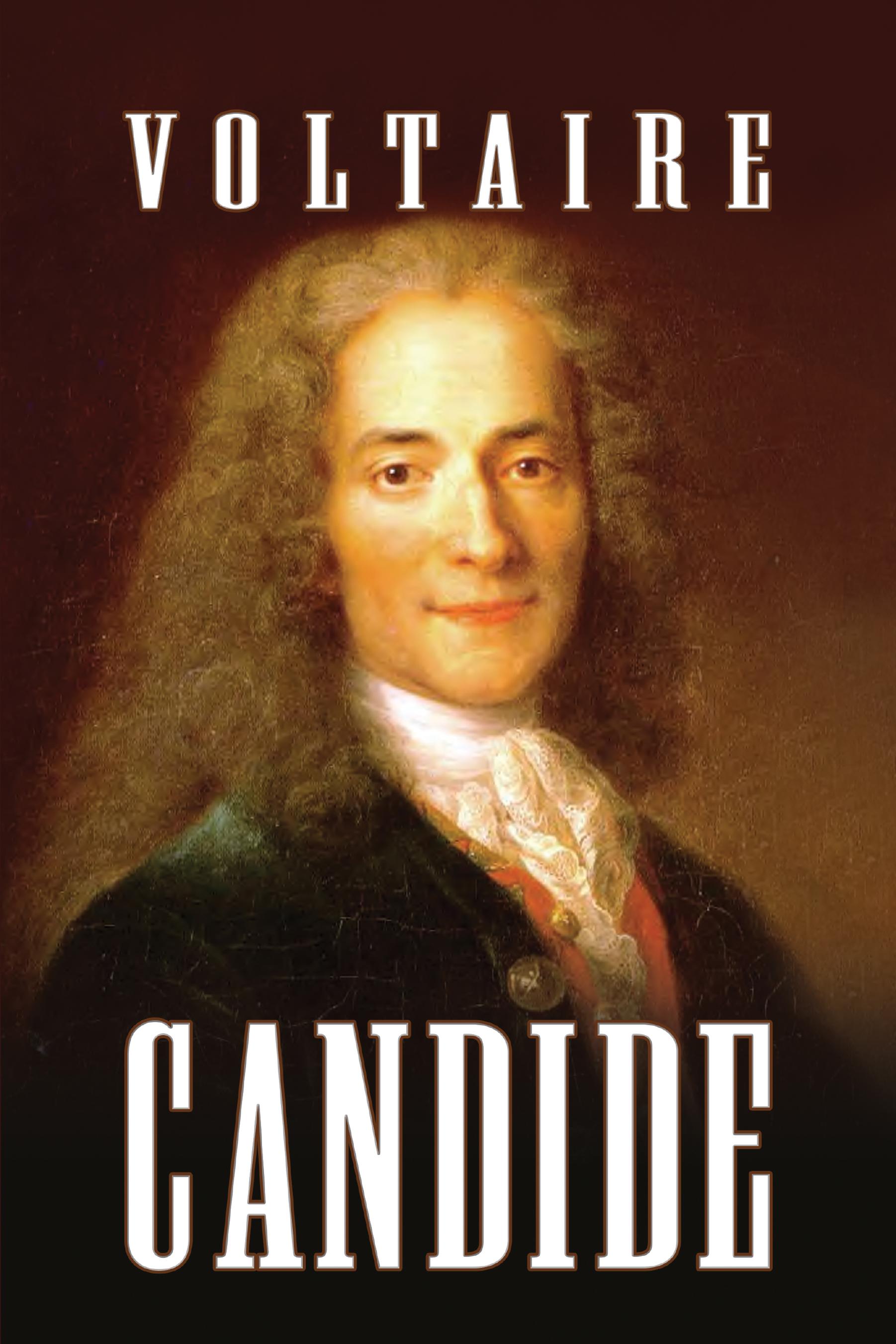
"If this is the best of possible worlds, what then are the others?" - CANDIDE
Candide is a French satire first published in 1759 by Voltaire, a philosopher of the Age of Enlightenment. It is the absurdly melodramatic story of a young man, Candide, living a sheltered life who clings desperately to “the best of all possible worlds,” one which is abruptly interrupted by a series of painfully disillusioning events that set him off on a wide-ranging journey. The sudden cessation of his idyllic lifestyle is followed by Candide’s slow, painful disillusionment as he witnesses and experiences calamity upon calamity as he is forced into the army, flogged, shipwrecked, betrayed, robbed, separated from his beloved and tortured by the inquisition.
Through his erratic, fantastical, fast-moving plot, Voltaire employs a sarcastic tone and dark humor to ridicule religion, and theologians, governments, armies, philosophies and philosophers. The events discussed are often based on historical happenings, such as the Seven Years’ War and the 1755 Lisbon earthquake. The story parodies Candide’s many adventure and romance cliches, which are caricatured in a caustic matter-of-fact tone. Candide finds that contrary to the teachings of his distinguished tutor Dr. Pangloss, all is not always for the best.
Widely banned for religious blasphemy, political sedition, and intellectual hostility hidden under a thick veil of naivete, Candide has endured scandal along with great success. Alive with sharp wit, brilliance, graceful storytelling and an insightful portrayal of the human condition, the novel has inspired many later authors and artists. It has become Voltaire’s most celebrated work.
Candide is a French satire first published in 1759 by Voltaire, a philosopher of the Age of Enlightenment. It is the absurdly melodramatic story of a young man, Candide, living a sheltered life who clings desperately to “the best of all possible worlds,” one which is abruptly interrupted by a series of painfully disillusioning events that set him off on a wide-ranging journey. The sudden cessation of his idyllic lifestyle is followed by Candide’s slow, painful disillusionment as he witnesses and experiences calamity upon calamity as he is forced into the army, flogged, shipwrecked, betrayed, robbed, separated from his beloved and tortured by the inquisition.
Through his erratic, fantastical, fast-moving plot, Voltaire employs a sarcastic tone and dark humor to ridicule religion, and theologians, governments, armies, philosophies and philosophers. The events discussed are often based on historical happenings, such as the Seven Years’ War and the 1755 Lisbon earthquake. The story parodies Candide’s many adventure and romance cliches, which are caricatured in a caustic matter-of-fact tone. Candide finds that contrary to the teachings of his distinguished tutor Dr. Pangloss, all is not always for the best.
Widely banned for religious blasphemy, political sedition, and intellectual hostility hidden under a thick veil of naivete, Candide has endured scandal along with great success. Alive with sharp wit, brilliance, graceful storytelling and an insightful portrayal of the human condition, the novel has inspired many later authors and artists. It has become Voltaire’s most celebrated work.
Paga facilmente con carta, Klarna, Apple Pay o Google Pay. Non sei soddisfatto? Hai sempre 14 giorni per il rimborso. Leggi di più nei nostri termini. Per qualsiasi domanda, scrivici a hello@memmo.org.
Memmo rende lo studio più facile, ovunque tu sia nel mondo. Qui trovi i tuoi libri di testo e strumenti di studio intelligenti, tutto in un unico posto: riassunti, quiz, podcast e flashcard. E poi c'è Ted, il tuo compagno di studio che risponde a ogni tua domanda. Oltre 50.000 studenti studiano già qui: è stato creato per aiutarti a imparare più velocemente e a stressarti meno.
Potrebbe interessarti anche
Acquista il libro0