
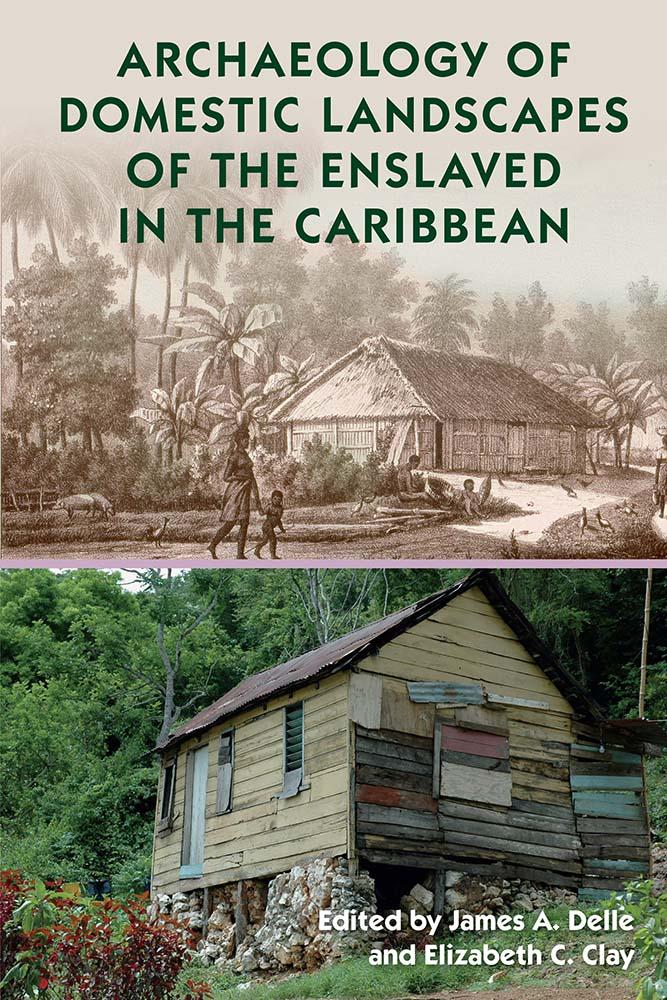
While previous research on household archaeology in the colonial Caribbean has drawn heavily on artifact analysis, this volume provides the first in-depth examination of the architecture of slave housing during this period. It examines the considerations that went into constructing and inhabiting living spaces for the enslaved and reveals the diversity of people and practices in these settings.
Contributors present case studies using written descriptions, period illustrations, and standing architecture, in addition to archaeological evidence to illustrate the wide variety of built environments for enslaved populations in places including Jamaica, the Bahamas, and the islands of the Lesser Antilles. They investigate how the enslaved defined their social positions and identities through house, yard, and garden space; they explore what daily life was like for slaves on military compounds; they compare the spatial arrangements of slave villages on plantations based on type of labor; and they show how the style of traditional laborer houses became a form of vernacular architecture still in use today. This volume expands our understanding of the wide range of enslaved experiences across British, French, Dutch, and Danish colonies.
Publication of the paperback edition made possible by a Sustaining the Humanities through the American Rescue Plan grant from the National Endowment for the Humanities.
Paga facilmente con carta, Klarna, Apple Pay o Google Pay. Non sei soddisfatto? Hai sempre 14 giorni per il rimborso. Leggi di più nei nostri termini. Per qualsiasi domanda, scrivici a hello@memmo.org.
Memmo rende lo studio più facile, ovunque tu sia nel mondo. Qui trovi i tuoi libri di testo e strumenti di studio intelligenti, tutto in un unico posto: riassunti, quiz, podcast e flashcard. E poi c'è Ted, il tuo compagno di studio che risponde a ogni tua domanda. Oltre 50.000 studenti studiano già qui: è stato creato per aiutarti a imparare più velocemente e a stressarti meno.