
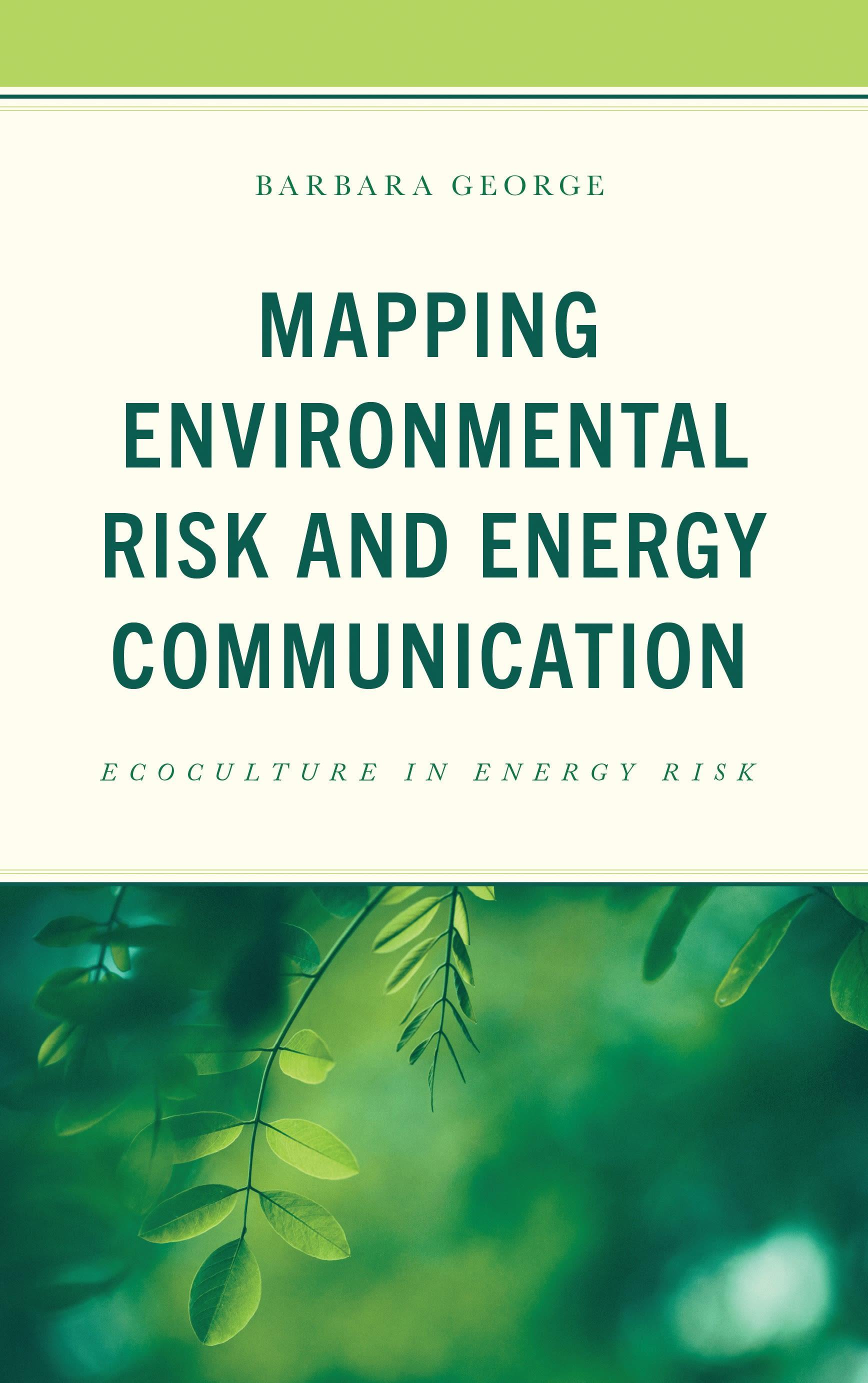
As the rise of the Anthropocene has led to serious deliberation about how energy is best produced and distributed in a world pressured by both the depletion of natural resources and global climate change, advances in technology have enabled new systems of extracting energy like High Volume Hydraulic Fracturing (HVHF), commonly known as fracking, that complicate these discussions. In this book, Barbara George explores how citizens impacted by HVHF tell stories about environmental risks, the conflict they experience in attempting to articulate these risks, and the hope for a post-carbon future in which HVHF is banned. Deep ideologies linked to history, coal, and industry permeate areas like the Rust Belt and Appalachia and, George argues, create “frames” that encourage and advocate for HVHF and make it difficult for publics in these locales to find a platform to tell their stories in a meaningful way. This book offers a case study of three communities in the United States – New York, Pennsylvania, and Ohio – and how each community frames HVHF environmental and health risks differently based on their differing sociocultural histories. Scholars of communication, environmental studies, history, and sociology may find this book of particular interest.
Paga facilmente con carta, Klarna, Apple Pay o Google Pay. Non sei soddisfatto? Hai sempre 14 giorni per il rimborso. Leggi di più nei nostri termini. Per qualsiasi domanda, scrivici a hello@memmo.org.
Memmo rende lo studio più facile, ovunque tu sia nel mondo. Qui trovi i tuoi libri di testo e strumenti di studio intelligenti, tutto in un unico posto: riassunti, quiz, podcast e flashcard. E poi c'è Ted, il tuo compagno di studio che risponde a ogni tua domanda. Oltre 50.000 studenti studiano già qui: è stato creato per aiutarti a imparare più velocemente e a stressarti meno.