
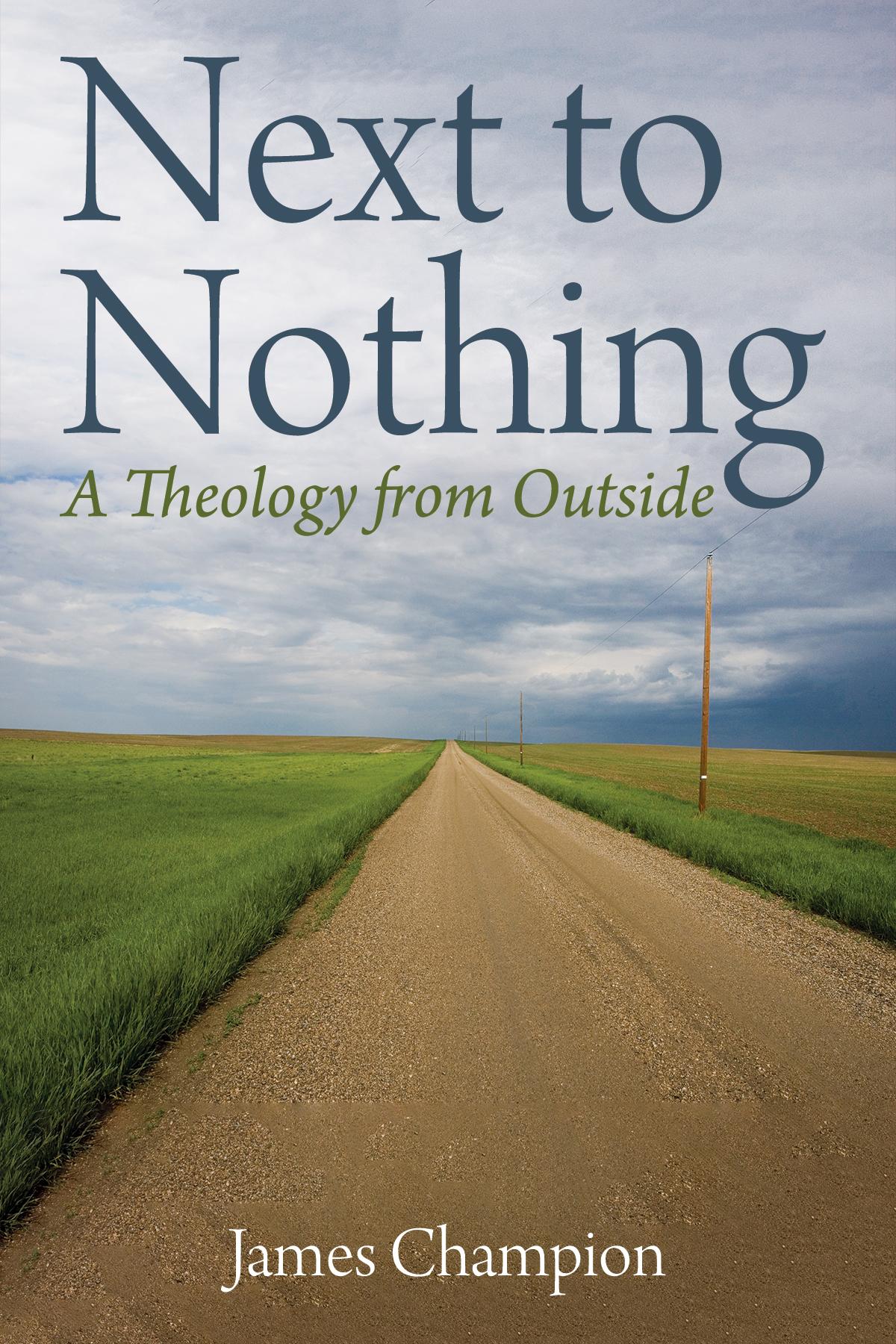
A lesser-known tradition in theology--the apophatic--has resurfaced in our time. Simply stated, this tradition has long recognized that discussion of what God is not is central to theological discernment. The apophatic emphasis on giving the negative its due has been rediscovered and enlarged today in several ways. Above all, this theological orientation warrants our radical questioning and honors the importance of doubt. It also leads us to greater awareness of our hidden fears of loss and of the costs of our unconscious flight from death. At the same time, it can open the door to new perceptions of what lay persons--as well as theologians such as Eckhart and Tillich--have understood as our deepest relationship to the God beyond God. This development is significant for those in progressive faith communities, for those who call themselves "spiritual but not religious," and those who assume that religion and spirituality have no place in their lives.
Paga facilmente con carta, Klarna, Apple Pay o Google Pay. Non sei soddisfatto? Hai sempre 14 giorni per il rimborso. Leggi di più nei nostri termini. Per qualsiasi domanda, scrivici a hello@memmo.org.
Memmo rende lo studio più facile, ovunque tu sia nel mondo. Qui trovi i tuoi libri di testo e strumenti di studio intelligenti, tutto in un unico posto: riassunti, quiz, podcast e flashcard. E poi c'è Ted, il tuo compagno di studio che risponde a ogni tua domanda. Oltre 50.000 studenti studiano già qui: è stato creato per aiutarti a imparare più velocemente e a stressarti meno.
Potrebbe interessarti anche
Acquista il libro0