
Striving for greater consumer product circularity
The United States generated approximately 292.4 million tons of municipal solid waste in 2018–an estimated 4.9 pounds of waste per person, per day. We manage MSW in several ways including recycling and composting, landfilling, and combustion, with expenses typically borne by municipalities. Increasingly, there's recognition and action toward a more circular, rather than linear, progression of products and materials. Instead of “trashing” resources, they should be recirculated, thus extending product lifecycles. Many product manufacturers are embracing product circularity, sharing responsibility for their products and packaging through Extended Producer Responsibility (EPR).
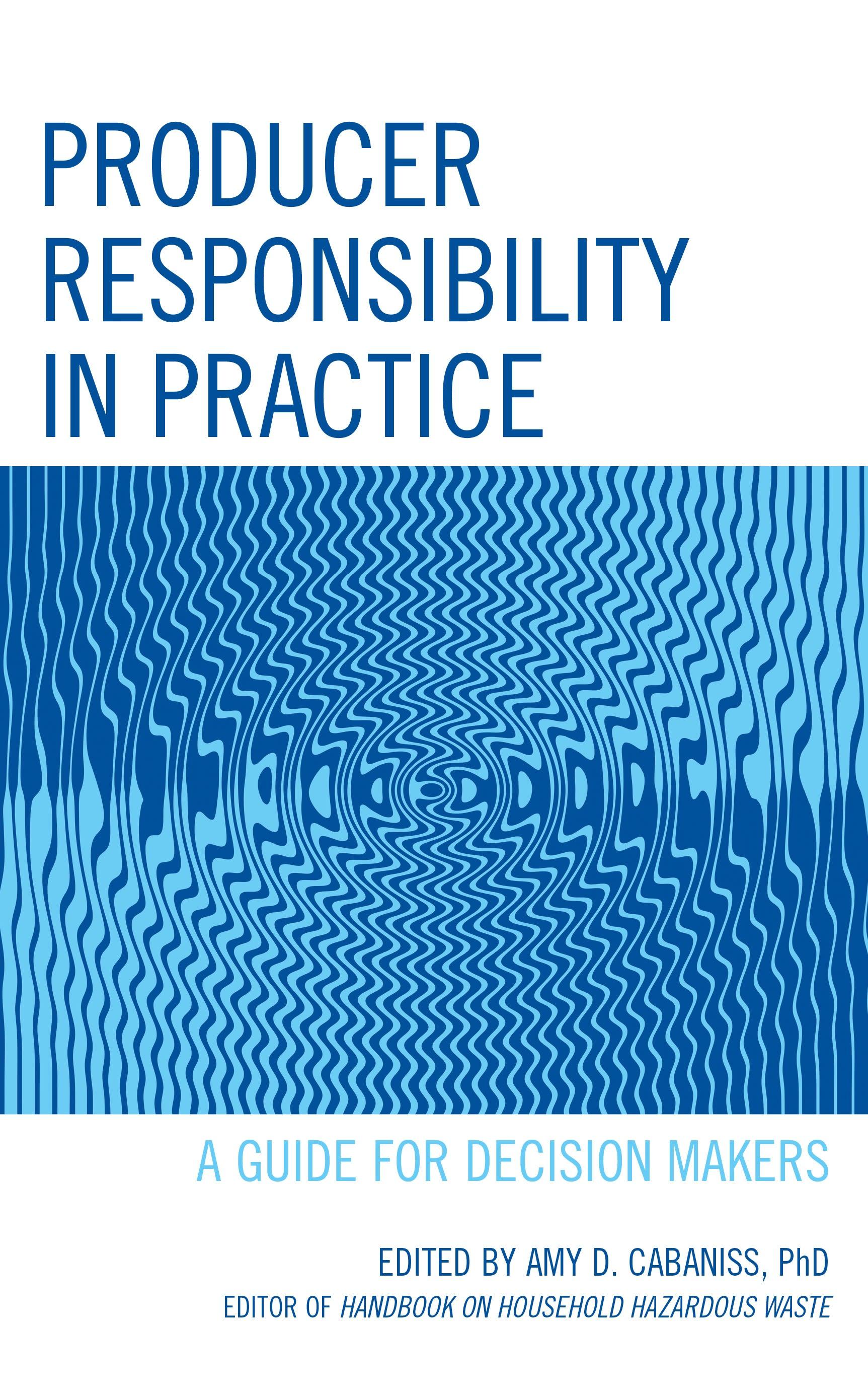
From the editor of Handbook of Household Hazardous Waste comes this collection of cases on product stewardship and EPR for paint, mattresses, and other products. Producer Responsibility in Practice shares examples of resource recovery programs and ways to effectively engage stakeholders, for example, in supporting legislation and employing community-based social marketing to motivate consumer behavior. Chapters are written by practitioners who share their perspectives to inform producers; officials and legislators; solid waste management and environmental professionals and students, as well as others interested in building EPR and fostering a more circular economy.
The United States generated approximately 292.4 million tons of municipal solid waste in 2018–an estimated 4.9 pounds of waste per person, per day. We manage MSW in several ways including recycling and composting, landfilling, and combustion, with expenses typically borne by municipalities. Increasingly, there's recognition and action toward a more circular, rather than linear, progression of products and materials. Instead of “trashing” resources, they should be recirculated, thus extending product lifecycles. Many product manufacturers are embracing product circularity, sharing responsibility for their products and packaging through Extended Producer Responsibility (EPR).
From the editor of Handbook of Household Hazardous Waste comes this collection of cases on product stewardship and EPR for paint, mattresses, and other products. Producer Responsibility in Practice shares examples of resource recovery programs and ways to effectively engage stakeholders, for example, in supporting legislation and employing community-based social marketing to motivate consumer behavior. Chapters are written by practitioners who share their perspectives to inform producers; officials and legislators; solid waste management and environmental professionals and students, as well as others interested in building EPR and fostering a more circular economy.
Paga facilmente con carta, Klarna, Apple Pay o Google Pay. Non sei soddisfatto? Hai sempre 14 giorni per il rimborso. Leggi di più nei nostri termini. Per qualsiasi domanda, scrivici a hello@memmo.org.
Memmo rende lo studio più facile, ovunque tu sia nel mondo. Qui trovi i tuoi libri di testo e strumenti di studio intelligenti, tutto in un unico posto: riassunti, quiz, podcast e flashcard. E poi c'è Ted, il tuo compagno di studio che risponde a ogni tua domanda. Oltre 50.000 studenti studiano già qui: è stato creato per aiutarti a imparare più velocemente e a stressarti meno.