
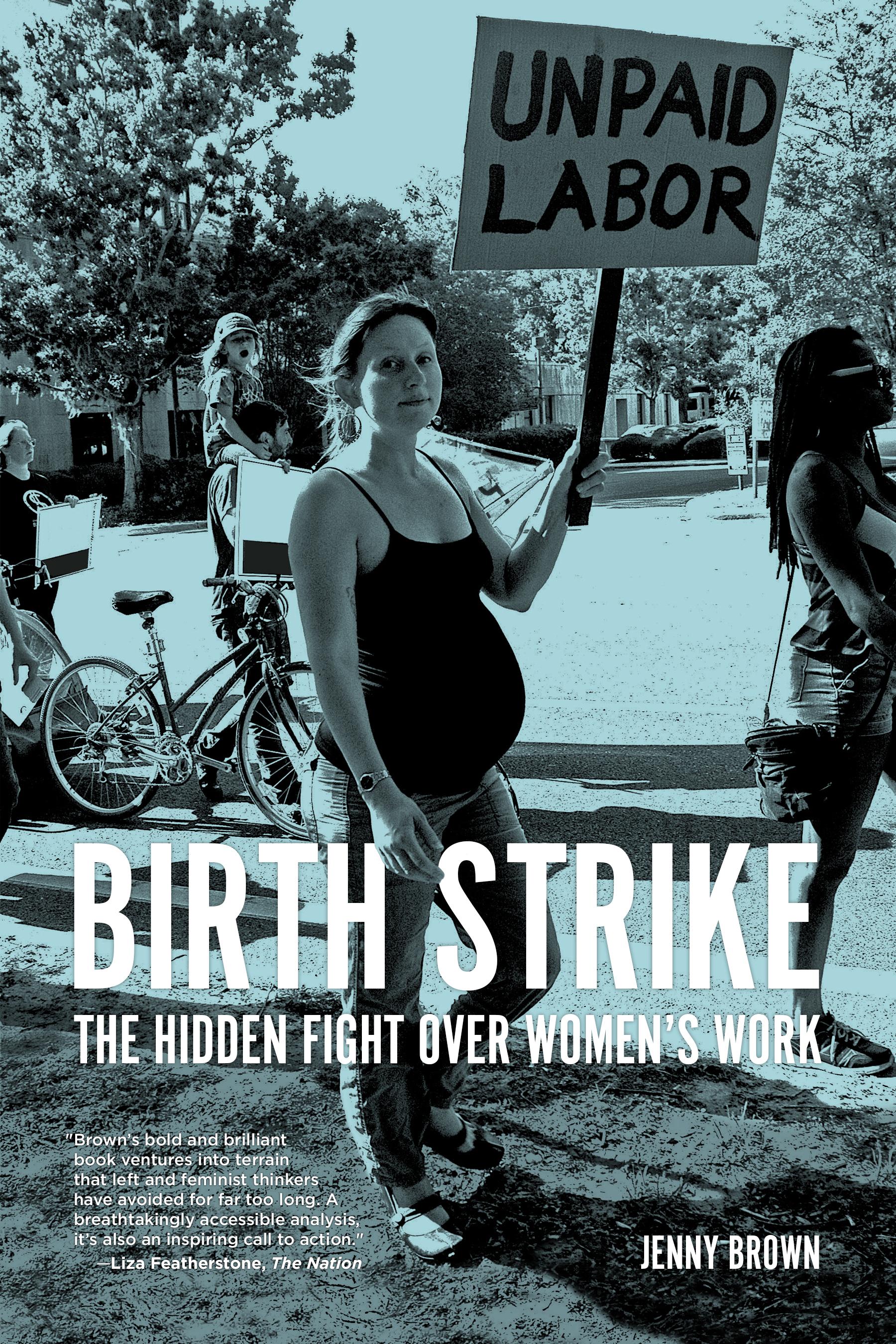
When House Speaker Paul Ryan urged U.S. women to have more children, and Ross Douthat requested “More babies, please,” in a New York Times column, they openly expressed what policymakers have been discussing for decades with greater discretion. Using technical language like “age structure,” “dependency ratio,” and “entitlement crisis,” establishment think tanks are raising the alarm: if U.S. women don’t get busy having more children, we’ll face an aging workforce, slack consumer demand, and a stagnant economy.
Feminists generally believe that a prudish religious bloc is responsible for the protracted fight over reproductive freedom in the U.S. and that politicians only attack abortion and birth control to appeal to those “values voters.” But hidden behind this conventional explanation is a dramatic fight over women’s reproductive labor. On one side, elite policymakers want an expanding workforce reared with a minimum of employer spending and a maximum of unpaid women’s work. On the other side, women are refusing to produce children at levels desired by economic planners. By some measures our birth rate is the lowest it has ever been. With little access to childcare, family leave, health care, and with insufficient male participation, U.S. women are conducting a spontaneous birth strike.
In other countries, panic over low birth rates has led governments to underwrite childbearing and childrearing with generous universal programs, but in the U.S., women have not yet realized the potential of our bargaining position. When we do, it will lead to new strategies for winning full access to abortion and birth control, and for improving the difficult working conditions U.S. parents now face when raising children.
Paga facilmente con carta, Klarna, Apple Pay o Google Pay. Non sei soddisfatto? Hai sempre 14 giorni per il rimborso. Leggi di più nei nostri termini. Per qualsiasi domanda, scrivici a hello@memmo.org.
Memmo rende lo studio più facile, ovunque tu sia nel mondo. Qui trovi i tuoi libri di testo e strumenti di studio intelligenti, tutto in un unico posto: riassunti, quiz, podcast e flashcard. E poi c'è Ted, il tuo compagno di studio che risponde a ogni tua domanda. Oltre 50.000 studenti studiano già qui: è stato creato per aiutarti a imparare più velocemente e a stressarti meno.