
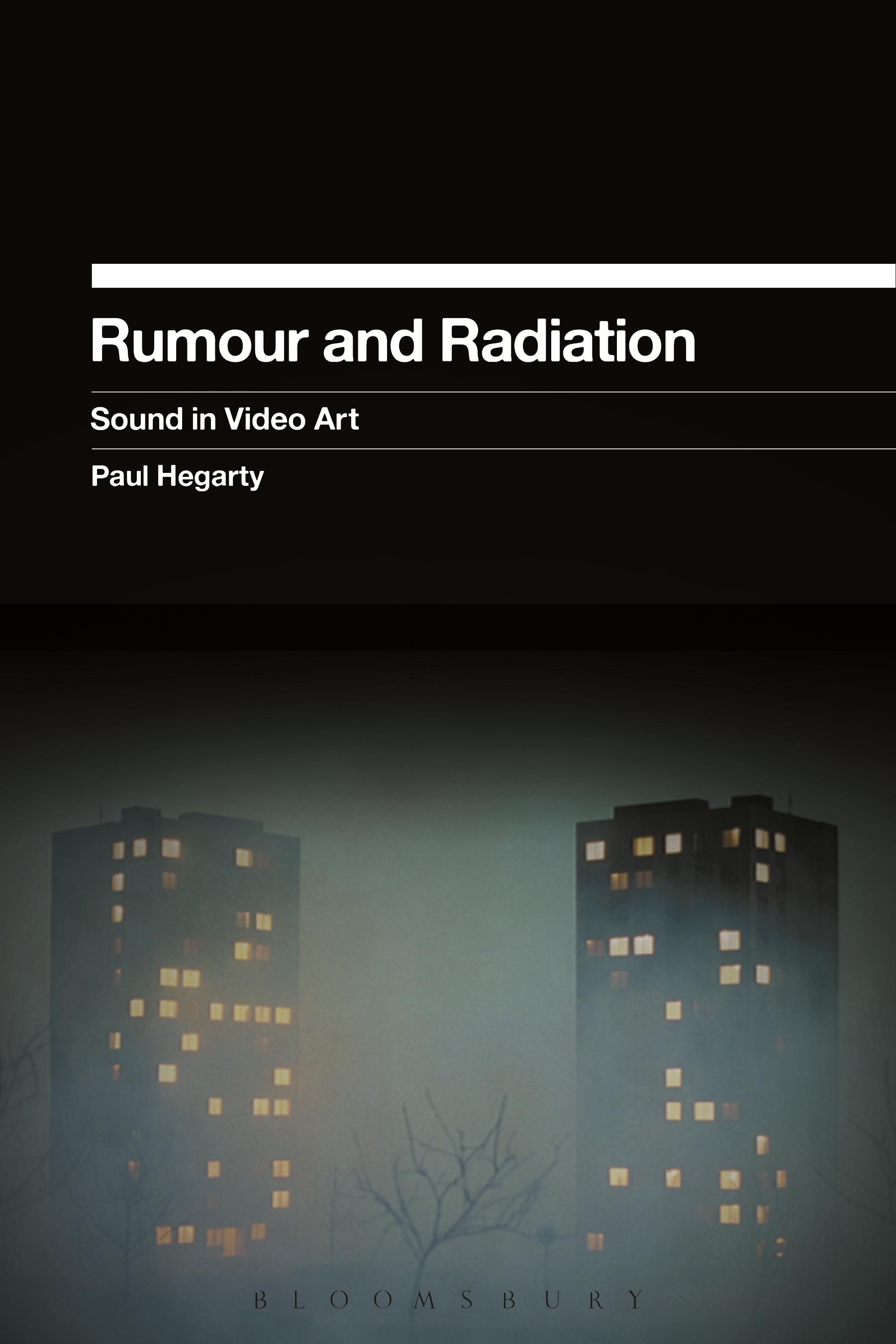
This is a book about video art, and about sound art.
The thesis is that sound first entered the gallery via the video art of the 1960s and in so doing, created an unexpected noise. The early part of the book looks at this formative period and the key figures within it - then jumps to the mid-1990s, when video art has become such a major part of contemporary art production, it no longer seems an autonomous form.
Paul Hegarty considers the work of a range of artists (including Steve McQueen, Christian Marclay, Ryan Trecartin, and Jane and Louise Wilson), proposing different theories according to the particular strategy of the artist under discussion. Connecting them all are the twinned ideas of intermedia and synaesthesia. Hegarty offers close readings of video works, as influenced by their sound, while also considering the institutional and material contexts. Applying contemporary sound theory to the world of video art, Paul Hegarty offers an entirely fresh perspective on the interactions between sound, sound art, and the visual.
The thesis is that sound first entered the gallery via the video art of the 1960s and in so doing, created an unexpected noise. The early part of the book looks at this formative period and the key figures within it - then jumps to the mid-1990s, when video art has become such a major part of contemporary art production, it no longer seems an autonomous form.
Paul Hegarty considers the work of a range of artists (including Steve McQueen, Christian Marclay, Ryan Trecartin, and Jane and Louise Wilson), proposing different theories according to the particular strategy of the artist under discussion. Connecting them all are the twinned ideas of intermedia and synaesthesia. Hegarty offers close readings of video works, as influenced by their sound, while also considering the institutional and material contexts. Applying contemporary sound theory to the world of video art, Paul Hegarty offers an entirely fresh perspective on the interactions between sound, sound art, and the visual.
Paga facilmente con carta, Klarna, Apple Pay o Google Pay. Non sei soddisfatto? Hai sempre 14 giorni per il rimborso. Leggi di più nei nostri termini. Per qualsiasi domanda, scrivici a hello@memmo.org.
Memmo rende lo studio più facile, ovunque tu sia nel mondo. Qui trovi i tuoi libri di testo e strumenti di studio intelligenti, tutto in un unico posto: riassunti, quiz, podcast e flashcard. E poi c'è Ted, il tuo compagno di studio che risponde a ogni tua domanda. Oltre 50.000 studenti studiano già qui: è stato creato per aiutarti a imparare più velocemente e a stressarti meno.