
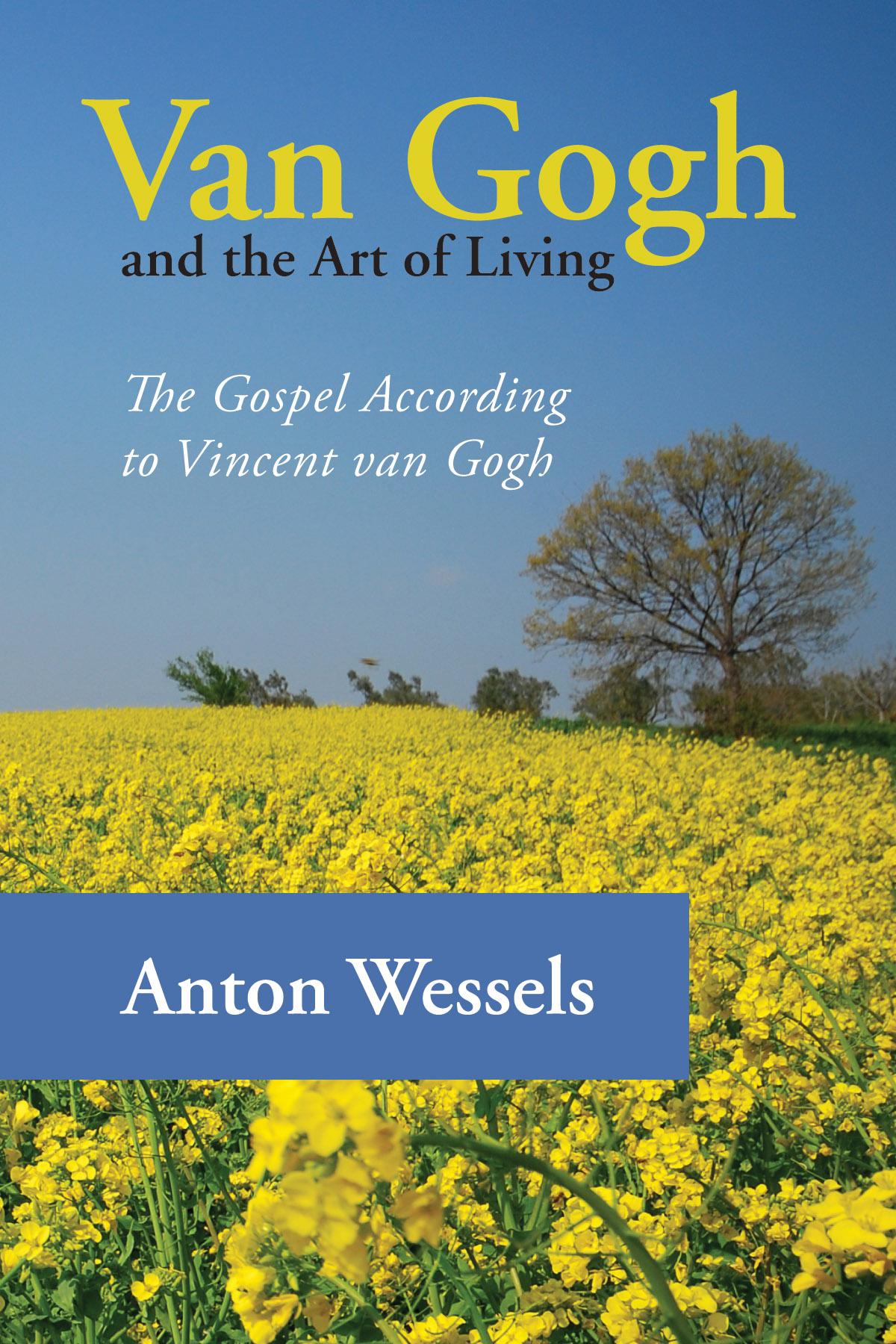
Vincent van Gogh believed that one had to learn to read, just as one had to learn to see and learn to live. Van Gogh conveyed a message in his work about the path that he himself followed that was "more true to life," the path that human beings walk in their turbulent existence, the pilgrimage along the various stages of the road of life. He does not speak about the meaning of life but about the true art of living. It is fascinating to see and read the moving way in which he wrestled with the deep human questions of the whence, why, and whither of life. He did not see himself doing this on his own but acknowledged kindred spirits and allies in preachers, preacher-poets, painters, writers, and other artists who also attempted to find their own way through life in a similar fashion.
Van Gogh was aware, like no other, of his duty and task in life: his vocation as human being and artist. That means that he was well acquainted with loneliness, fear, and despair, including suicidal tendencies. Nevertheless, he understood himself as cut out for faith, rather than resignation. Human beings follow their life's path, through storms and dangers, on land and on sea, where the "star of the sea" (the Virgin Mary) helps them and provides light. Van Gogh rejected the unhealthy, sickly forms of religion, electing instead to embrace authentic forms of piety.
Paga facilmente con carta, Klarna, Apple Pay o Google Pay. Non sei soddisfatto? Hai sempre 14 giorni per il rimborso. Leggi di più nei nostri termini. Per qualsiasi domanda, scrivici a hello@memmo.org.
Memmo rende lo studio più facile, ovunque tu sia nel mondo. Qui trovi i tuoi libri di testo e strumenti di studio intelligenti, tutto in un unico posto: riassunti, quiz, podcast e flashcard. E poi c'è Ted, il tuo compagno di studio che risponde a ogni tua domanda. Oltre 50.000 studenti studiano già qui: è stato creato per aiutarti a imparare più velocemente e a stressarti meno.
Potrebbe interessarti anche
Acquista il libro0