
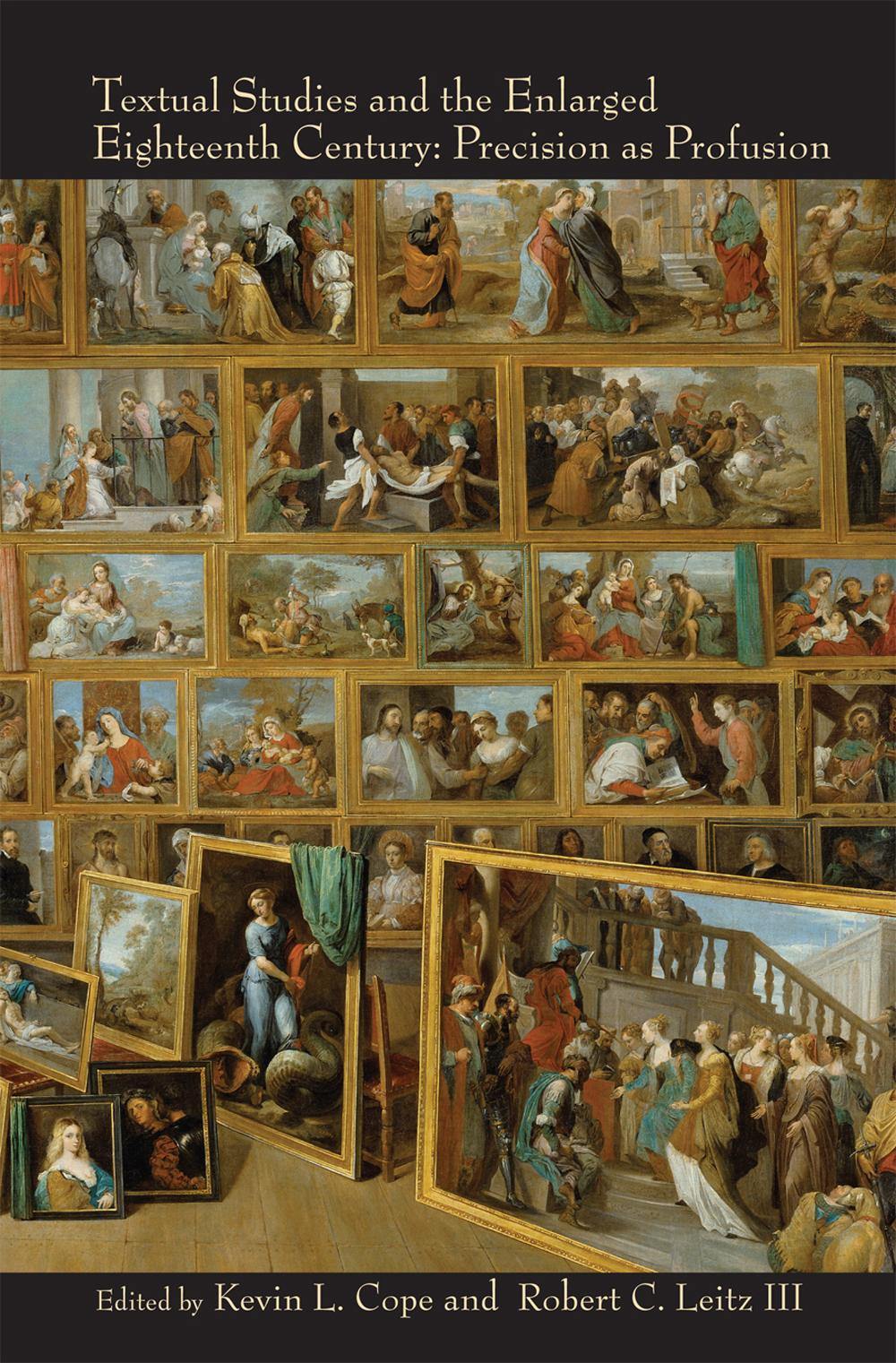
Scholars, librarians, students, and database vendors have all applauded the increase in access to rare, old, venerated, and obscure texts that has resulted from the rise of electronic resources. Almost everyone associated with any branch of cultural history has heard the claims about unlimited research opportunity and the rediscovery of overlooked sources. But are these claims true? Have high-tech systems and methods enhanced or inhibited scholarship? Nowhere is this question more pressing than in the area of eighteenth-century studies, where so much of the subject matter relates to the first wave of informational abundance: to that great period of profuse printing during which presses produced a mass market full of diverse readers. Textual Studies and the Enlarged Eighteenth Century probes the assumptions about the advanced tools that may be replicating this period of profusion among contemporary scholars. How much access to “period” information do current cost and present institutional support really allow? Who is accessing what—and who is not? Which authors and which topics get lost in the processor-driven shuffle? How do electronic tools bias scholarship? What are the disadvantages of databases? These and many more questions receive a brisk and robust review in this first critique of new-wave research. A variety of acclaimed scholars from an interdisciplinary array of specialties look at topics ranging from legacy bibliographical projects to standards for online editions to para-textual materials to the appropriateness of importing electronic research techniques into the study of a low-tech period and on to the transatlantic exchange of information in both the early modern and the present periods. Scholars in all fields will benefit from this vigorous analysis of the assumptions underlying the tools and the methods of twenty-first century humanities scholarship.
Paga facilmente con carta, Klarna, Apple Pay o Google Pay. Non sei soddisfatto? Hai sempre 14 giorni per il rimborso. Leggi di più nei nostri termini. Per qualsiasi domanda, scrivici a hello@memmo.org.
Memmo rende lo studio più facile, ovunque tu sia nel mondo. Qui trovi i tuoi libri di testo e strumenti di studio intelligenti, tutto in un unico posto: riassunti, quiz, podcast e flashcard. E poi c'è Ted, il tuo compagno di studio che risponde a ogni tua domanda. Oltre 50.000 studenti studiano già qui: è stato creato per aiutarti a imparare più velocemente e a stressarti meno.