
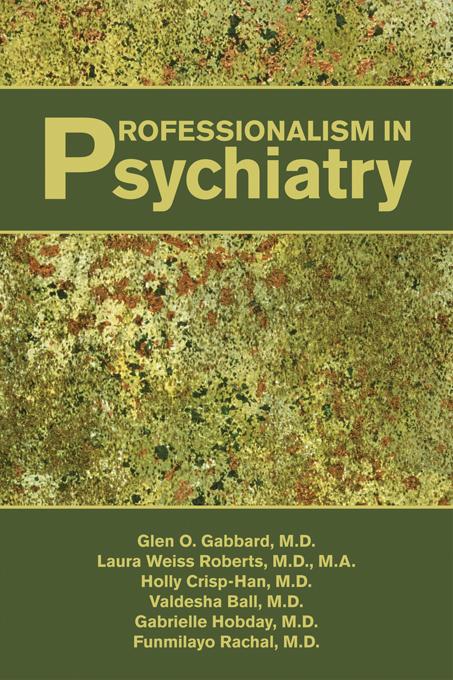
Physicians and psychiatrists typically see themselves as true professionals. But in the past, some displayed behavior far beneath the confines of professionalism, including exploding at nurses, not returning calls, or conducting insensitive interactions with patients, that was usually tolerated and seldom disciplined. Today, the rise of professionalism in medicine in general and psychiatry in particular has prompted a quiet revolution in how doctors are trained and how they are expected to behave in the workplace. The Accreditation Council for Graduate Medical Education (ACGME) has now advanced professionalism to be one of the core competencies all emerging practitioners must have.
While almost all physicians believe in professionalism, the movement toward making it a core competency has challenged doctors everywhere to accept the practice of monitoring, observing and assessing what is not always welcome in a field where autonomy is so highly valued. In Professionalism in Psychiatry, the authors identify and expand on professional behaviors, such as being a good team player, being accountable, pursuing improvement in an ongoing way, and behaving compassionately toward patients and families. The importance of treating all co-workers with respect and of being attuned to the management of healthcare resources in a way that reflects fairness and integrity is also thoroughly reviewed. Important features of this book are: Tailoring professionalism principles from medicine to the unique features of psychiatry in order to enhance educators' teaching and improve the behaviors of psychiatrists and residents in the work setting. Development of guidelines for professionalism in cyberspace to provide psychiatrists with an ethical framework for dealing with patients in the online realm. Discussion of the ethical principles that apply when academic departments approach donors. Focus on cultural competency and empathy in an effort to improve patient care through greater understanding and sensitivity to ethnic, racial, gender and sexual orientation issues encountered in clinical practice. Use of numerous clinical examples to articulate the new professionalism in psychiatry, which illustrates the importance of going beyond "one size fits all" thinking.
Professionalism in Psychiatry is an important contribution toward beginning to characterize the ever-evolving professional behaviors and clinical strategies of the contemporary psychiatrist and place them in a systematic framework.
Paga facilmente con carta, Klarna, Apple Pay o Google Pay. Non sei soddisfatto? Hai sempre 14 giorni per il rimborso. Leggi di più nei nostri termini. Per qualsiasi domanda, scrivici a hello@memmo.org.
Memmo rende lo studio più facile, ovunque tu sia nel mondo. Qui trovi i tuoi libri di testo e strumenti di studio intelligenti, tutto in un unico posto: riassunti, quiz, podcast e flashcard. E poi c'è Ted, il tuo compagno di studio che risponde a ogni tua domanda. Oltre 50.000 studenti studiano già qui: è stato creato per aiutarti a imparare più velocemente e a stressarti meno.