
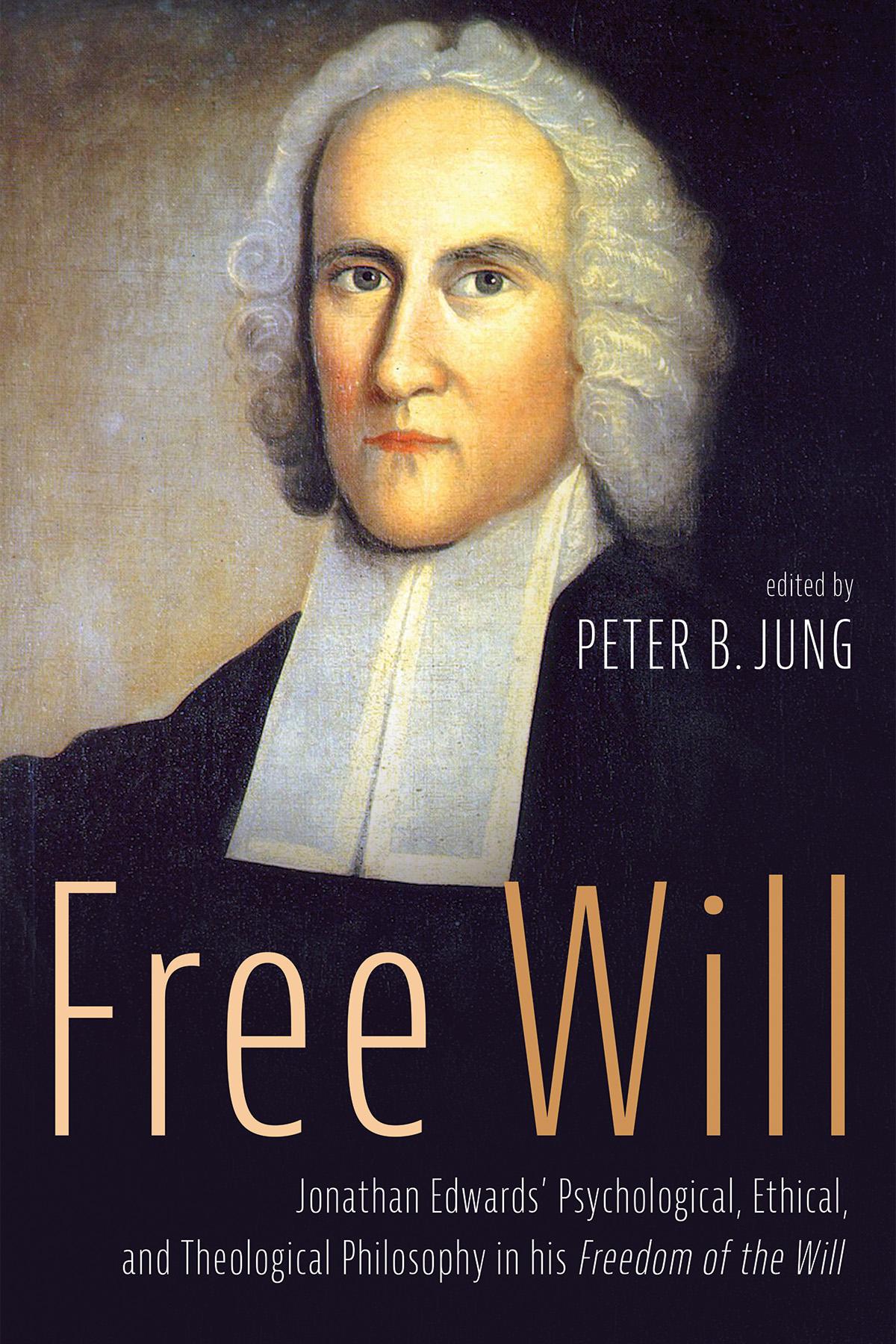
Free Will, also known as Freedom of the Will, is appraised as the one of the greatest works ever produced in America. The mid-eighteenth-century New England philosophical theologian Jonathan Edwards (1703-58) defines the will by importing terms from John Locke. Edwards states the Arminian nature of free will, suspects the need for such free will, and finally defends Calvinist free will and objects to the Arminian one.
In his argument, he chooses three British antagonists: Daniel Whitby, Thomas Chubb, and Isaac Watts. These antagonists insist that the self-determining will is necessary for us to be morally accountable. Edwards disputes their objections that God's determination is contradictory to the liberty of the human will. He then goes to argue what kind of freedom of the will is necessary for the former and latter to be compatible. Edwards's psychological, moral, and theological philosophy is displayed. In addition, readers can learn how our will chooses something pleasant by following the dictate of understanding, while the author demonstrates the natures of New England Arminianism and Calvinism.
Paga facilmente con carta, Klarna, Apple Pay o Google Pay. Non sei soddisfatto? Hai sempre 14 giorni per il rimborso. Leggi di più nei nostri termini. Per qualsiasi domanda, scrivici a hello@memmo.org.
Memmo rende lo studio più facile, ovunque tu sia nel mondo. Qui trovi i tuoi libri di testo e strumenti di studio intelligenti, tutto in un unico posto: riassunti, quiz, podcast e flashcard. E poi c'è Ted, il tuo compagno di studio che risponde a ogni tua domanda. Oltre 50.000 studenti studiano già qui: è stato creato per aiutarti a imparare più velocemente e a stressarti meno.
Potrebbe interessarti anche
Acquista il libro0