
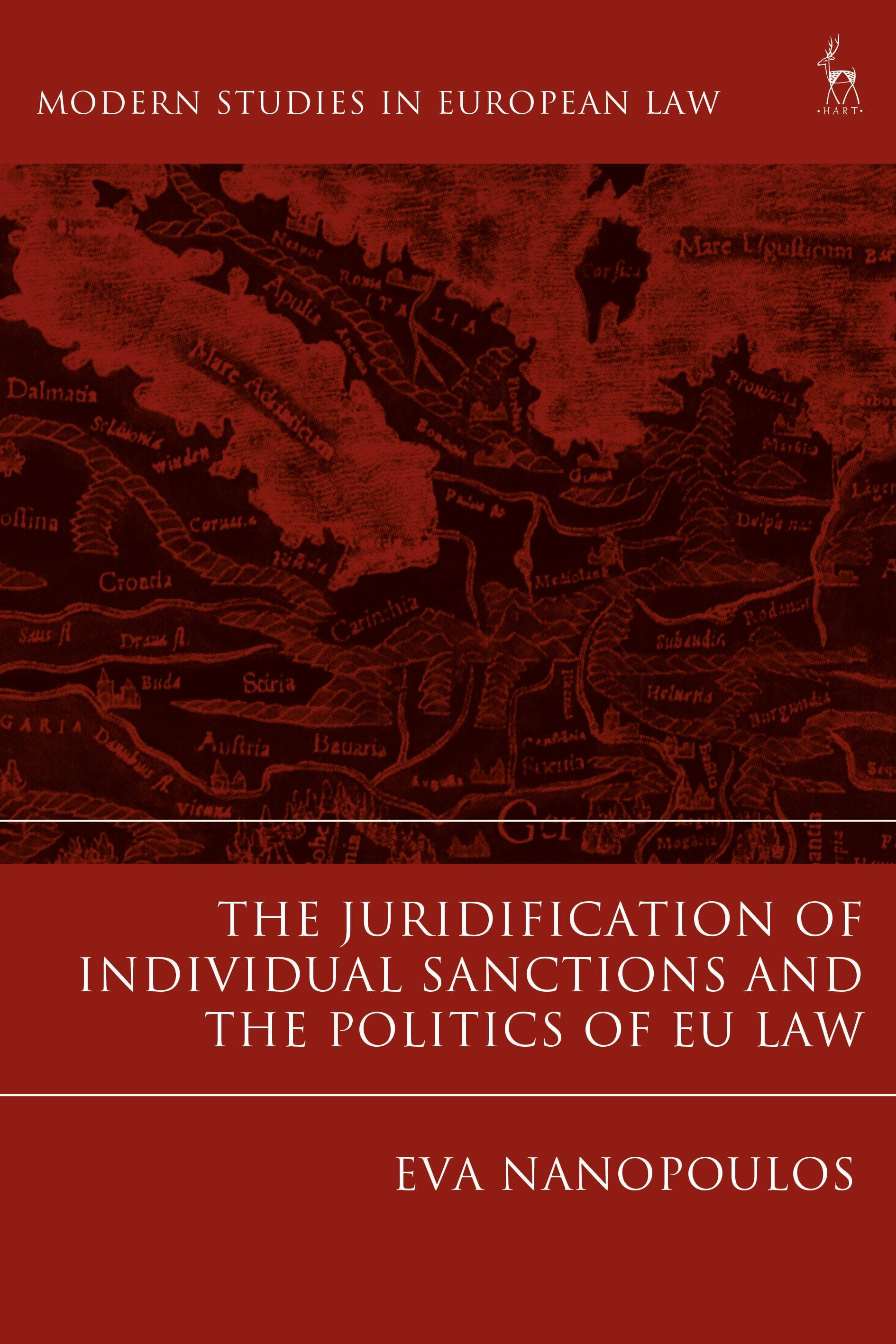
In the early 1990s the then European Community imposed for the first time a set of economic restrictions against a specific entity: the National Union for the Total Independence of Angola. Since then, the individualisation of sanctions has become entrenched, these so-called 'smart' sanctions have proliferated, their targets and scope of application have significantly expanded, and they operate in an increasingly juridified environment. This book aims to shed light on the constitutive dynamics and causes of these developments, with a focus on the juridification of individual sanctions at the European level. To this end it first revisits the phenomenon of individualisation – moving beyond the conventional narrative that individual sanctions emerged because of humanitarian and effectiveness concerns – and situates the 'smarting' of sanctions within the context of broader structural transformations characterised by the consolidation of the global neoliberal order. Second, the book explores why the role of law has been so pronounced in the European context by unearthing the connections between EU law and capitalist order building.
Paga facilmente con carta, Klarna, Apple Pay o Google Pay. Non sei soddisfatto? Hai sempre 14 giorni per il rimborso. Leggi di più nei nostri termini. Per qualsiasi domanda, scrivici a hello@memmo.org.
Memmo rende lo studio più facile, ovunque tu sia nel mondo. Qui trovi i tuoi libri di testo e strumenti di studio intelligenti, tutto in un unico posto: riassunti, quiz, podcast e flashcard. E poi c'è Ted, il tuo compagno di studio che risponde a ogni tua domanda. Oltre 50.000 studenti studiano già qui: è stato creato per aiutarti a imparare più velocemente e a stressarti meno.