
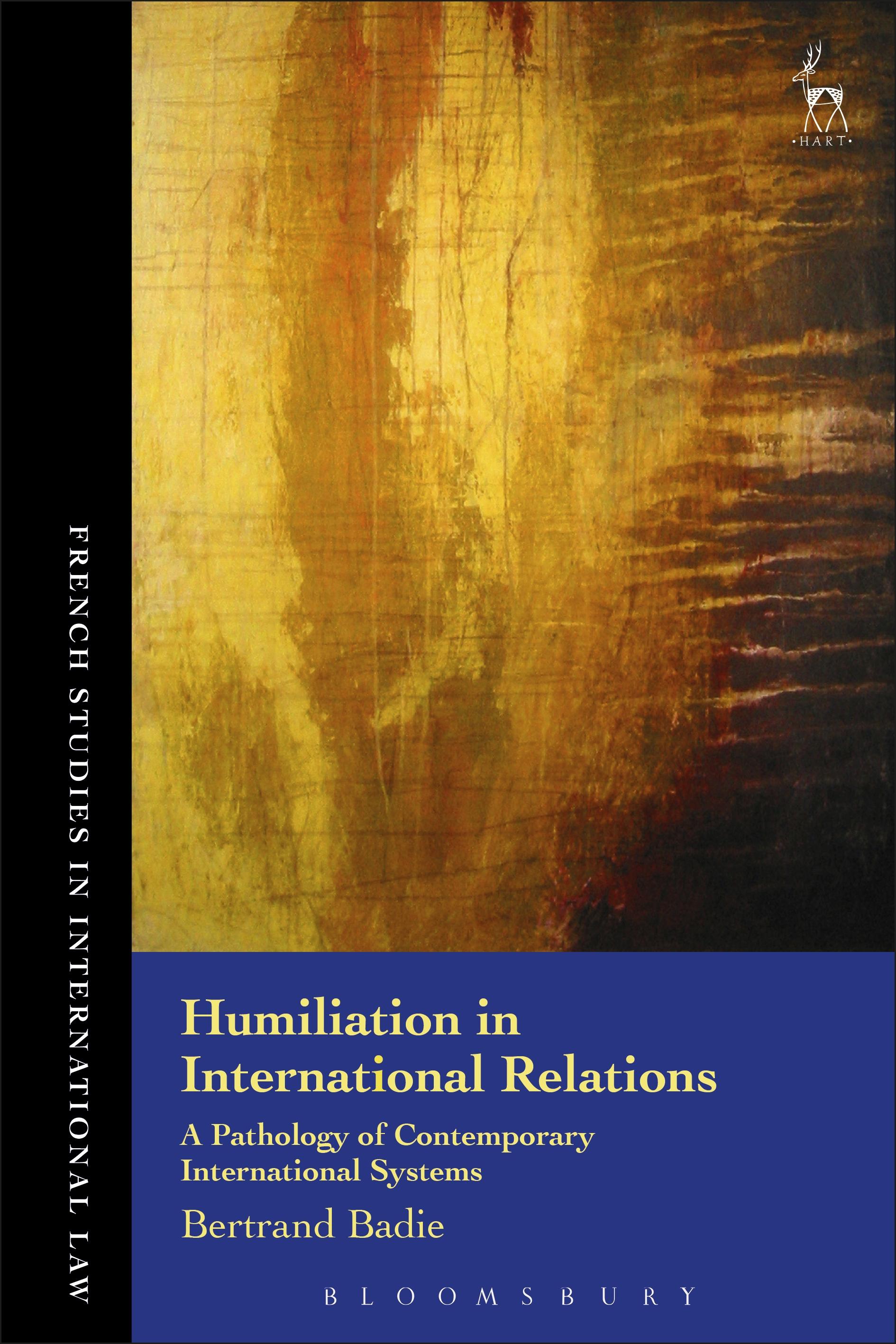
In international relations (IR), some states often deny the legal status of others, stigmatising their practices or even their culture. Such acts of deliberate humiliation at the diplomatic level are common occurrences in modern diplomacy. In the period following the breakup of the famous 'Concert of Europe', many kinds of club-based diplomacy have been tried, all falling short of anything like inclusive multilateralism. Examples of this effort include the G7, G8, G20 and even the P5. Such 'contact groups' are put forward as if they were actual ruling institutions, endowed with the power to exclude and marginalise.
Today, the effect of such acts of humiliation is to reveal the international system's limits and its lack of diplomatic effectiveness. The use of humiliation as a regular diplomatic action steadily erodes the power of the international system. These actions appear to be the result of a botched mixture of a colonial past, a failed decolonisation, a mistaken vision of globalisation and a very dangerous post-bipolar reconstruction.
Although this book primarily takes a social psychology approach to IR, it also mobilizes the resources of the French sociological tradition, mainly inspired by Emile Durkheim. It is translated from Le temps des humiliés. Pathologie des relations internationales (Paris, Odile Jacob, 2014).
Today, the effect of such acts of humiliation is to reveal the international system's limits and its lack of diplomatic effectiveness. The use of humiliation as a regular diplomatic action steadily erodes the power of the international system. These actions appear to be the result of a botched mixture of a colonial past, a failed decolonisation, a mistaken vision of globalisation and a very dangerous post-bipolar reconstruction.
Although this book primarily takes a social psychology approach to IR, it also mobilizes the resources of the French sociological tradition, mainly inspired by Emile Durkheim. It is translated from Le temps des humiliés. Pathologie des relations internationales (Paris, Odile Jacob, 2014).
Paga facilmente con carta, Klarna, Apple Pay o Google Pay. Non sei soddisfatto? Hai sempre 14 giorni per il rimborso. Leggi di più nei nostri termini. Per qualsiasi domanda, scrivici a hello@memmo.org.
Memmo rende lo studio più facile, ovunque tu sia nel mondo. Qui trovi i tuoi libri di testo e strumenti di studio intelligenti, tutto in un unico posto: riassunti, quiz, podcast e flashcard. E poi c'è Ted, il tuo compagno di studio che risponde a ogni tua domanda. Oltre 50.000 studenti studiano già qui: è stato creato per aiutarti a imparare più velocemente e a stressarti meno.