
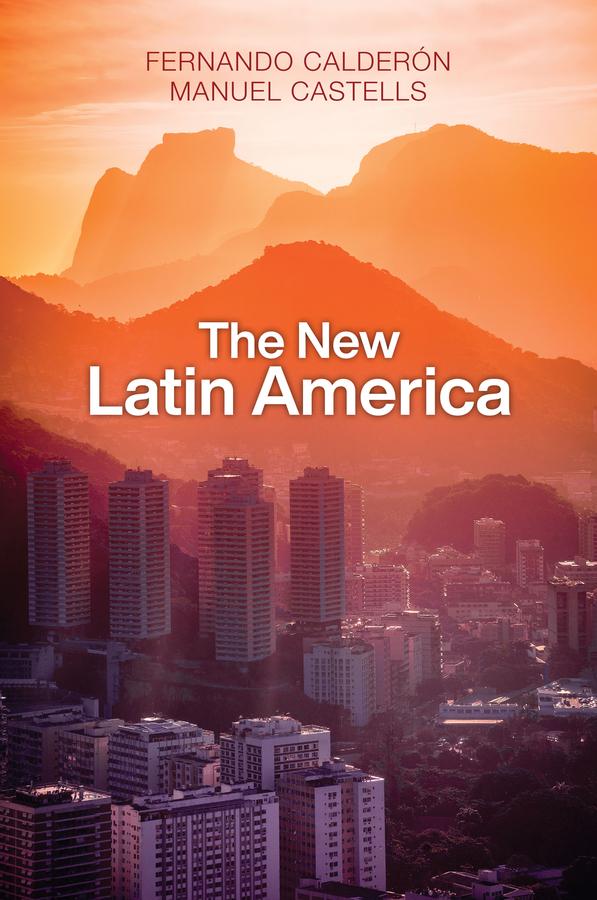
Latin America has experienced a profound transformation in the first two decades of the 21st century: it has been fully incorporated into the global economy, while excluding regions and populations devalued by the logic of capitalism. Technological modernization has gone hand-in-hand with the reshaping of old identities and the emergence of new ones.
The transformation of Latin America has been shaped by social movements and political conflicts. The neoliberal model that dominated the first stage of the transformation induced widespread inequality and poverty, and triggered social explosions that led to its own collapse. A new model, neo-developmentalism, emerged from these crises as national populist movements were elected to government in several countries. The more the state intervened in the economy, the more it became vulnerable to corruption, until the rampant criminal economy came to penetrate state institutions. Upper middle classes defending their privileges and citizens indignant because of corruption of the political elites revolted against the new regimes, undermining the model of neo-developmentalism. In the midst of political disaffection and public despair, new social movements, women, youth, indigenous people, workers, peasants, opened up avenues of hope against the background of darkness invading the continent.
This book, written by two leading scholars of Latin America, provides a comprehensive and up-do-date account of the new Latin America that is in the process of taking shape today. It will be an indispensable text for students and scholars in Latin American Studies, sociology, politics and media and communication studies, and anyone interested in Latin America today.
The transformation of Latin America has been shaped by social movements and political conflicts. The neoliberal model that dominated the first stage of the transformation induced widespread inequality and poverty, and triggered social explosions that led to its own collapse. A new model, neo-developmentalism, emerged from these crises as national populist movements were elected to government in several countries. The more the state intervened in the economy, the more it became vulnerable to corruption, until the rampant criminal economy came to penetrate state institutions. Upper middle classes defending their privileges and citizens indignant because of corruption of the political elites revolted against the new regimes, undermining the model of neo-developmentalism. In the midst of political disaffection and public despair, new social movements, women, youth, indigenous people, workers, peasants, opened up avenues of hope against the background of darkness invading the continent.
This book, written by two leading scholars of Latin America, provides a comprehensive and up-do-date account of the new Latin America that is in the process of taking shape today. It will be an indispensable text for students and scholars in Latin American Studies, sociology, politics and media and communication studies, and anyone interested in Latin America today.
Paga facilmente con carta, Klarna, Apple Pay o Google Pay. Non sei soddisfatto? Hai sempre 14 giorni per il rimborso. Leggi di più nei nostri termini. Per qualsiasi domanda, scrivici a hello@memmo.org.
Memmo rende lo studio più facile, ovunque tu sia nel mondo. Qui trovi i tuoi libri di testo e strumenti di studio intelligenti, tutto in un unico posto: riassunti, quiz, podcast e flashcard. E poi c'è Ted, il tuo compagno di studio che risponde a ogni tua domanda. Oltre 50.000 studenti studiano già qui: è stato creato per aiutarti a imparare più velocemente e a stressarti meno.
Potrebbe interessarti anche
Acquista il libro0