
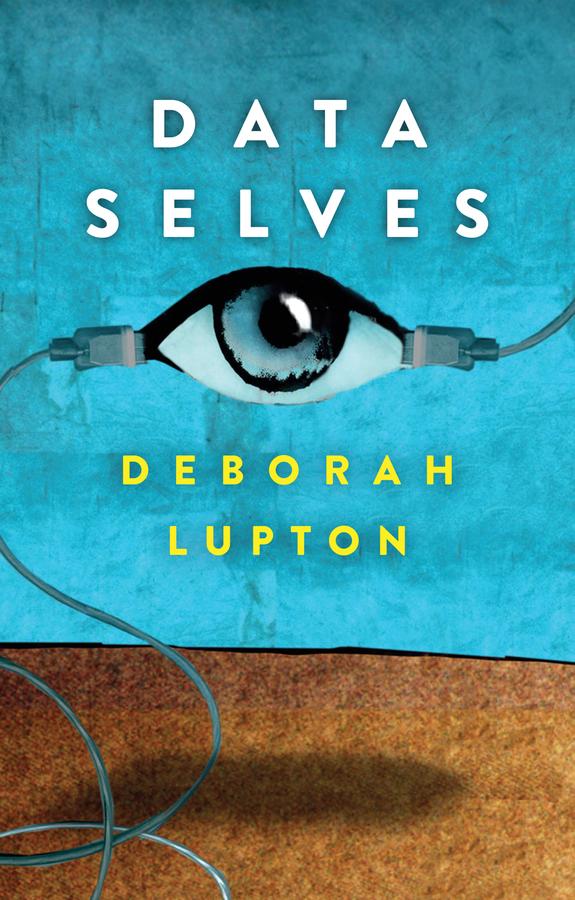
As people use self-tracking devices and other digital technologies, they generate increasing quantities of personal information online. These data have many benefits, but they can also be accessed and exploited by third parties.
Using rich examples from popular culture and empirical research, Deborah Lupton develops a fresh and intriguing perspective on how people make sense of and use their personal data, and what they know about others who use this information. Drawing on feminist new materialism theory and the anthropology of material culture, she acknowledges the importance of paying attention to embodied experiences, as well as discourses and ideas, in identifying the ways in which people make and enact data, and data make and enact people. Arguing that personal data are more-than-human phenomena, invested with diverse forms of vitalities, Lupton reveals significant implications for data futures, politics and ethics.
Lupton's novel approach to understanding personal data will be of interest to students and scholars in media and cultural studies, sociology, anthropology, surveillance studies, information studies, cultural geography and science and technology studies.
Paga facilmente con carta, Klarna, Apple Pay o Google Pay. Non sei soddisfatto? Hai sempre 14 giorni per il rimborso. Leggi di più nei nostri termini. Per qualsiasi domanda, scrivici a hello@memmo.org.
Memmo rende lo studio più facile, ovunque tu sia nel mondo. Qui trovi i tuoi libri di testo e strumenti di studio intelligenti, tutto in un unico posto: riassunti, quiz, podcast e flashcard. E poi c'è Ted, il tuo compagno di studio che risponde a ogni tua domanda. Oltre 50.000 studenti studiano già qui: è stato creato per aiutarti a imparare più velocemente e a stressarti meno.