
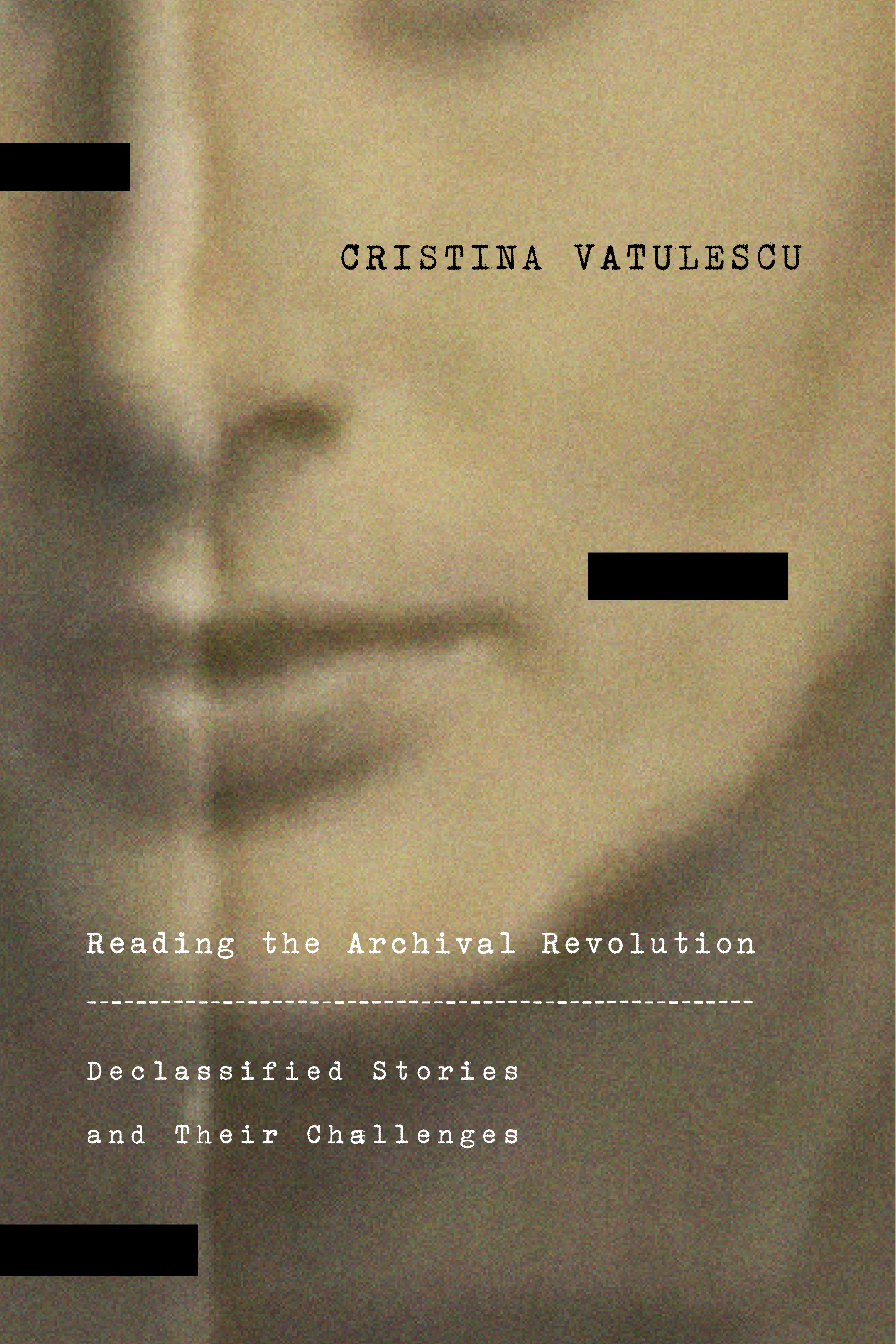
The opening of classified documents from the Soviet era has been dubbed the "archival revolution" due to its unprecedented scale, drama, and impact. With a storyteller's sensibility, Cristina Vatulescu identifies and takes on the main challenges of reading in these archives.
This transnational study foregrounds peripheral Eastern European perspectives and the ethical stakes of archival research. In so doing, it contributes to the urgent task of decolonizing the field of Eastern European and Russian studies at this critical moment in the region's history. Drawing on diverse work ranging from Mikhail Bakhtin to Tina Campt, the book enters into broader conversations about the limits and potential of reading documents, fictions, and one another. Pairing one key reading challenge with a particularly arresting story, Vatulescu in turn investigates Michel Foucault's traces in Polish secret police archives; tackles the files, reenactment film, and photo albums of a socialist bank heist; pits autofiction against disinformation in the secret police files of Nobel Prize laureate Herta Müller; and takes on the digital remediation of Soviet-era archives by analyzing contested translations of the Iron Curtain trope from its 1946 origins to the current war in Ukraine. The result is a bona fide reader's guide to Eastern Europe's ongoing archival revolution.
Paga facilmente con carta, Klarna, Apple Pay o Google Pay. Non sei soddisfatto? Hai sempre 14 giorni per il rimborso. Leggi di più nei nostri termini. Per qualsiasi domanda, scrivici a hello@memmo.org.
Memmo rende lo studio più facile, ovunque tu sia nel mondo. Qui trovi i tuoi libri di testo e strumenti di studio intelligenti, tutto in un unico posto: riassunti, quiz, podcast e flashcard. E poi c'è Ted, il tuo compagno di studio che risponde a ogni tua domanda. Oltre 50.000 studenti studiano già qui: è stato creato per aiutarti a imparare più velocemente e a stressarti meno.