
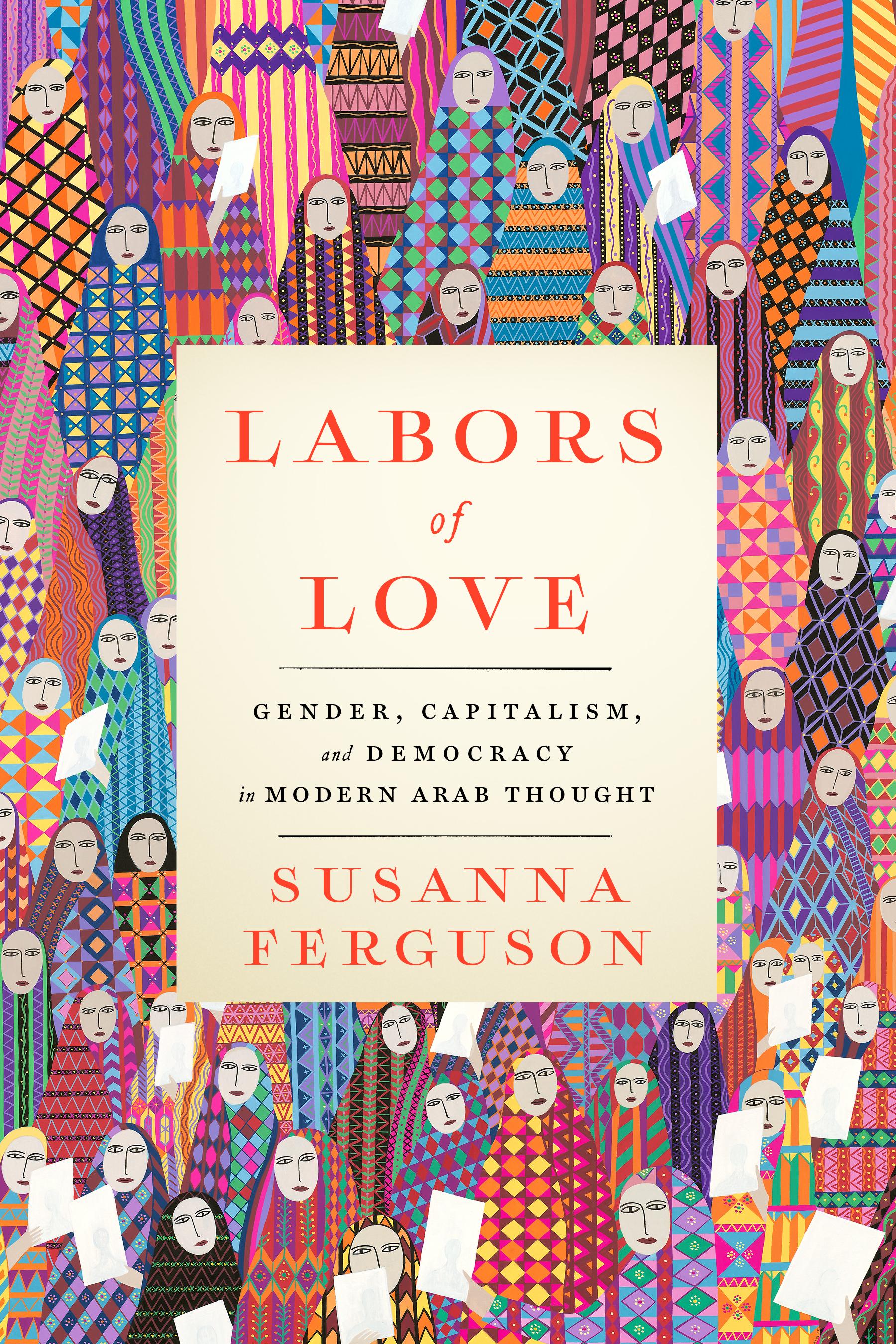
How to raise a child became a central concern of intellectual debate from Cairo to Beirut over the course of the late nineteenth and early twentieth centuries. Intimately linked with discussions around capitalism and democracy, considerations about women, gender, and childrearing emerged as essential to modern social theory. Arab writers, particularly women, made sex, the body, and women's ethical labor central to fending off European imperial advances, instituting representative politics, and managing social order.
Labors of Love traces the political power of motherhood and childrearing in Arabic thought. Susanna Ferguson reveals how debates around raising children became foundational to feminist, Islamist, and nationalist politics alike—opening up conversations about civilization, society, freedom, temporality, labor, and democracy. While these debates led to expansions in girls' education and women writers' authority, they also attached the fate of nations to women's unwaged labor in the home. Ferguson thus reveals why women and the family have been stumbling blocks for representative regimes around the world. She shows how Arab women's writing speaks to global questions—the devaluation of social reproduction under capitalism, the stubborn maleness of the liberal subject, and why the naturalization of embodied, binary gender difference has proven so difficult to overcome.
Paga facilmente con carta, Klarna, Apple Pay o Google Pay. Non sei soddisfatto? Hai sempre 14 giorni per il rimborso. Leggi di più nei nostri termini. Per qualsiasi domanda, scrivici a hello@memmo.org.
Memmo rende lo studio più facile, ovunque tu sia nel mondo. Qui trovi i tuoi libri di testo e strumenti di studio intelligenti, tutto in un unico posto: riassunti, quiz, podcast e flashcard. E poi c'è Ted, il tuo compagno di studio che risponde a ogni tua domanda. Oltre 50.000 studenti studiano già qui: è stato creato per aiutarti a imparare più velocemente e a stressarti meno.