
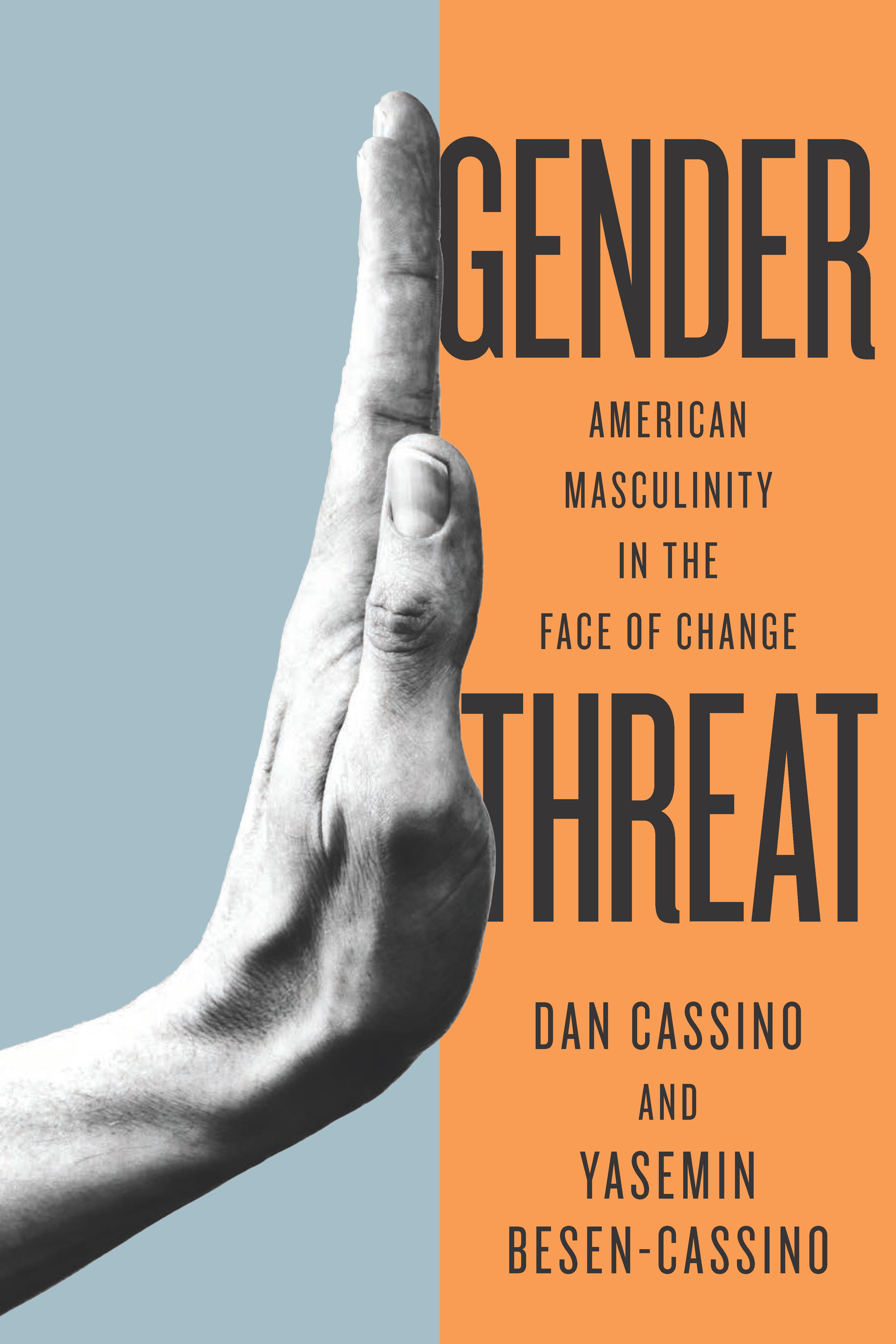
Against all evidence to the contrary, American men have come to believe that the world is tilted – economically, socially, politically – against them. A majority of men across the political spectrum feel that they face some amount of discrimination because of their sex. The authors of Gender Threat look at what reasoning lies behind their belief and how they respond to it. Many feel that there is a limited set of socially accepted ways for men to express their gender identity, and when circumstances make it difficult or impossible for them to do so, they search for another outlet to compensate. Sometimes these behaviors are socially positive, such as placing a greater emphasis on fatherhood, but other times they can be maladaptive, as in the case of increased sexual harassment at work. These trends have emerged, notably, since the Great Recession of 2008-09. Drawing on multiple data sources, the authors find that the specter of threats to their gender identity has important implications for men's behavior. Importantly, younger men are more likely to turn to nontraditional compensatory behaviors, such as increased involvement in cooking, parenting, and community leadership, suggesting that the conception of masculinity is likely to change in the decades to come.
Paga facilmente con carta, Klarna, Apple Pay o Google Pay. Non sei soddisfatto? Hai sempre 14 giorni per il rimborso. Leggi di più nei nostri termini. Per qualsiasi domanda, scrivici a hello@memmo.org.
Memmo rende lo studio più facile, ovunque tu sia nel mondo. Qui trovi i tuoi libri di testo e strumenti di studio intelligenti, tutto in un unico posto: riassunti, quiz, podcast e flashcard. E poi c'è Ted, il tuo compagno di studio che risponde a ogni tua domanda. Oltre 50.000 studenti studiano già qui: è stato creato per aiutarti a imparare più velocemente e a stressarti meno.