
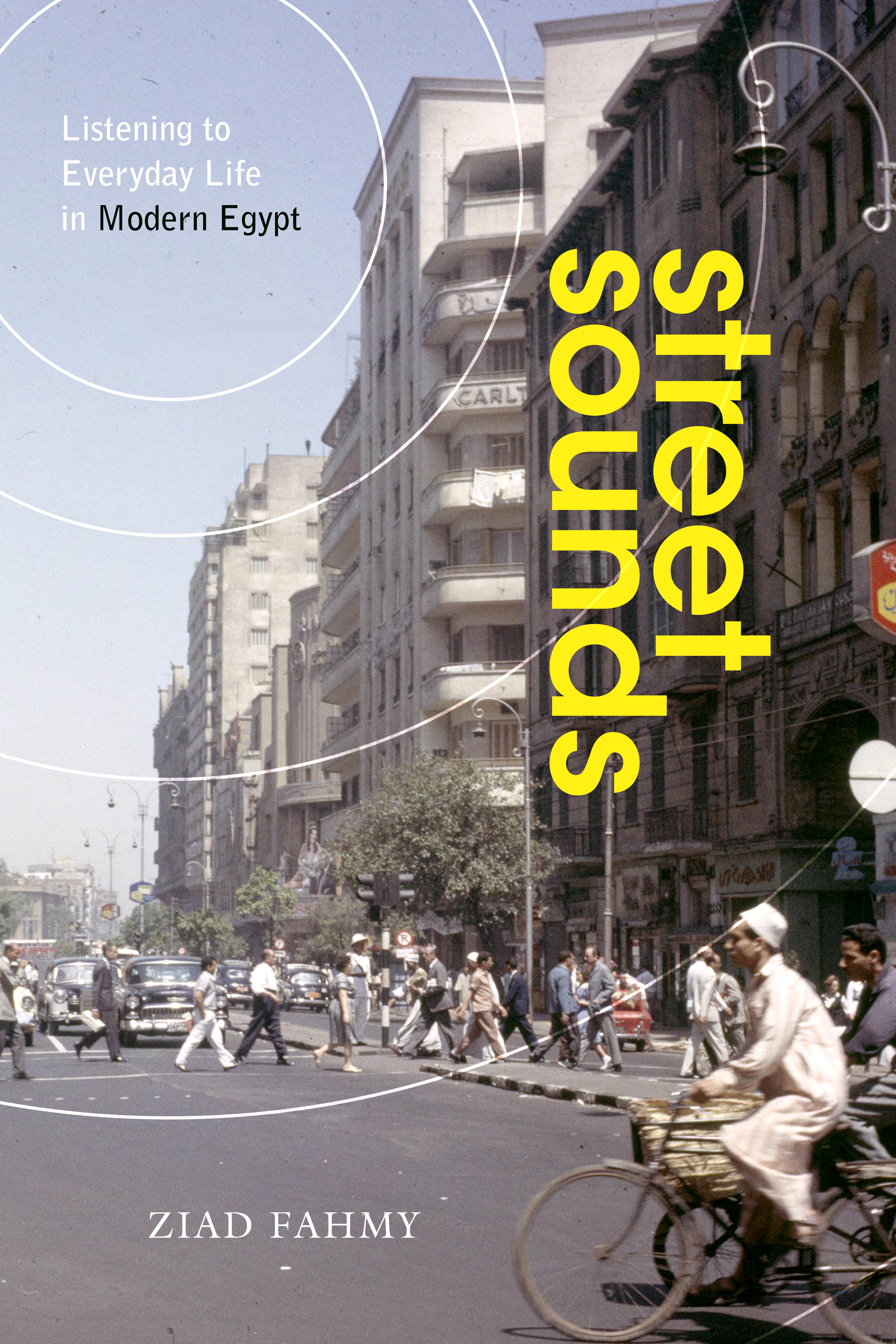
As the twentieth century roared on, transformative technologies—from trains, trams, and automobiles to radios and loudspeakers—fundamentally changed the sounds of the Egyptian streets. The cacophony of everyday life grew louder, and the Egyptian press featured editorials calling for the regulation of not only mechanized and amplified sounds, but also the voices of street vendors, the music of wedding processions, and even the traditional funerary wails. Ziad Fahmy offers the first historical examination of the changing soundscapes of urban Egypt, highlighting the mundane sounds of street life, while "listening" to the voices of ordinary people as they struggle with state authorities for ownership of the streets.
Interweaving infrastructural, cultural, and social history, Fahmy analyzes the sounds of modernity, using sounded sources as an analytical tool for examining the past. Street Sounds also reveals a political dimension of noise by demonstrating how the growing middle classes used sound to distinguish themselves from the Egyptian masses. This book contextualizes sound, layering historical analysis with a sensory dimension, bringing us closer to the Egyptian streets as lived and embodied by everyday people.
Paga facilmente con carta, Klarna, Apple Pay o Google Pay. Non sei soddisfatto? Hai sempre 14 giorni per il rimborso. Leggi di più nei nostri termini. Per qualsiasi domanda, scrivici a hello@memmo.org.
Memmo rende lo studio più facile, ovunque tu sia nel mondo. Qui trovi i tuoi libri di testo e strumenti di studio intelligenti, tutto in un unico posto: riassunti, quiz, podcast e flashcard. E poi c'è Ted, il tuo compagno di studio che risponde a ogni tua domanda. Oltre 50.000 studenti studiano già qui: è stato creato per aiutarti a imparare più velocemente e a stressarti meno.