
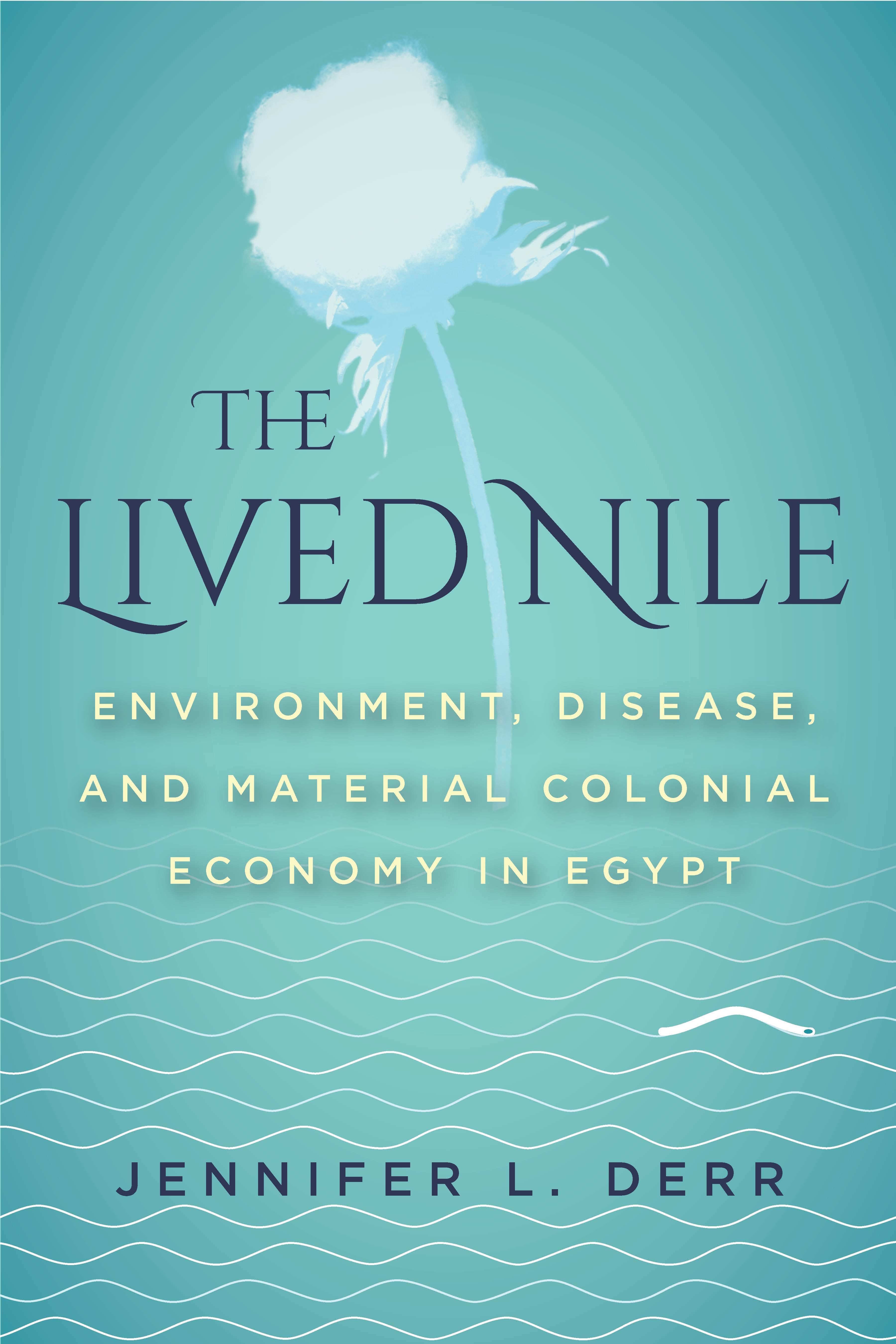
In October 1902, the reservoir of the first Aswan Dam filled, and Egypt's relationship with the Nile River forever changed. Flooding villages of historical northern Nubia and filling the irrigation canals that flowed from the river, the perennial Nile not only reshaped agriculture and the environment, but also Egypt's colonial economy and forms of subjectivity.
Jennifer L. Derr follows the engineers, capitalists, political authorities, and laborers who built a new Nile River through the nineteenth and early twentieth centuries. The river helped to shape the future of technocratic knowledge, and the bodies of those who inhabited rural communities were transformed through the environmental intimacies of their daily lives. At the root of this investigation lies the notion that the Nile is not a singular entity, but a realm of practice and a set of temporally, spatially, and materially specific relations that structured experiences of colonial economy. From the microscopic to the regional, the local to the imperial, The Lived Nile recounts the history and centrality of the environment to questions of politics, knowledge, and the lived experience of the human body itself.
Paga facilmente con carta, Klarna, Apple Pay o Google Pay. Non sei soddisfatto? Hai sempre 14 giorni per il rimborso. Leggi di più nei nostri termini. Per qualsiasi domanda, scrivici a hello@memmo.org.
Memmo rende lo studio più facile, ovunque tu sia nel mondo. Qui trovi i tuoi libri di testo e strumenti di studio intelligenti, tutto in un unico posto: riassunti, quiz, podcast e flashcard. E poi c'è Ted, il tuo compagno di studio che risponde a ogni tua domanda. Oltre 50.000 studenti studiano già qui: è stato creato per aiutarti a imparare più velocemente e a stressarti meno.