
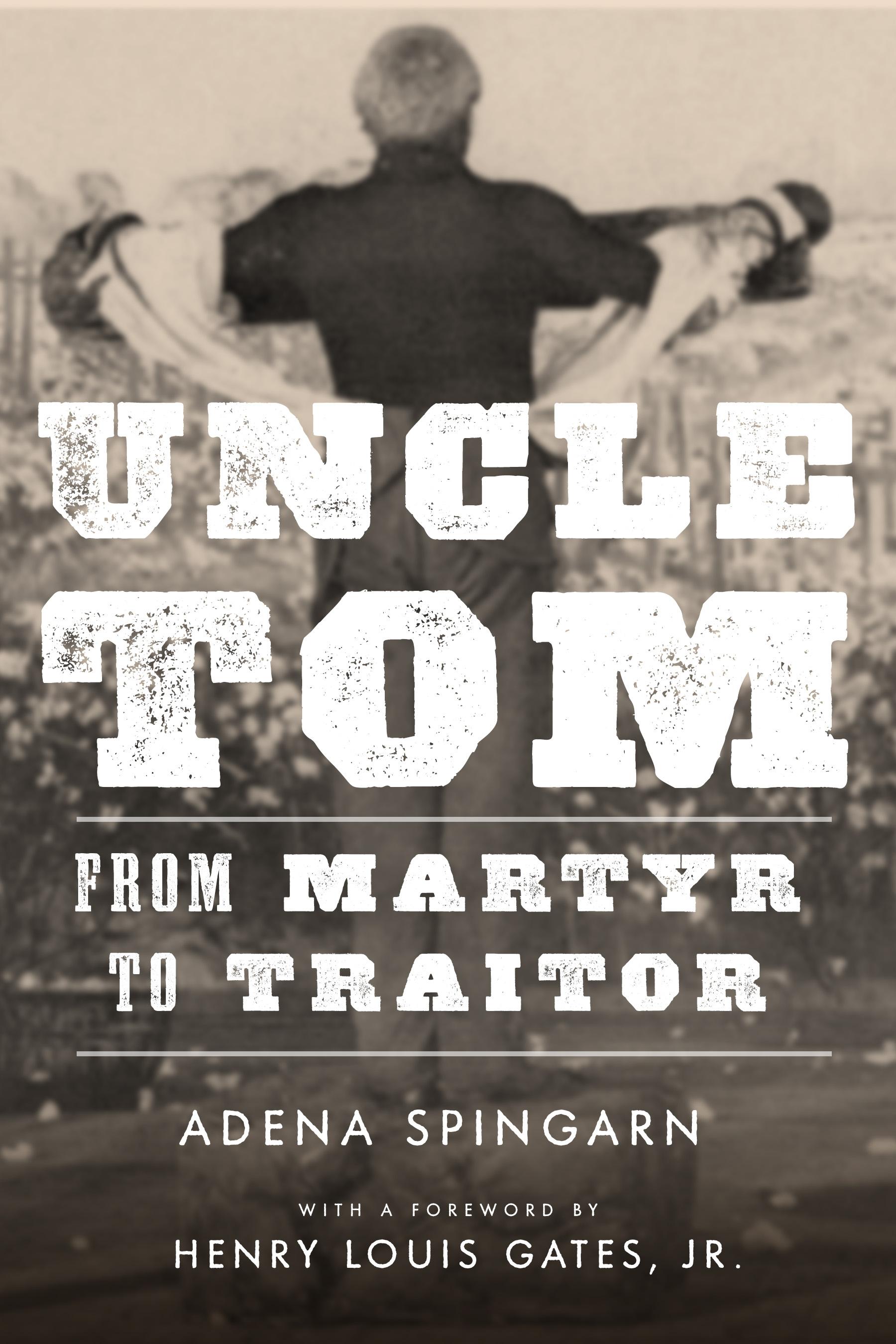
Uncle Tom charts the dramatic cultural transformation of perhaps the most controversial literary character in American history. From his origins as the heroic, Christ-like protagonist of Harriet Beecher Stowe's anti-slavery novel, the best-selling book of the nineteenth century after the Bible, Uncle Tom has become a widely recognized epithet for a black person deemed so subservient to whites that he betrays his race. Readers have long noted that Stowe's character is not the traitorous sycophant that his name connotes today. Adena Spingarn traces his evolution in the American imagination, offering the first comprehensive account of a figure central to American conversations about race and racial representation from 1852 to the present. We learn of the radical political potential of the novel's many theatrical spinoffs even in the Jim Crow era, Uncle Tom's breezy disavowal by prominent voices of the Harlem Renaissance, and a developing critique of "Uncle Tom roles" in Hollywood. Within the stubborn American binary of black and white, citizens have used this rhetorical figure to debate the boundaries of racial difference and the legacy of slavery. Through Uncle Tom, black Americans have disputed various strategies for racial progress and defined the most desirable and harmful images of black personhood in literature and popular culture.
Paga facilmente con carta, Klarna, Apple Pay o Google Pay. Non sei soddisfatto? Hai sempre 14 giorni per il rimborso. Leggi di più nei nostri termini. Per qualsiasi domanda, scrivici a hello@memmo.org.
Memmo rende lo studio più facile, ovunque tu sia nel mondo. Qui trovi i tuoi libri di testo e strumenti di studio intelligenti, tutto in un unico posto: riassunti, quiz, podcast e flashcard. E poi c'è Ted, il tuo compagno di studio che risponde a ogni tua domanda. Oltre 50.000 studenti studiano già qui: è stato creato per aiutarti a imparare più velocemente e a stressarti meno.