
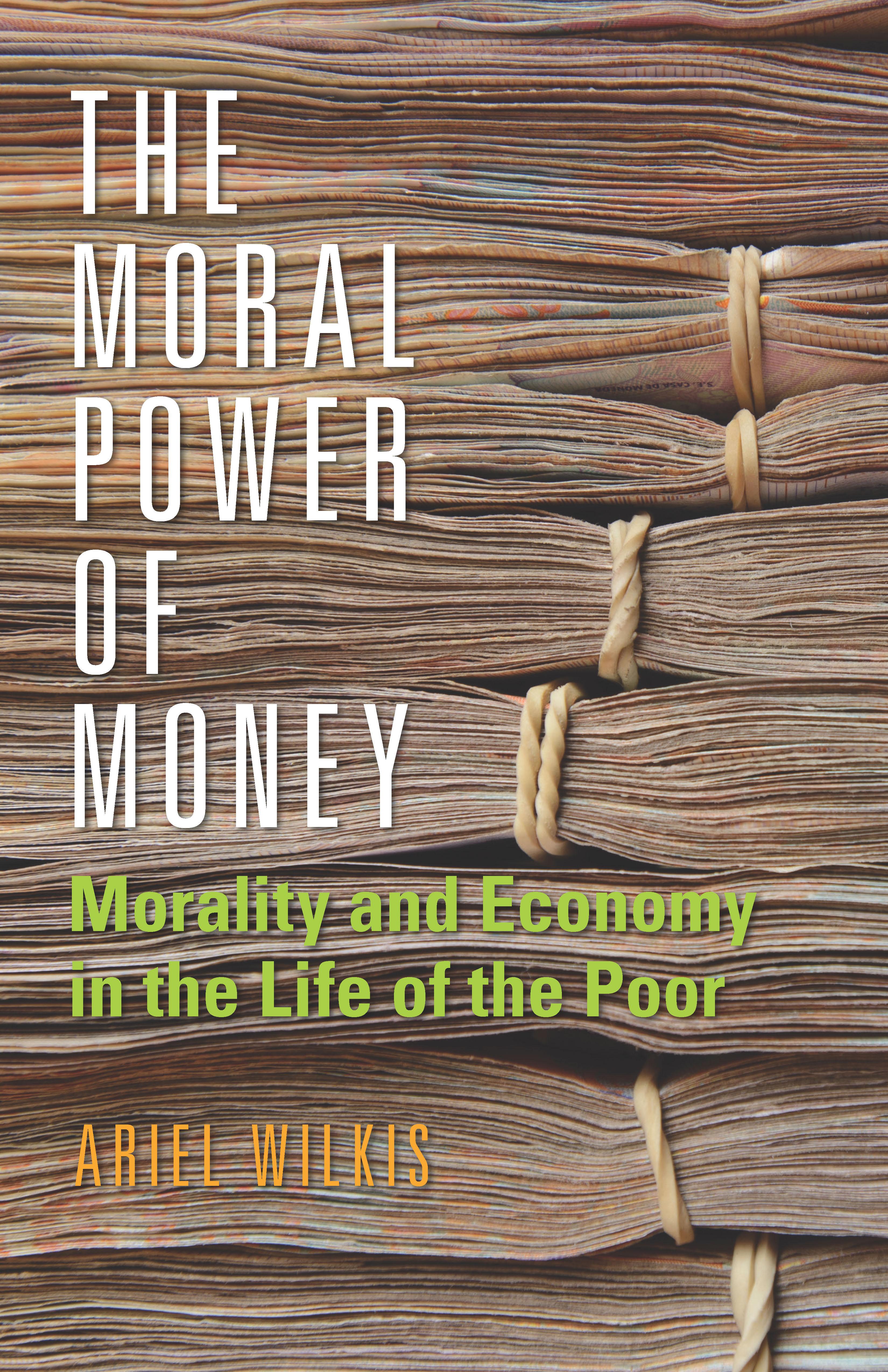
Looking beneath the surface of seemingly ordinary social interactions, The Moral Power of Money investigates the forces of power and morality at play, particularly among the poor. Drawing on fieldwork in a slum of Buenos Aires, Ariel Wilkis argues that money is a critical symbol used to negotiate not only material possessions, but also the political, economic, class, gender, and generational bonds between people.
Through vivid accounts of the stark realities of life in Villa Olimpia, Wilkis highlights the interplay of money, morality, and power. Drawing out the theoretical implications of these stories, he proposes a new concept of moral capital based on different kinds, or "pieces," of money. Each chapter covers a different "piece"—money earned from the informal and illegal economies, money lent through family and market relations, money donated with conditional cash transfers, political money that binds politicians and their supporters, sacrificed money offered to the church, and safeguarded money used to support people facing hardships. This book builds an original theory of the moral sociology of money, providing the tools for understanding the role money plays in social life today.
Paga facilmente con carta, Klarna, Apple Pay o Google Pay. Non sei soddisfatto? Hai sempre 14 giorni per il rimborso. Leggi di più nei nostri termini. Per qualsiasi domanda, scrivici a hello@memmo.org.
Memmo rende lo studio più facile, ovunque tu sia nel mondo. Qui trovi i tuoi libri di testo e strumenti di studio intelligenti, tutto in un unico posto: riassunti, quiz, podcast e flashcard. E poi c'è Ted, il tuo compagno di studio che risponde a ogni tua domanda. Oltre 50.000 studenti studiano già qui: è stato creato per aiutarti a imparare più velocemente e a stressarti meno.