
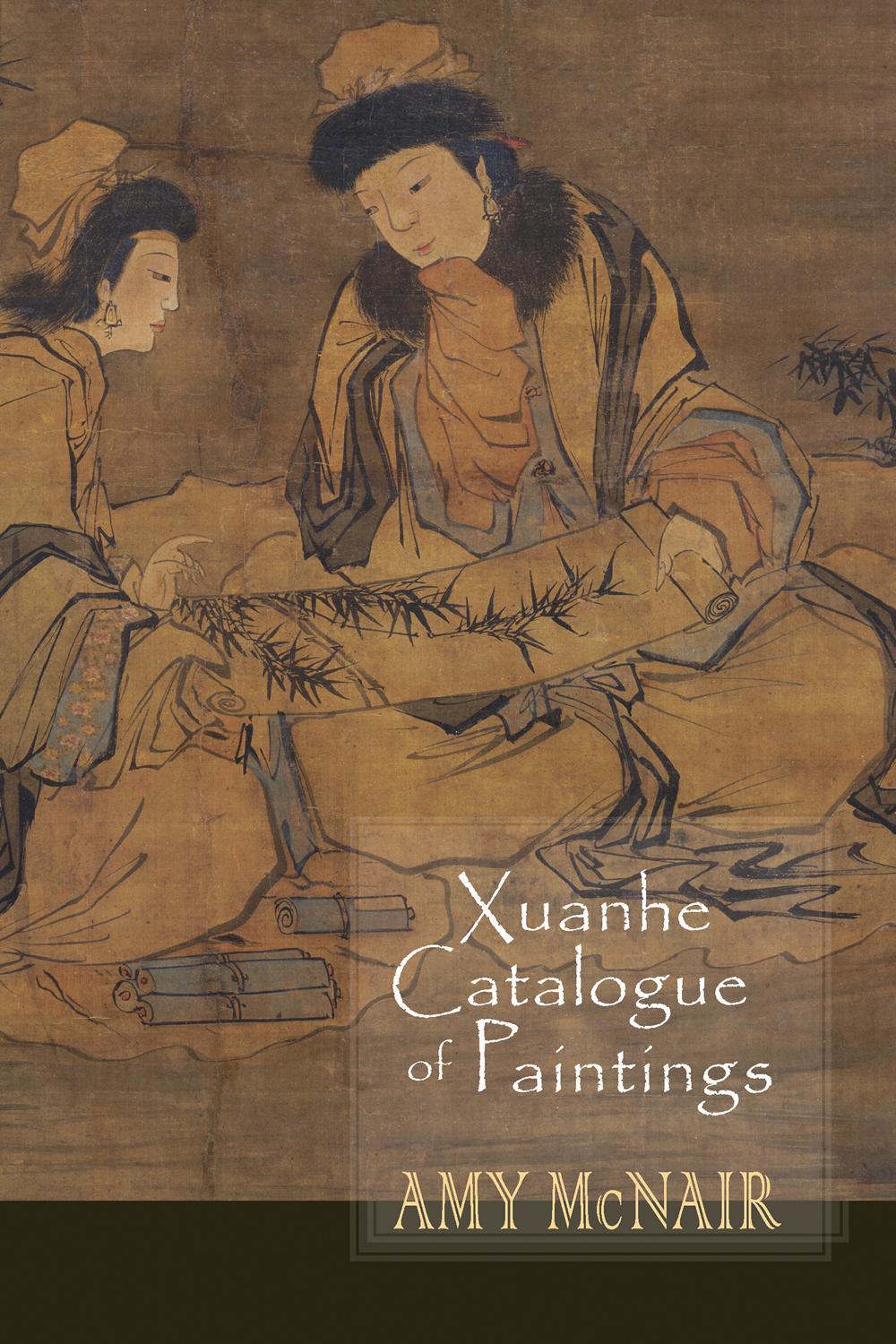
Xuanhe Catalogue of Paintings is the first complete translation of the well-known document produced at the court of Emperor Huizong (r. 1100–1125). Dated to 1120, the Catalogue is divided into ten categories of subject matter. Under Daoist and Buddhist Subjects, Figural Subjects, Architecture, Barbarian Tribes, Dragons and Fish, Landscape, Domestic and Wild Animals, Flowers and Birds, Ink Bamboo, and Vegetables and Fruit are biographies of 231 painters, ranging from famous early masters, such as Wu Daozi (ca. 685-758) and Li Cheng (919-967), to otherwise unknown artists of the Song-dynasty court, including fourteen eunuch officials and sixteen male and female members of the royal family. Titles of their pictures held in the palace collection are listed for each artist. These 6,396 paintings testify to the visual culture experienced by viewers of the twelfth century. The author's Introduction analyzes the Catalogue as a source of evidence about the formation of the Song-dynasty palace collection and argues that the majority of its pictures were already in the collection before Huizong's reign, as a result of conquest, confiscation, tribute, gift culture, collecting by earlier emperors, and the production of academy artists and regular officials at the Song court. Under Huizong's reign, around a thousand other pictures were added to the Catalogue through acquisition and reattribution.
Open access edition funded by the National Endowment for the Humanities.
Paga facilmente con carta, Klarna, Apple Pay o Google Pay. Non sei soddisfatto? Hai sempre 14 giorni per il rimborso. Leggi di più nei nostri termini. Per qualsiasi domanda, scrivici a hello@memmo.org.
Memmo rende lo studio più facile, ovunque tu sia nel mondo. Qui trovi i tuoi libri di testo e strumenti di studio intelligenti, tutto in un unico posto: riassunti, quiz, podcast e flashcard. E poi c'è Ted, il tuo compagno di studio che risponde a ogni tua domanda. Oltre 50.000 studenti studiano già qui: è stato creato per aiutarti a imparare più velocemente e a stressarti meno.