
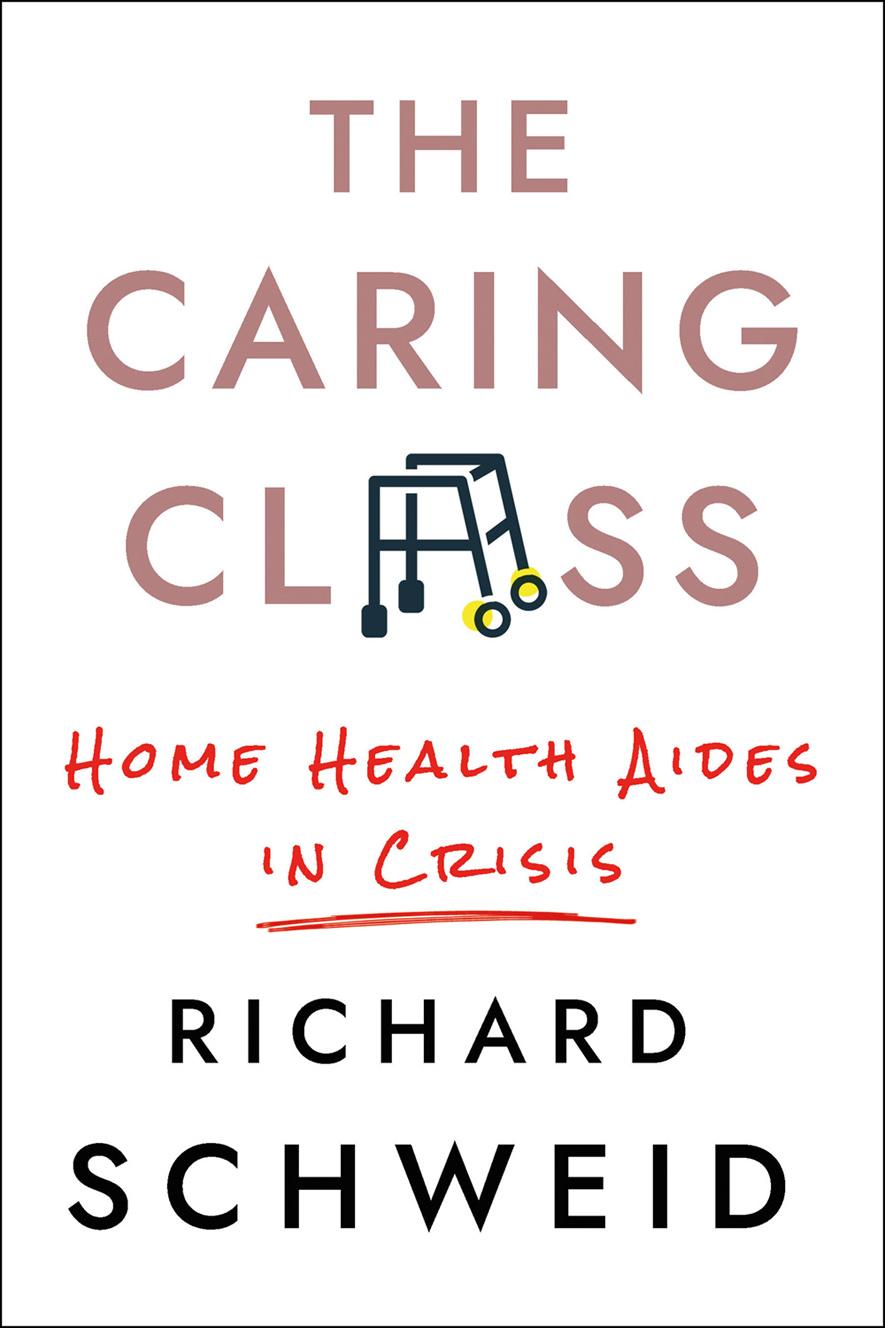
The number of elderly and disabled Americans in need of home health care is increasing annually, even as the pool of people—almost always women—willing to do this job gets smaller and smaller. The Caring Class takes readers inside the reality of home health care by following the lives of women training and working as home health aides in the South Bronx.
Richard Schweid examines home health care in detail, focusing on the women who tend to our elderly and disabled loved ones and how we fail to value their work. They are paid minimum wage so that we might be absent, getting on with our own lives. The book calls for a rethinking of home health care and explains why changes are urgent: the current system offers neither a good way to live nor a good way to die. By improving the job of home health aide, Schweid shows, we can reduce income inequality and create a pool of qualified, competent home health care providers who would contribute to the well-being of us all.
The Caring Class also serves as a guide into the world of our home health care system. Nearly 50 million US families look after an elderly or disabled loved one. This book explains the issues and choices they face. Schweid explores the narratives, histories, and people behind home health care in the United States, examining how we might improve the lives of both those who receive care and those who provide it.
Paga facilmente con carta, Klarna, Apple Pay o Google Pay. Non sei soddisfatto? Hai sempre 14 giorni per il rimborso. Leggi di più nei nostri termini. Per qualsiasi domanda, scrivici a hello@memmo.org.
Memmo rende lo studio più facile, ovunque tu sia nel mondo. Qui trovi i tuoi libri di testo e strumenti di studio intelligenti, tutto in un unico posto: riassunti, quiz, podcast e flashcard. E poi c'è Ted, il tuo compagno di studio che risponde a ogni tua domanda. Oltre 50.000 studenti studiano già qui: è stato creato per aiutarti a imparare più velocemente e a stressarti meno.