
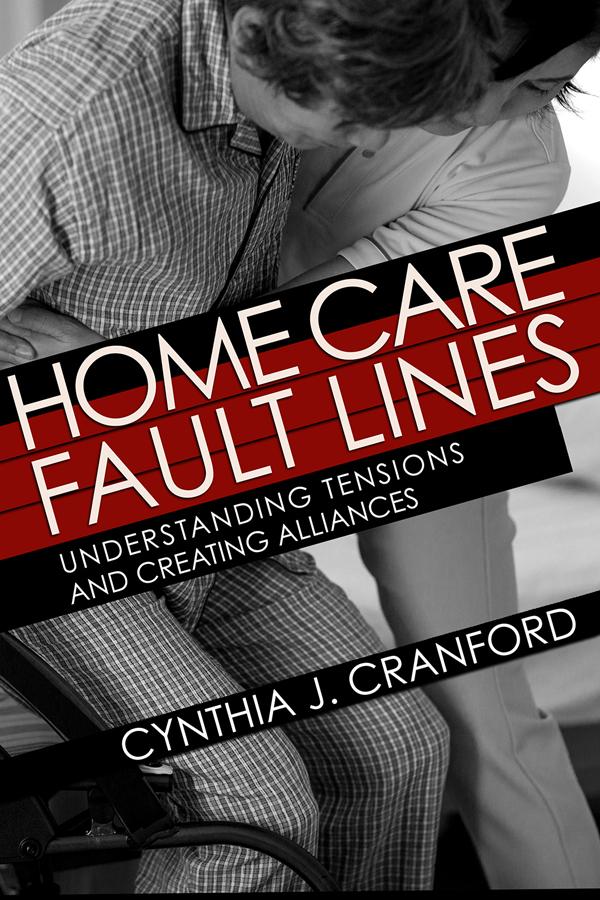
In this revealing look at home care, Cynthia J. Cranford illustrates how elderly and disabled people and the immigrant women workers who assist them in daily activities develop meaningful relationships even when their different ages, abilities, races, nationalities, and socioeconomic backgrounds generate tension. As Cranford shows, workers can experience devaluation within racialized and gendered class hierarchies, which shapes their pursuit of security.
Cranford analyzes the tensions, alliances, and compromises between security for workers and flexibility for elderly and disabled people, and she argues that workers and recipients negotiate flexibility and security within intersecting inequalities in varying ways depending on multiple interacting dynamics.
What comes through from Cranford's analysis is the need for deeply democratic alliances across multiple axes of inequality. To support both flexible care and secure work, she argues for an intimate community unionism that advocates for universal state funding, designs culturally sensitive labor market intermediaries run by workers and recipients to help people find jobs or workers, and addresses everyday tensions in home workplaces.
Paga facilmente con carta, Klarna, Apple Pay o Google Pay. Non sei soddisfatto? Hai sempre 14 giorni per il rimborso. Leggi di più nei nostri termini. Per qualsiasi domanda, scrivici a hello@memmo.org.
Memmo rende lo studio più facile, ovunque tu sia nel mondo. Qui trovi i tuoi libri di testo e strumenti di studio intelligenti, tutto in un unico posto: riassunti, quiz, podcast e flashcard. E poi c'è Ted, il tuo compagno di studio che risponde a ogni tua domanda. Oltre 50.000 studenti studiano già qui: è stato creato per aiutarti a imparare più velocemente e a stressarti meno.