
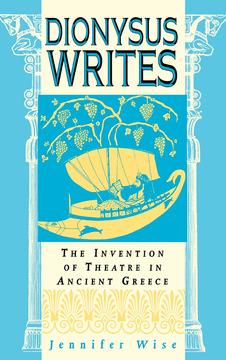
What is the nature of theatre's uneasy alliance with literature? Should theatre be viewed as a preliterate, ritualistic phenomenon that can only be compromised by writing? Or should theatre be grouped with other literary arts as essentially'textual,'with even physical performance subsumed under the aegis of textuality? Jennifer Wise, a theatre historian and drama theorist who is also an actor, director, and designer, responds with a challenging and convincing reconstruction of the historical context from which Western theatre first emerged.
Wise believes that a comparison of the performance style of oral epic with that of drama as it emerged in sixth-century Greece shows the extent to which theatre was influenced by literate activities relatively new to the ancient world. These activities, foreign to Homer yet familiar to Aeschylus and his contemporaries, included the use of the alphabet, the teaching of texts in schools, the public inscription of laws, the sending and receiving of letters, the exchange of city coinage, and the making of lists. Having changed the way cultural material was processed and transmitted, the technology of writing also led to innovations in the way stories were told, and Wise contends that theatre was the result. However, the art of drama appeared in ancient Greece not only as a beneficiary of literacy but also in defiance of any tendency to see textuality as an end in itself.
Paga facilmente con carta, Klarna, Apple Pay o Google Pay. Non sei soddisfatto? Hai sempre 14 giorni per il rimborso. Leggi di più nei nostri termini. Per qualsiasi domanda, scrivici a hello@memmo.org.
Memmo rende lo studio più facile, ovunque tu sia nel mondo. Qui trovi i tuoi libri di testo e strumenti di studio intelligenti, tutto in un unico posto: riassunti, quiz, podcast e flashcard. E poi c'è Ted, il tuo compagno di studio che risponde a ogni tua domanda. Oltre 50.000 studenti studiano già qui: è stato creato per aiutarti a imparare più velocemente e a stressarti meno.