
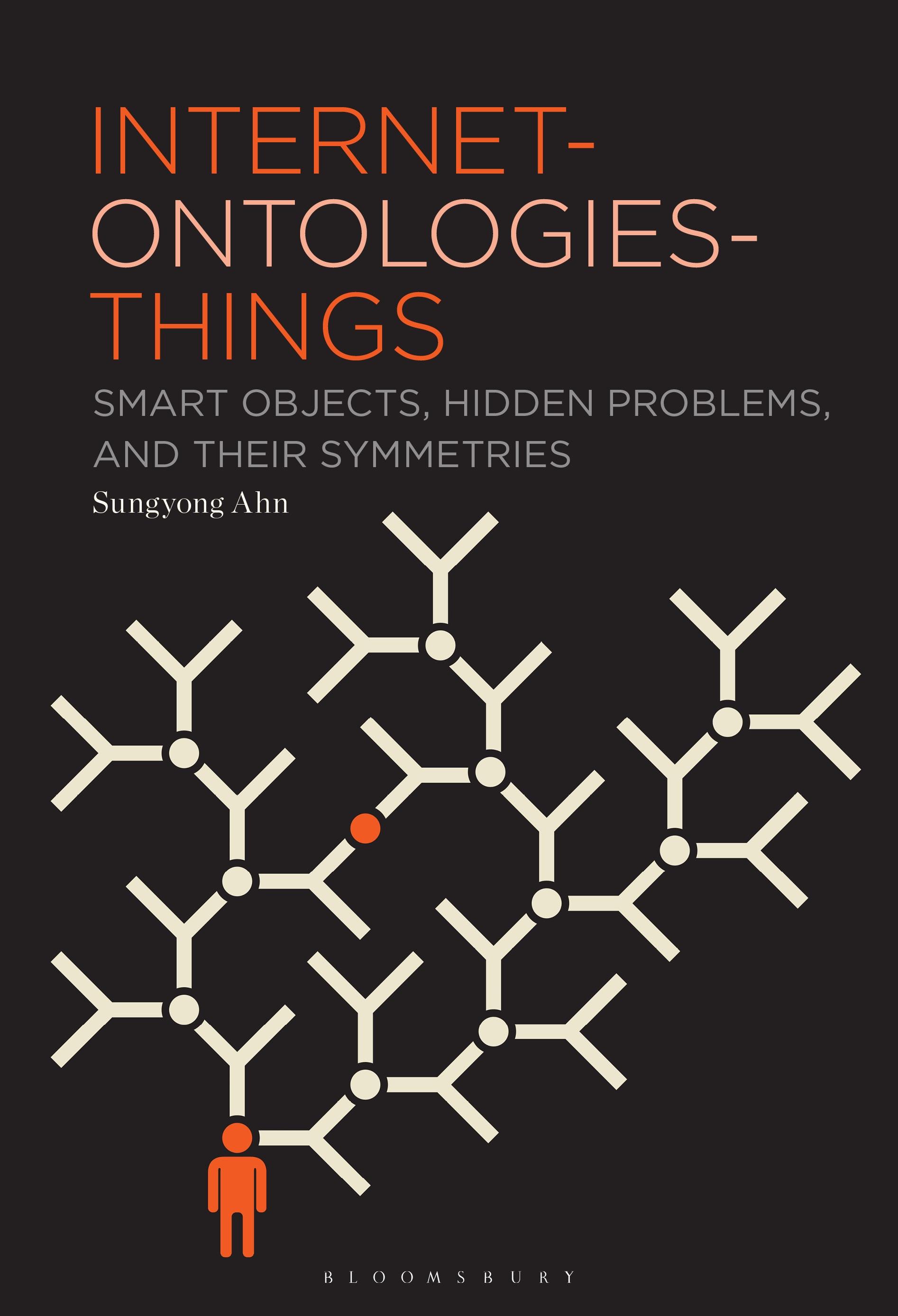
Internet-ontologies-Things explores how power mobilizes algorithmic and ontological objects, for example smartwatches and smart buildings, to uncover hidden problems within the physical domains of the IoT.
One popular approach of software studies in recent times is to think of algorithmic objects - like the 'things' in what is known as the “Internet of Things” (IoT) - as ontological agents to the same extent as the humans who use them. While post-humanist philosophies, such as speculative realism and object-oriented ontology, have provided a theoretical foundation for this methodological elevation of objects to autonomous and sentient beings, the complicity between this philosophical discourse and the material transformation of our everyday lives, which are embedded with these “smart” objects, remains relatively underexplored.
Within this constantly changing infrastructure, Internet-ontologies-Things: Smart Objects, Hidden Problems, and their Symmetries reveals a new form of economic and political power whose algorithmic governance finds its legitimacy in our newly cultivated paranoia about unknown and perhaps unknowable computational problems. In its examination of our smart world, this book illuminates the mechanisms by which this power mobilizes various algorithmic and ontological objects, from smart wearables to smart buildings, to identify a greater number of hidden problems within the physical domains of the IoT, from city sidewalks to the nerves and organs of our very own bodies.
One popular approach of software studies in recent times is to think of algorithmic objects - like the 'things' in what is known as the “Internet of Things” (IoT) - as ontological agents to the same extent as the humans who use them. While post-humanist philosophies, such as speculative realism and object-oriented ontology, have provided a theoretical foundation for this methodological elevation of objects to autonomous and sentient beings, the complicity between this philosophical discourse and the material transformation of our everyday lives, which are embedded with these “smart” objects, remains relatively underexplored.
Within this constantly changing infrastructure, Internet-ontologies-Things: Smart Objects, Hidden Problems, and their Symmetries reveals a new form of economic and political power whose algorithmic governance finds its legitimacy in our newly cultivated paranoia about unknown and perhaps unknowable computational problems. In its examination of our smart world, this book illuminates the mechanisms by which this power mobilizes various algorithmic and ontological objects, from smart wearables to smart buildings, to identify a greater number of hidden problems within the physical domains of the IoT, from city sidewalks to the nerves and organs of our very own bodies.
Paga facilmente con carta, Klarna, Apple Pay o Google Pay. Non sei soddisfatto? Hai sempre 14 giorni per il rimborso. Leggi di più nei nostri termini. Per qualsiasi domanda, scrivici a hello@memmo.org.
Memmo rende lo studio più facile, ovunque tu sia nel mondo. Qui trovi i tuoi libri di testo e strumenti di studio intelligenti, tutto in un unico posto: riassunti, quiz, podcast e flashcard. E poi c'è Ted, il tuo compagno di studio che risponde a ogni tua domanda. Oltre 50.000 studenti studiano già qui: è stato creato per aiutarti a imparare più velocemente e a stressarti meno.