
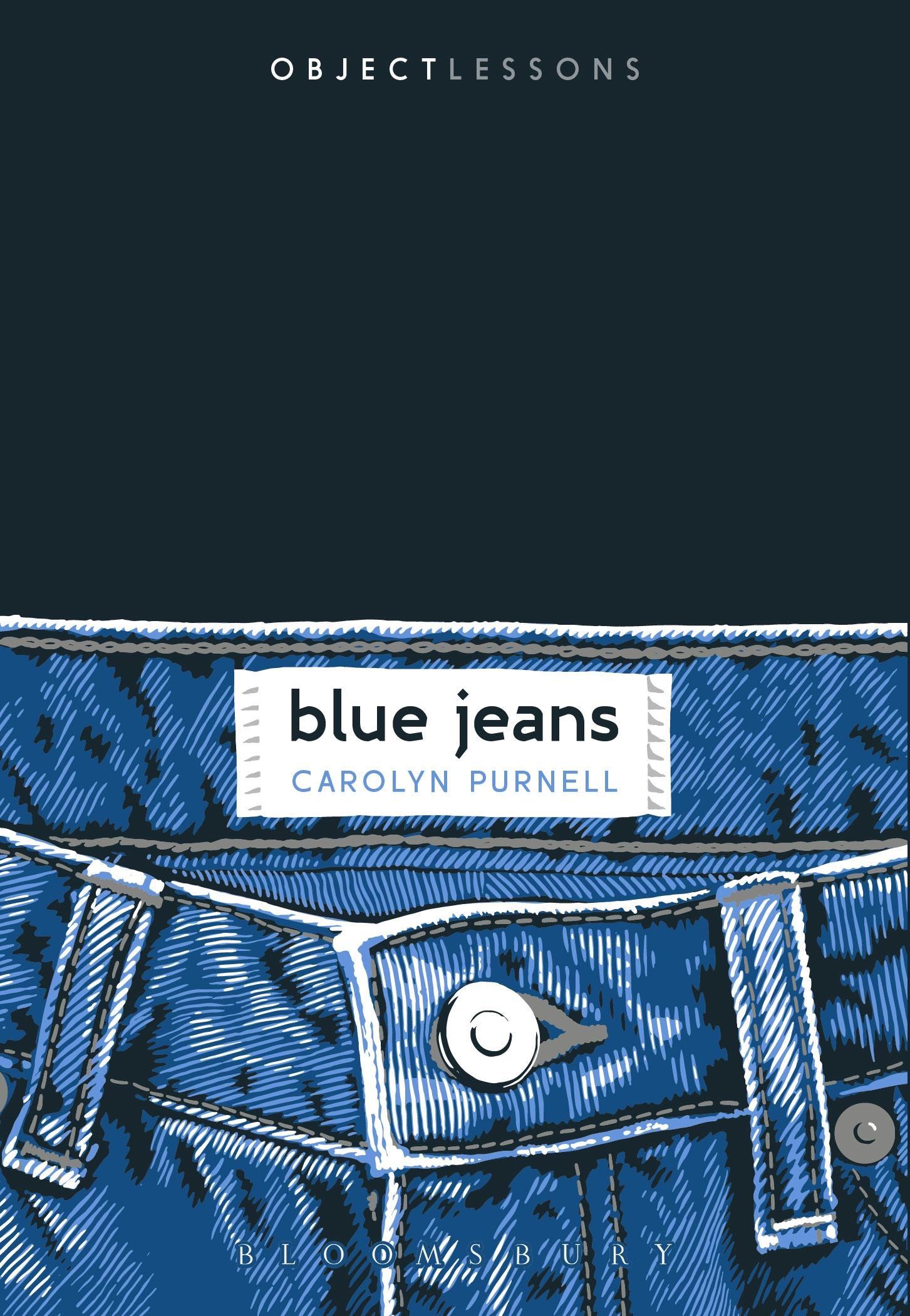
Object Lessons is a series of short, beautifully designed books about the hidden lives of ordinary things.
Few clothing items are as ubiquitous or casual as blue jeans. Yet, their simplicity is deceptive. Blue jeans are nothing if not an exercise in opposites.
Americans have accepted jeans as a symbol of their culture, but today jeans are a global consumer product category. Levi Strauss made blue jeans in the 1870s to withstand the hard work of mining, but denim has since become the epitome of leisure. In the 1950s, celebrities like Marlon Brando transformed the utilitarian clothing of industrial labor into a glamorous statement of youthful rebellion, and now, you can find jeans on chic fashion runways. For some, indigo blue might be the color of freedom, but for workers who have produced the dye, it has often been a color of oppression and tyranny.
Blue Jeans considers the versatility of this iconic garment and investigates what makes denim a universal signifier, ready to fit any context, meaning, and body.
Object Lessons is published in partnership with an essay series in The Atlantic.
Few clothing items are as ubiquitous or casual as blue jeans. Yet, their simplicity is deceptive. Blue jeans are nothing if not an exercise in opposites.
Americans have accepted jeans as a symbol of their culture, but today jeans are a global consumer product category. Levi Strauss made blue jeans in the 1870s to withstand the hard work of mining, but denim has since become the epitome of leisure. In the 1950s, celebrities like Marlon Brando transformed the utilitarian clothing of industrial labor into a glamorous statement of youthful rebellion, and now, you can find jeans on chic fashion runways. For some, indigo blue might be the color of freedom, but for workers who have produced the dye, it has often been a color of oppression and tyranny.
Blue Jeans considers the versatility of this iconic garment and investigates what makes denim a universal signifier, ready to fit any context, meaning, and body.
Object Lessons is published in partnership with an essay series in The Atlantic.
Pagine: 160
Categoria: Kultur-, Genus- & Postkoloniala studier
e-ISBN: 9781501383755
Peso di spedizione: 1.2 kg
Spedito in: 1-2 giorni
Paga facilmente con carta, Klarna, Apple Pay o Google Pay. Non sei soddisfatto? Hai sempre 14 giorni per il rimborso. Leggi di più nei nostri termini. Per qualsiasi domanda, scrivici a hello@memmo.org.
Memmo rende lo studio più facile, ovunque tu sia nel mondo. Qui trovi i tuoi libri di testo e strumenti di studio intelligenti, tutto in un unico posto: riassunti, quiz, podcast e flashcard. E poi c'è Ted, il tuo compagno di studio che risponde a ogni tua domanda. Oltre 50.000 studenti studiano già qui: è stato creato per aiutarti a imparare più velocemente e a stressarti meno.