
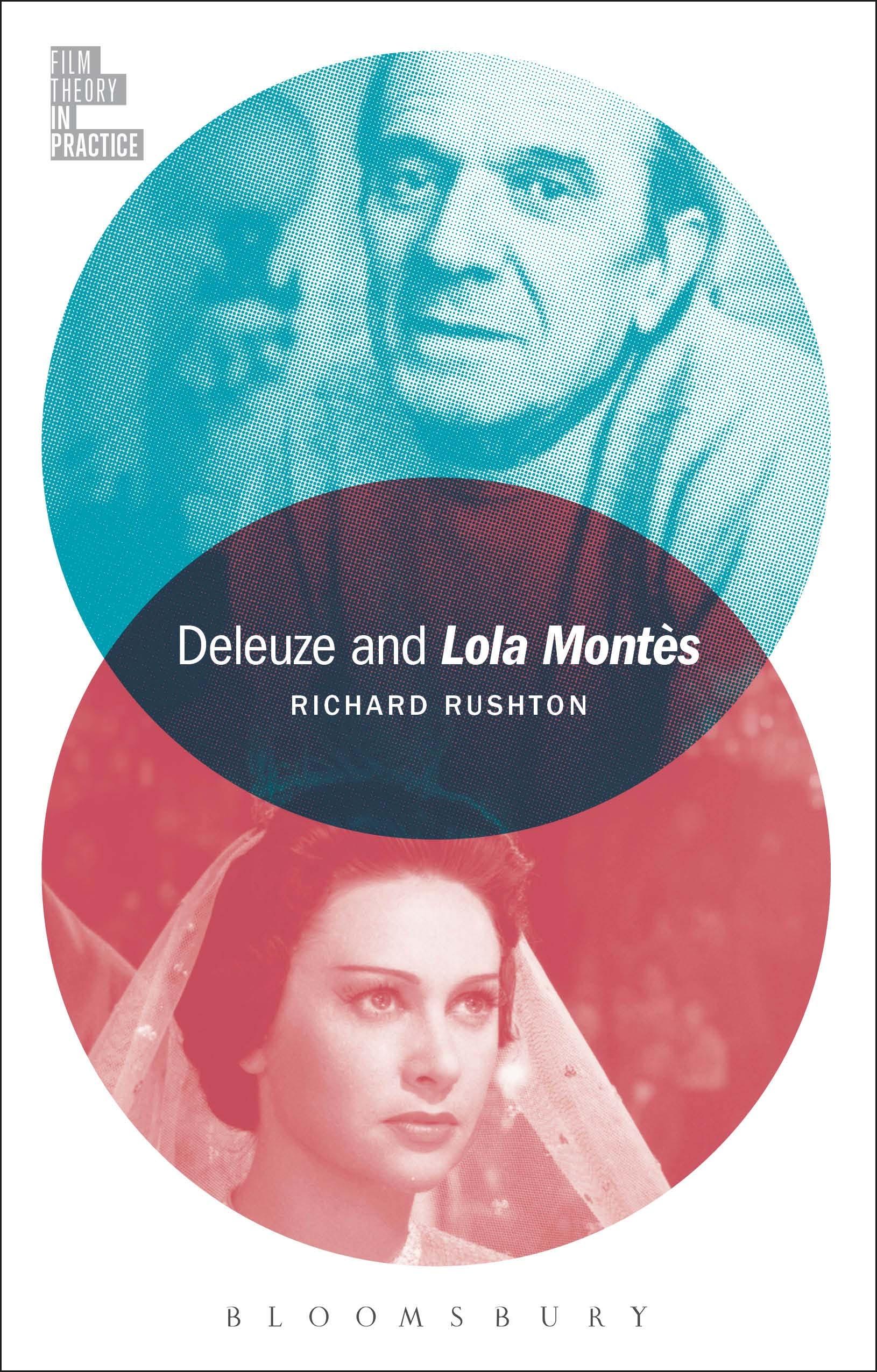
Gilles Deleuze represents the most widely referenced theorist of cinema today. And yet, even the most rudimentary pillars of his thought remain mysterious to most students (and even many scholars) of film studies.
From one of the foremost theorists following Deleuze in the world today, Deleuze and Lola Montès offers a detailed explication of Gilles Deleuze's writings on film – from his books Cinema 1: The Movement-Image (1983) and Cinema 2: The Time-Image (1985). Building on this foundation, Rushton provides an interpretation of Max Ophuls's classic film Lola Montès as an example of how Deleuzian film theory can function in the practice of film interpretation.
From one of the foremost theorists following Deleuze in the world today, Deleuze and Lola Montès offers a detailed explication of Gilles Deleuze's writings on film – from his books Cinema 1: The Movement-Image (1983) and Cinema 2: The Time-Image (1985). Building on this foundation, Rushton provides an interpretation of Max Ophuls's classic film Lola Montès as an example of how Deleuzian film theory can function in the practice of film interpretation.
Paga facilmente con carta, Klarna, Apple Pay o Google Pay. Non sei soddisfatto? Hai sempre 14 giorni per il rimborso. Leggi di più nei nostri termini. Per qualsiasi domanda, scrivici a hello@memmo.org.
Memmo rende lo studio più facile, ovunque tu sia nel mondo. Qui trovi i tuoi libri di testo e strumenti di studio intelligenti, tutto in un unico posto: riassunti, quiz, podcast e flashcard. E poi c'è Ted, il tuo compagno di studio che risponde a ogni tua domanda. Oltre 50.000 studenti studiano già qui: è stato creato per aiutarti a imparare più velocemente e a stressarti meno.