
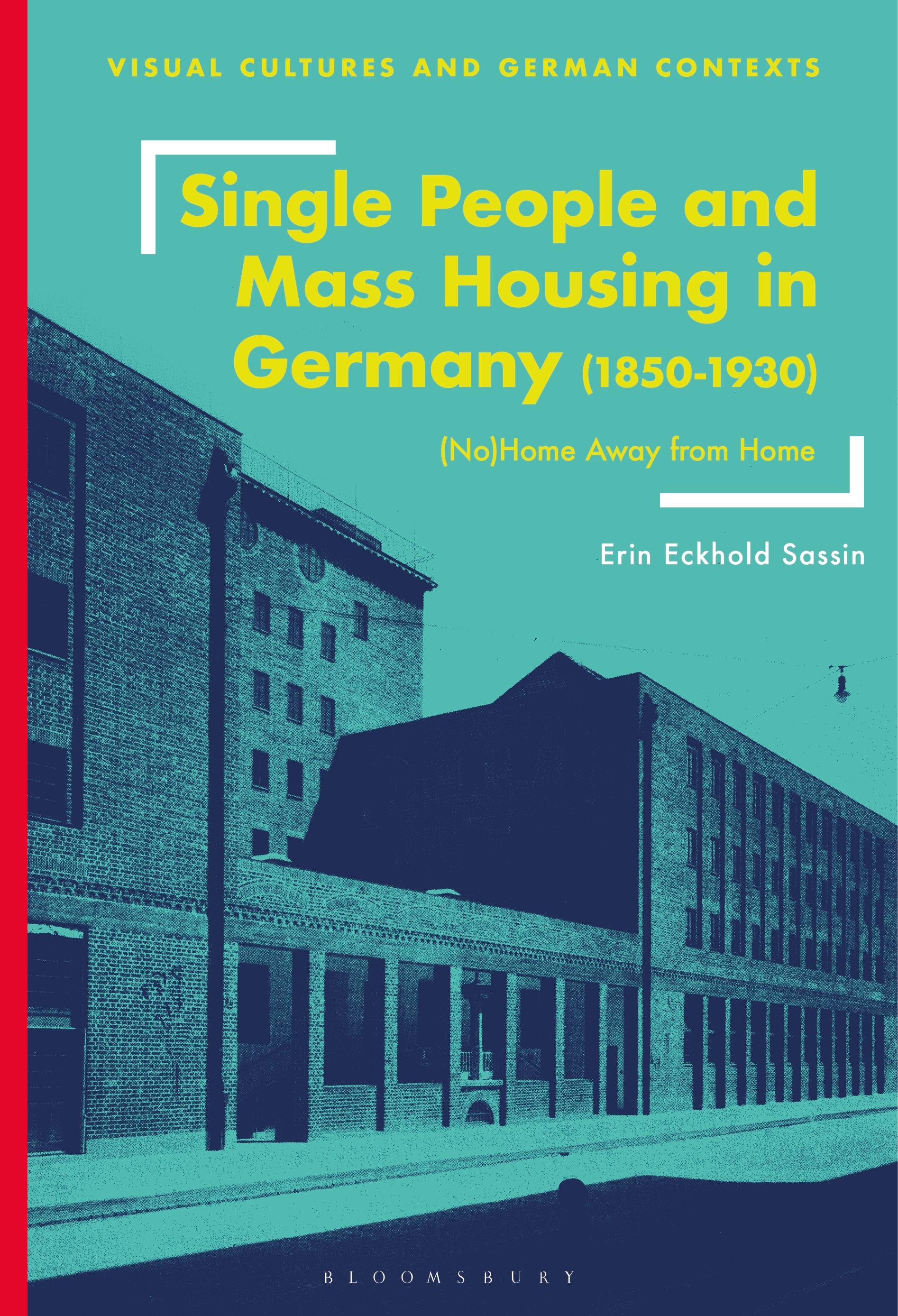
Unsettling traditional understandings of housing reform as focused on the nuclear family with dependent children, Single People and Mass Housing in Germany, 1850-1930 is the first complete study of single-person mass housing in Germany and the pivotal role this class- and gender-specific building type played for over 80 years-in German architectural culture and society, the transnational Progressive reform movement, Feminist discourse, and International Modernism-and its continued relevance.
Homes for unmarried men and women, or Ledigenheime, were built for nearly every powerful interest group in Germany-progressive, reactionary, and radical alike-from the mid-nineteenth century into the 1920s. Designed by both unknown craftsmen and renowned architects ranging from Peter Behrens to Bruno Taut, these homes fought unregimented lodging in overcrowded working-class dwellings while functioning as apparatuses of moral and social control. A means to societal reintegration, Ledigenheime effectively bridged the public-private divide and rewrote the rules of who was deserving of quality housing-pointing forward to the building programs of Weimar Berlin and Red Vienna, experimental housing in Soviet Russia, Feminist collectives, accommodations for postwar “guestworkers,” and even housing for the elderly today.
Homes for unmarried men and women, or Ledigenheime, were built for nearly every powerful interest group in Germany-progressive, reactionary, and radical alike-from the mid-nineteenth century into the 1920s. Designed by both unknown craftsmen and renowned architects ranging from Peter Behrens to Bruno Taut, these homes fought unregimented lodging in overcrowded working-class dwellings while functioning as apparatuses of moral and social control. A means to societal reintegration, Ledigenheime effectively bridged the public-private divide and rewrote the rules of who was deserving of quality housing-pointing forward to the building programs of Weimar Berlin and Red Vienna, experimental housing in Soviet Russia, Feminist collectives, accommodations for postwar “guestworkers,” and even housing for the elderly today.
Paga facilmente con carta, Klarna, Apple Pay o Google Pay. Non sei soddisfatto? Hai sempre 14 giorni per il rimborso. Leggi di più nei nostri termini. Per qualsiasi domanda, scrivici a hello@memmo.org.
Memmo rende lo studio più facile, ovunque tu sia nel mondo. Qui trovi i tuoi libri di testo e strumenti di studio intelligenti, tutto in un unico posto: riassunti, quiz, podcast e flashcard. E poi c'è Ted, il tuo compagno di studio che risponde a ogni tua domanda. Oltre 50.000 studenti studiano già qui: è stato creato per aiutarti a imparare più velocemente e a stressarti meno.