
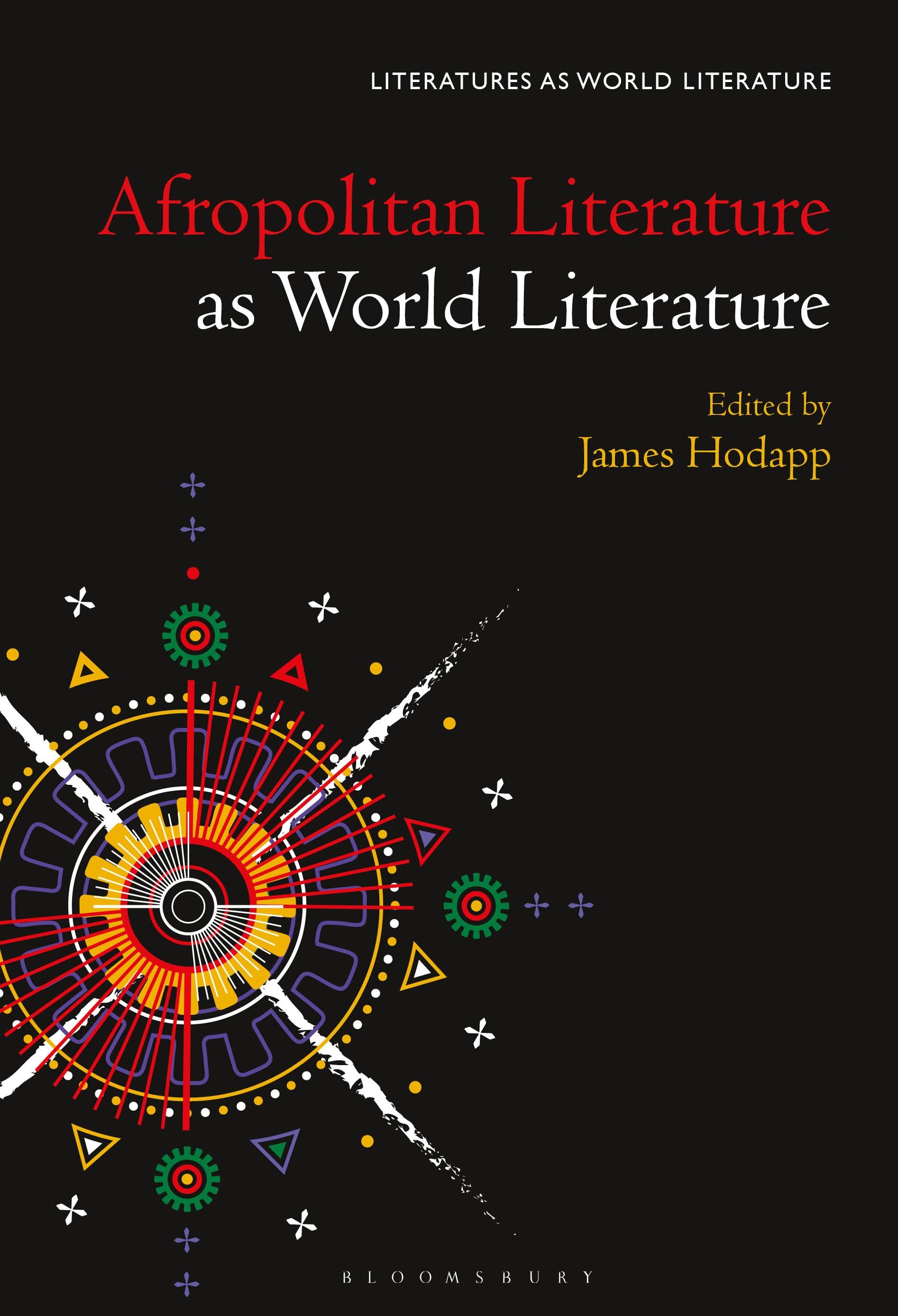
African literature has never been more visible than it is today. Whereas Chinua Achebe, Wole Soyinka, and Ngugi wa Thiong'o defined a golden generation of African writers in the 20th century, a new generation of “Afropolitan” writers including Chimamanda Adichie, Teju Cole, Taiye Selasi, and NoViolet Bulawayo have taken the world by storm by snatching up prestigious awards and selling millions of copies of their works.
But what is the new, increasingly fashionable and marketable, Afropolitan vision of Africa's place in the world that they offer? How does it differ from that of previous generations? Why do some dissent? Afropolitanism refuses to reinforce images of Africa in world media as merely poor, war-torn, diseased, and constantly falling into chaos. By complicating the image of Africa as a hapless victim, Afropolitanism focuses on the wide-ranging influence Africa has on the world. However, some have characterized this kind of writing as light, populist fare that panders to Western audiences.
Afropolitan Literature as World Literature examines the controversy surrounding Afropolitan literature in light of the unprecedented circulation of culture made possible by globalization, and ultimately argues for expanding its geographic and temporal boundaries.
But what is the new, increasingly fashionable and marketable, Afropolitan vision of Africa's place in the world that they offer? How does it differ from that of previous generations? Why do some dissent? Afropolitanism refuses to reinforce images of Africa in world media as merely poor, war-torn, diseased, and constantly falling into chaos. By complicating the image of Africa as a hapless victim, Afropolitanism focuses on the wide-ranging influence Africa has on the world. However, some have characterized this kind of writing as light, populist fare that panders to Western audiences.
Afropolitan Literature as World Literature examines the controversy surrounding Afropolitan literature in light of the unprecedented circulation of culture made possible by globalization, and ultimately argues for expanding its geographic and temporal boundaries.
Pagine: 248
Categoria: Kultur-, Genus- & Postkoloniala studier
e-ISBN: 9781501342592
Peso di spedizione: 1.2 kg
Spedito in: 1-2 giorni
Paga facilmente con carta, Klarna, Apple Pay o Google Pay. Non sei soddisfatto? Hai sempre 14 giorni per il rimborso. Leggi di più nei nostri termini. Per qualsiasi domanda, scrivici a hello@memmo.org.
Memmo rende lo studio più facile, ovunque tu sia nel mondo. Qui trovi i tuoi libri di testo e strumenti di studio intelligenti, tutto in un unico posto: riassunti, quiz, podcast e flashcard. E poi c'è Ted, il tuo compagno di studio che risponde a ogni tua domanda. Oltre 50.000 studenti studiano già qui: è stato creato per aiutarti a imparare più velocemente e a stressarti meno.