
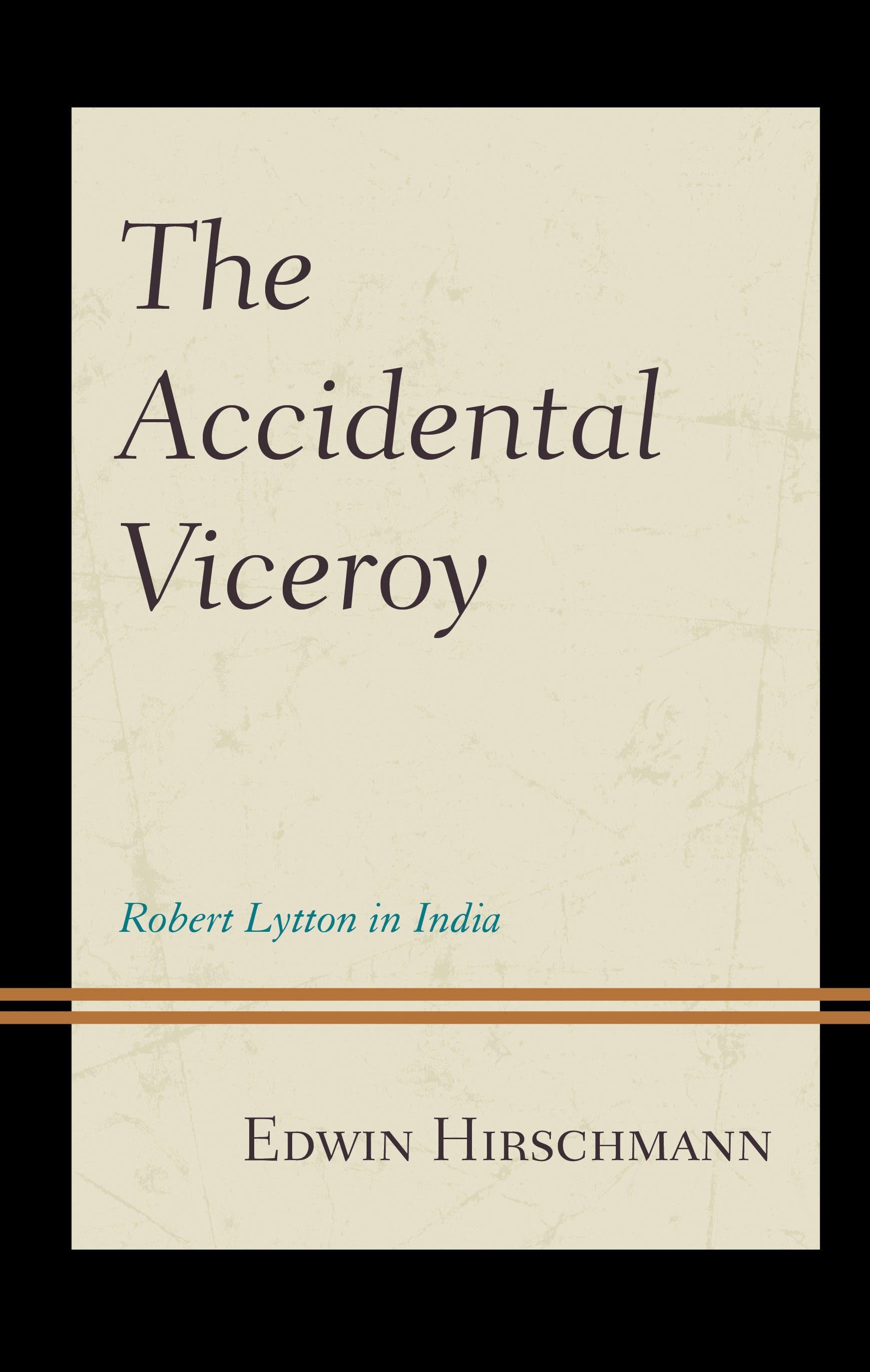
The Age of Imperialism reached its peak in the late nineteenth century. The British Empire was the foremost colonial power, and the keystone was India. However, even at its peak, the British Raj was beset by internal rivalries and fears of external threats. In 1875, British Prime Minister Benjamin Disraeli chose as viceroy Lord Robert Bulwer-Lytton, diplomat and poet, the son of an old friend, but someone with no Indian experience. Lytton accepted reluctantly—and never enjoyed it. He was under the thumb of the Secretary of State for India, the shrewd and ambitious Third Marquess of Salisbury, during most of his four years in India. During his viceroyalty, Lytton had to deal with shifting British policies, a major famine, the freedom-loving people of Afghanistan, an entrenched civil service, and a rising generation of patriotic Indians. In the 1880 elections, Disraeli’s Conservatives were defeated by Gladstone’s Liberals, and Lytton resigned.
Paga facilmente con carta, Klarna, Apple Pay o Google Pay. Non sei soddisfatto? Hai sempre 14 giorni per il rimborso. Leggi di più nei nostri termini. Per qualsiasi domanda, scrivici a hello@memmo.org.
Memmo rende lo studio più facile, ovunque tu sia nel mondo. Qui trovi i tuoi libri di testo e strumenti di studio intelligenti, tutto in un unico posto: riassunti, quiz, podcast e flashcard. E poi c'è Ted, il tuo compagno di studio che risponde a ogni tua domanda. Oltre 50.000 studenti studiano già qui: è stato creato per aiutarti a imparare più velocemente e a stressarti meno.