
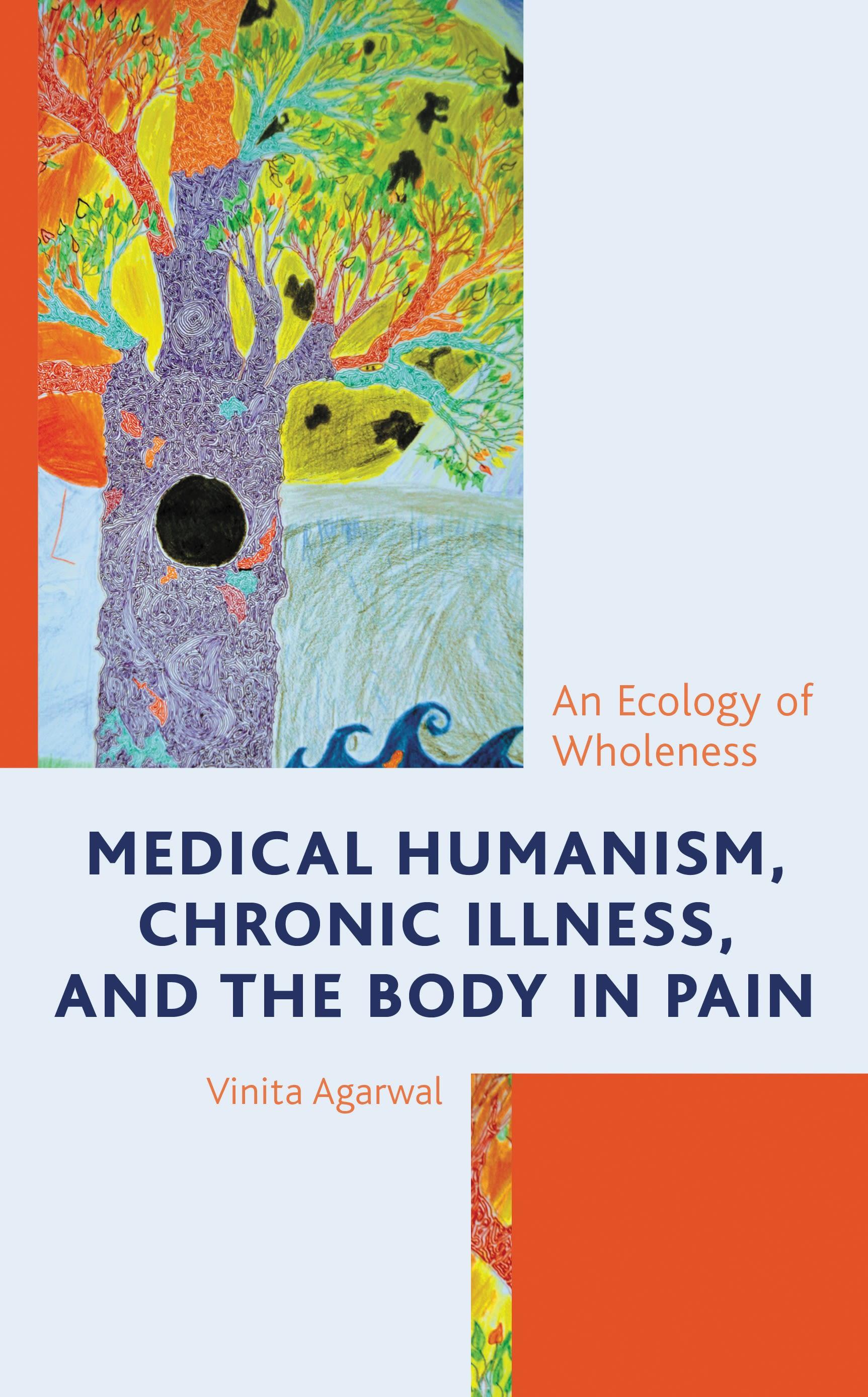
Even as life expectancies increase, increasing numbers of people are living with chronic illness and pain than ever before. Long-term self-management of chronic conditions involves negotiating the intersections of personal life choices, community and workplace structures, and family roles. Medical Humanism, Chronic Illness, and the Body in Pain: An Ecology of Wholeness proposes an ecological model of wholeness, which envisions wholeness in the dialogic engagement of the philosophical orientations of the biomedical and traditional medical systems. Vinita Agarwal proposes an integrative premise of being whole through revising the fundamental definitions of humanism, rethinking the self/body/environment, and thereby recognizing alternative ways of organizing knowledge and human experience as this model pushes the intersections of patient-centered care and sustainable health ethics. It is in the spaces of such intersections, Agarwal argues, that we accomplish healing as an integrative relationship of the individual with the multiple cultural logics underlying chronic conditions and the competing medical worldviews of our contemporary landscape. Scholars of communication, health, and medical humanities, along with practitioners working with patients who have chronic conditions, will find this book particularly useful.
Paga facilmente con carta, Klarna, Apple Pay o Google Pay. Non sei soddisfatto? Hai sempre 14 giorni per il rimborso. Leggi di più nei nostri termini. Per qualsiasi domanda, scrivici a hello@memmo.org.
Memmo rende lo studio più facile, ovunque tu sia nel mondo. Qui trovi i tuoi libri di testo e strumenti di studio intelligenti, tutto in un unico posto: riassunti, quiz, podcast e flashcard. E poi c'è Ted, il tuo compagno di studio che risponde a ogni tua domanda. Oltre 50.000 studenti studiano già qui: è stato creato per aiutarti a imparare più velocemente e a stressarti meno.