
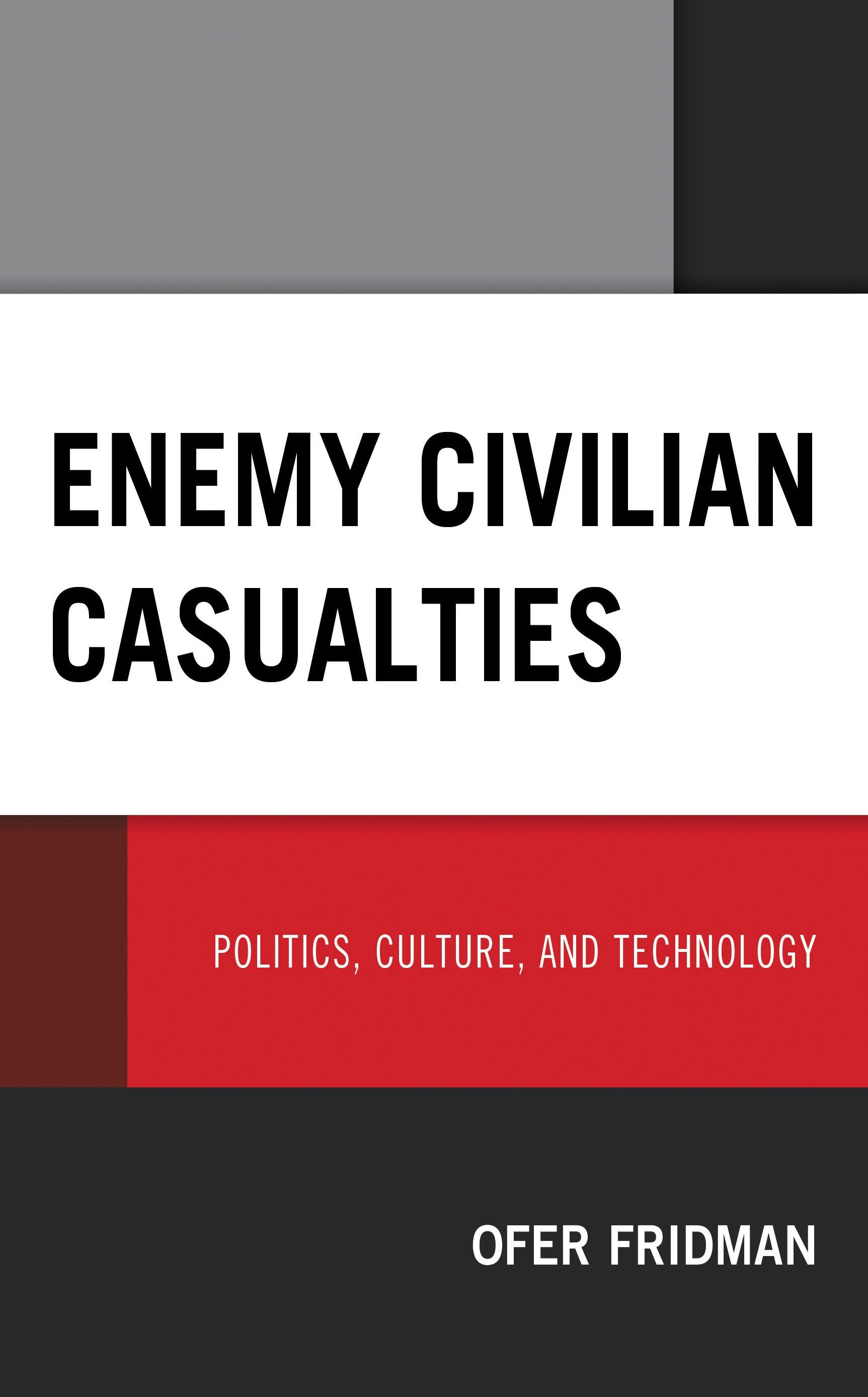
Civil casualties and collateral damage have been long considered as an undesired outcome of military activity that has to be reduced. While most of the contemporary discourse on this topic has been primarily concentrating on three main factors: the legal aspects of causing civil casualties, the impact of war on local population, and different factors of military professionalism required to avoid disproportional harm to civilians; this book asks an entirely different question. As the subject of civil casualties during military operations seems to be highly politicized, this book takes this discourse out of its usual niches and suggests that the indirect responsibility rests with the politicians and the public, which they represent. When a society, in the beginning of the 21st century, sends its troops to a battle, does it really care about the enemy civilian casualties? To answer this question, this book traces the political and cultural factors that have led to the failure of Non-Lethal Weapons – the great promise of the 1990s, which was intended to make the war significantly less lethal than it was known before. Examining three different cases, this study explains that the idea of minimizing civil casualties is no more than an illusion, and, in fact, neither politicians, nor societies, feel really stressed to change this situation.
Paga facilmente con carta, Klarna, Apple Pay o Google Pay. Non sei soddisfatto? Hai sempre 14 giorni per il rimborso. Leggi di più nei nostri termini. Per qualsiasi domanda, scrivici a hello@memmo.org.
Memmo rende lo studio più facile, ovunque tu sia nel mondo. Qui trovi i tuoi libri di testo e strumenti di studio intelligenti, tutto in un unico posto: riassunti, quiz, podcast e flashcard. E poi c'è Ted, il tuo compagno di studio che risponde a ogni tua domanda. Oltre 50.000 studenti studiano già qui: è stato creato per aiutarti a imparare più velocemente e a stressarti meno.