
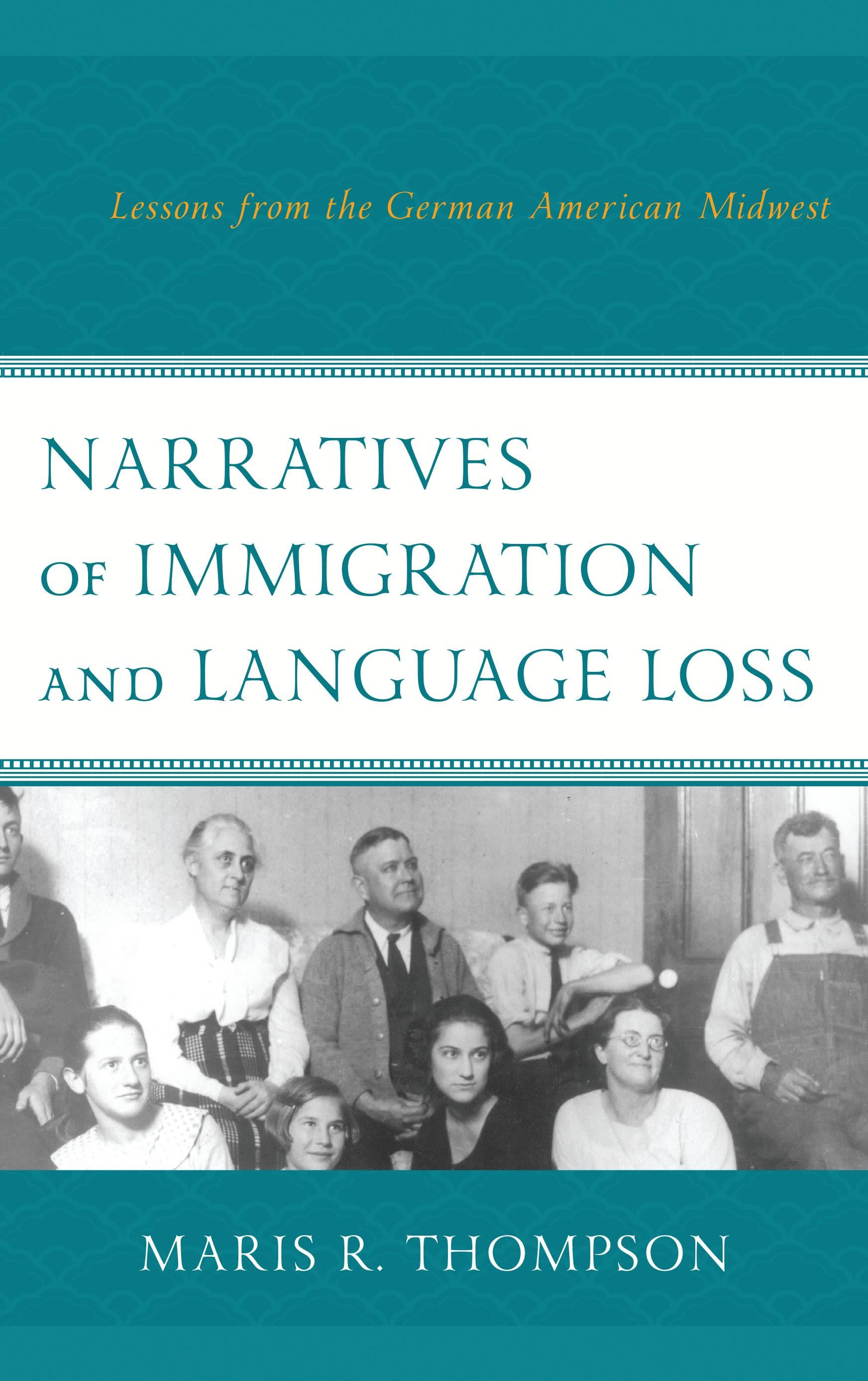
This book examines narratives of anti-German sentiment and language loss from German American communities in southwestern, Illinois. During World War I and II, government sponsored Americanization campaigns brought an abrupt end to German speaking practices in many communities across the Midwest. The narratives and the sociolinguistic practices around their telling detail the experiences of people who were singled out because of their ethnicity and bilingualism and the consequences these experiences had for their families. This work considers how contexts of discrimination informed constructions of the past that people could live with and the impact of these contexts on their beliefs about language and belonging. In addition to stories of past experience, this work also explores narratives of the present. New immigrants are moving to the region for work in local industries and their presence is regarded cautiously by German origin residents. Narrative constructions about new immigrants are considered in light of these shifting demographics and local histories of anti-German sentiment with significant implications for the future of social relationships in these communities.
Paga facilmente con carta, Klarna, Apple Pay o Google Pay. Non sei soddisfatto? Hai sempre 14 giorni per il rimborso. Leggi di più nei nostri termini. Per qualsiasi domanda, scrivici a hello@memmo.org.
Memmo rende lo studio più facile, ovunque tu sia nel mondo. Qui trovi i tuoi libri di testo e strumenti di studio intelligenti, tutto in un unico posto: riassunti, quiz, podcast e flashcard. E poi c'è Ted, il tuo compagno di studio che risponde a ogni tua domanda. Oltre 50.000 studenti studiano già qui: è stato creato per aiutarti a imparare più velocemente e a stressarti meno.