
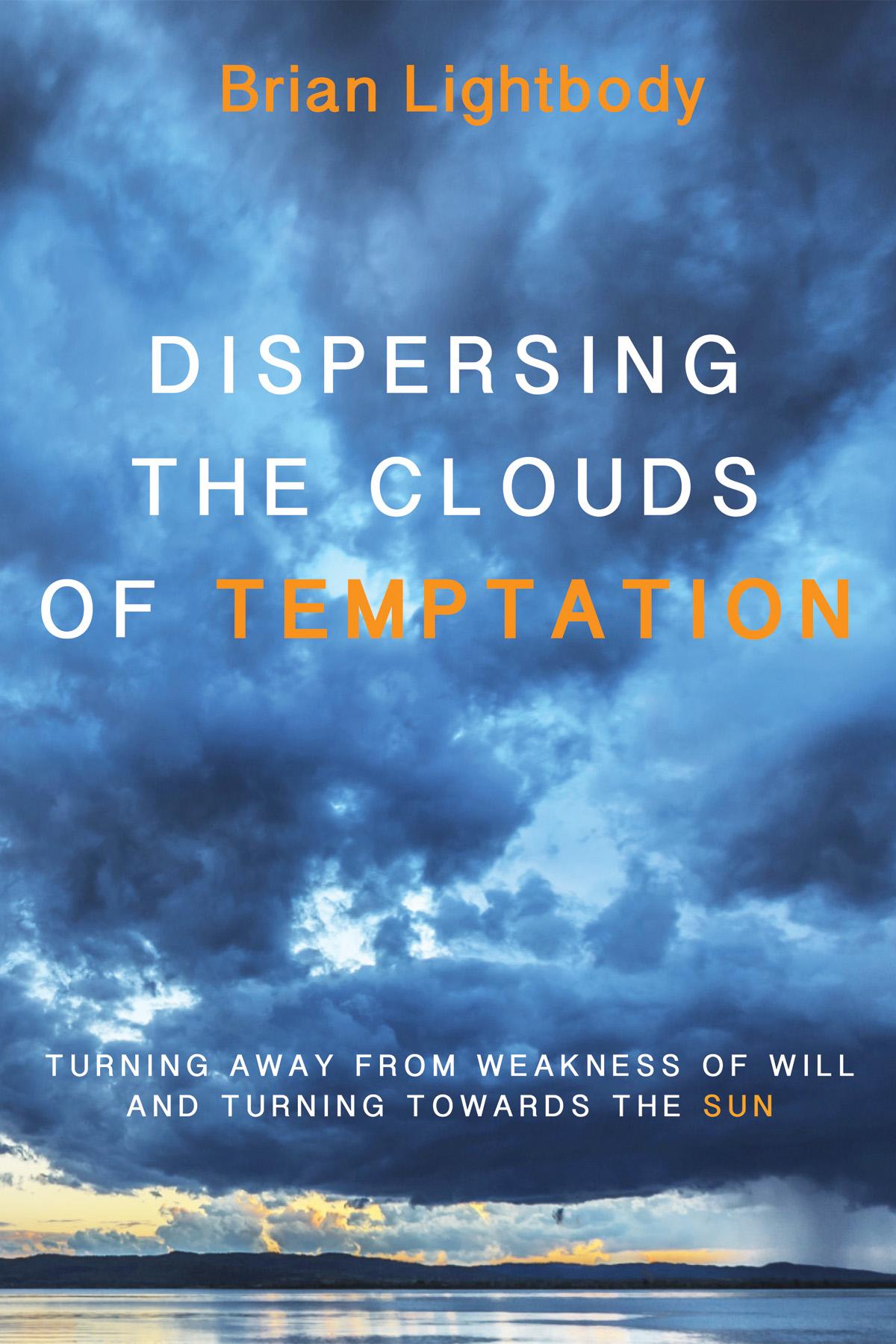
In Romans 7:14-25, Paul declares, "For I do not do the good I want, but the evil I do not want, is what I do" (KJV). St. Paul's statement is a universal truth for all human beings; humans--whether Christians, Jews, Muslims, Buddhists, Hindus, or atheists--are prone to committing free actions that are not "good." Furthermore, and irrespective of how we might construe the notion of "good" (whether as acting in accordance with some religious or spiritual precept or simply doing what is in one's best interest), we often knowingly and freely choose actions that may, or in fact do, harm us. There is a name given to such actions. We call them "weak-willed."
"Weakness of will," or akrasia, has perplexed philosophers, theologians, and laypersons alike for centuries. This book reveals why the idea has caused so much bafflement and consternation for so many. The main thrust of the work, however, is to illuminate and inspire: Lightbody seeks to demonstrate, concretely, how and why we are weak-willed. By extracting an "alchemical touchstone" from Plato's middle period philosophy, Lightbody, in addition, reveals how we may transmute harmful appetites into life-edifying passions.
Paga facilmente con carta, Klarna, Apple Pay o Google Pay. Non sei soddisfatto? Hai sempre 14 giorni per il rimborso. Leggi di più nei nostri termini. Per qualsiasi domanda, scrivici a hello@memmo.org.
Memmo rende lo studio più facile, ovunque tu sia nel mondo. Qui trovi i tuoi libri di testo e strumenti di studio intelligenti, tutto in un unico posto: riassunti, quiz, podcast e flashcard. E poi c'è Ted, il tuo compagno di studio che risponde a ogni tua domanda. Oltre 50.000 studenti studiano già qui: è stato creato per aiutarti a imparare più velocemente e a stressarti meno.
Potrebbe interessarti anche
Acquista il libro0