
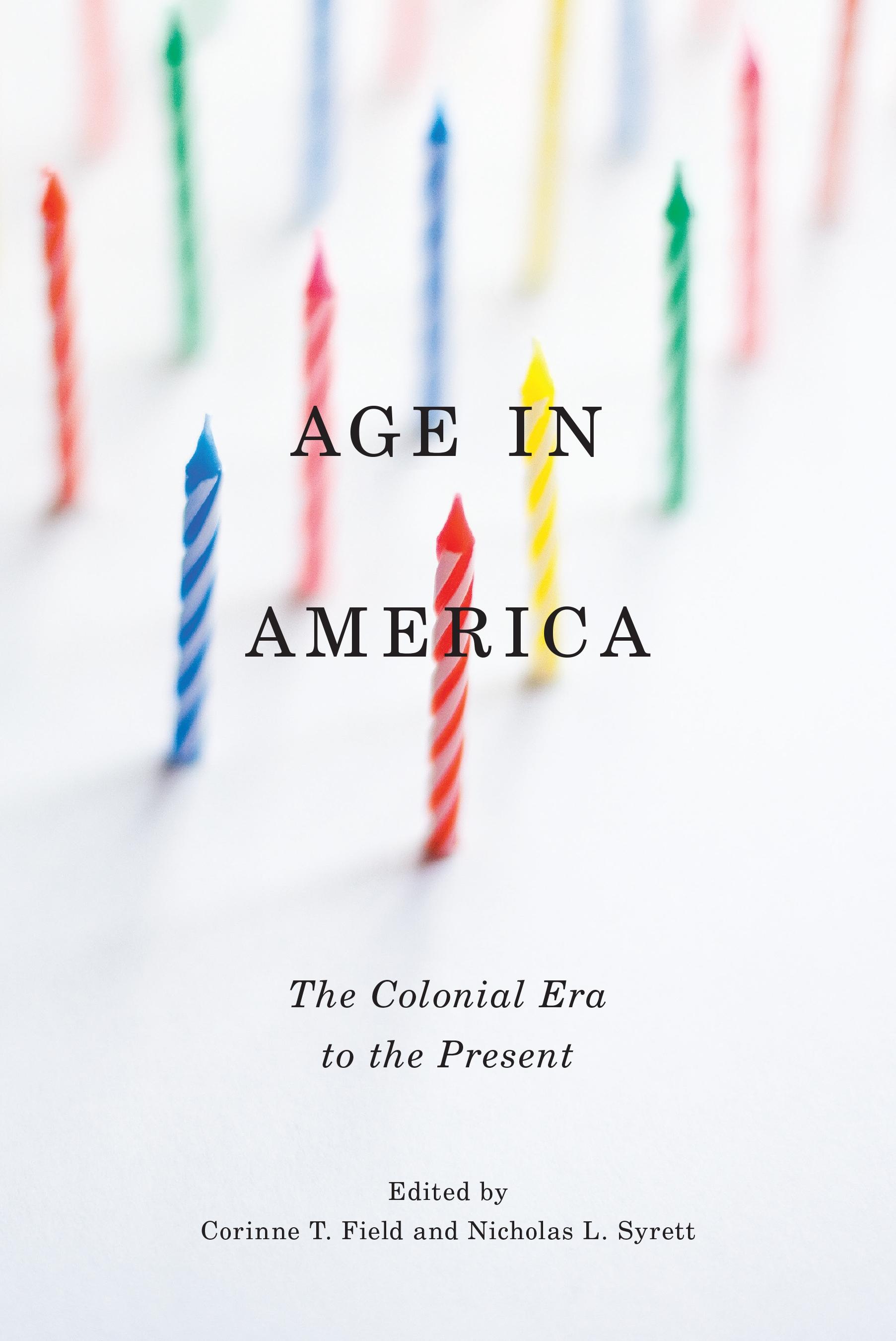
Eighteen. Twenty-one. Sixty-five. In America today, we recognize these numbers as key transitions in our lives—precise moments when our rights and opportunities change—when we become eligible to cast a vote, buy a drink, or enroll in Medicare. This volume brings together scholars of childhood, adulthood, and old age to explore how and why particular ages have come to define the rights and obligations of American citizens.
Since the founding of the nation, Americans have relied on chronological age to determine matters as diverse as who can marry, work, be enslaved, drive a car, or qualify for a pension. Contributors to this volume explore what meanings people in the past ascribed to specific ages and whether or not earlier Americans believed the same things about particular ages as we do. The means by which Americans imposed chronological boundaries upon the variable process of growing up and growing old offers a paradigmatic example of how people construct cultural meaning and social hierarchy from embodied experience. Further, chronological age always intersects with other socially constructed categories such as gender, race, and sexuality. Ranging from the seventeenth century to the present, taking up a variety of distinct subcultures—from frontier children and antebellum slaves to twentieth-century Latinas—Age in America makes a powerful case that age has always been a key index of citizenship.
Paga facilmente con carta, Klarna, Apple Pay o Google Pay. Non sei soddisfatto? Hai sempre 14 giorni per il rimborso. Leggi di più nei nostri termini. Per qualsiasi domanda, scrivici a hello@memmo.org.
Memmo rende lo studio più facile, ovunque tu sia nel mondo. Qui trovi i tuoi libri di testo e strumenti di studio intelligenti, tutto in un unico posto: riassunti, quiz, podcast e flashcard. E poi c'è Ted, il tuo compagno di studio che risponde a ogni tua domanda. Oltre 50.000 studenti studiano già qui: è stato creato per aiutarti a imparare più velocemente e a stressarti meno.