
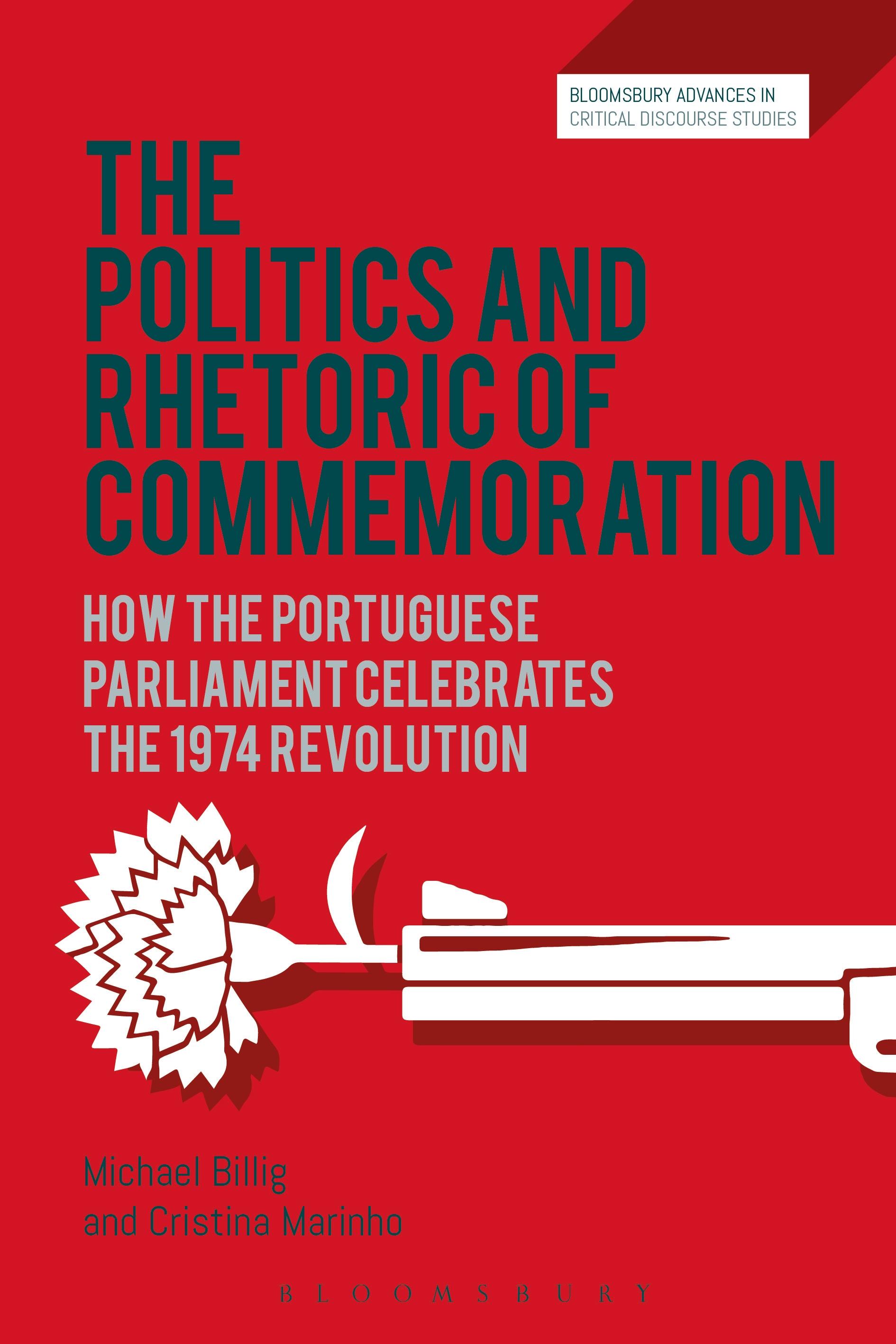
In recent years there has been much interest in collective memory and commemoration. It is often assumed that when nations celebrate a historic day, they put aside the divisions of the present to recall the past in a spirit of unity. As Billig and Marinho show, this does not apply to the Portuguese parliament's annual celebration of 25 April 1974, the day when the dictatorship, established by Salazar and continued by Caetano, was finally overthrown. Most speakers at the ceremony say little about the actual events of the day itself; and in their speeches they continue with the partisan politics of the present as combatively as ever.
To understand this, the authors examine in detail how the members of parliament do politics within the ceremony of remembrance; how they engage in remembering and forgetting the great day; how they use the low rhetoric of manipulation and point-scoring, as well as high-minded political rhetoric. The book stresses that the members of the audience contribute to the meaning of the ceremony by their partisan displays of approval and disapproval. Throughout, the authors demonstrate that, to uncover the deeper meanings of political rhetoric, it is necessary to take note of significant absences.
The Politics and Rhetoric of Commemoration illustrates how an in-depth case-study can be invaluable for understanding wider processes. The authors are not content just to uncover unnoticed features of the Portuguese celebration. They use the particular example to provide original insights about the rhetoric of celebrating and the politics of remembering, as well as throwing new light onto the nature of party political discourse.
To understand this, the authors examine in detail how the members of parliament do politics within the ceremony of remembrance; how they engage in remembering and forgetting the great day; how they use the low rhetoric of manipulation and point-scoring, as well as high-minded political rhetoric. The book stresses that the members of the audience contribute to the meaning of the ceremony by their partisan displays of approval and disapproval. Throughout, the authors demonstrate that, to uncover the deeper meanings of political rhetoric, it is necessary to take note of significant absences.
The Politics and Rhetoric of Commemoration illustrates how an in-depth case-study can be invaluable for understanding wider processes. The authors are not content just to uncover unnoticed features of the Portuguese celebration. They use the particular example to provide original insights about the rhetoric of celebrating and the politics of remembering, as well as throwing new light onto the nature of party political discourse.
Paga facilmente con carta, Klarna, Apple Pay o Google Pay. Non sei soddisfatto? Hai sempre 14 giorni per il rimborso. Leggi di più nei nostri termini. Per qualsiasi domanda, scrivici a hello@memmo.org.
Memmo rende lo studio più facile, ovunque tu sia nel mondo. Qui trovi i tuoi libri di testo e strumenti di studio intelligenti, tutto in un unico posto: riassunti, quiz, podcast e flashcard. E poi c'è Ted, il tuo compagno di studio che risponde a ogni tua domanda. Oltre 50.000 studenti studiano già qui: è stato creato per aiutarti a imparare più velocemente e a stressarti meno.