
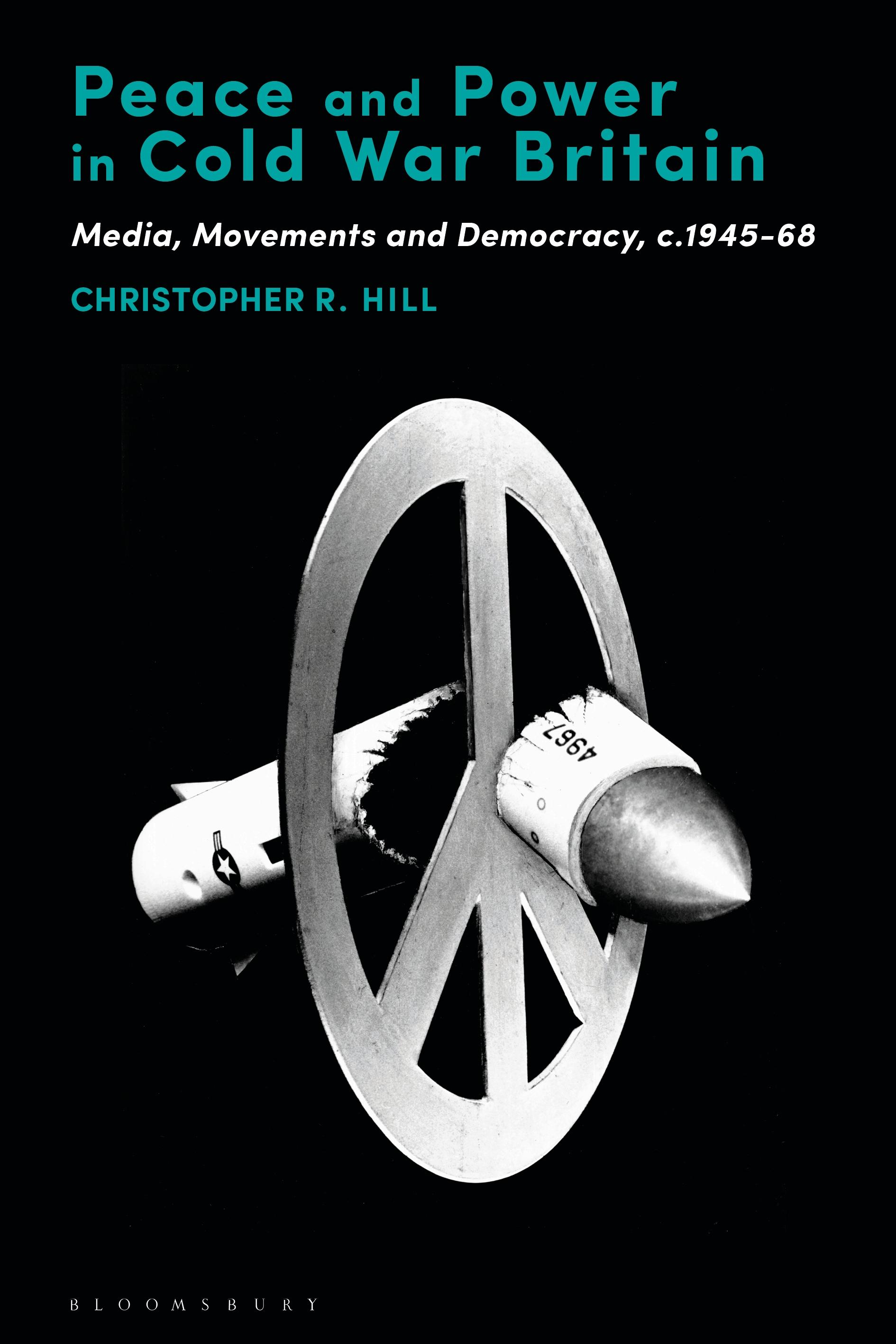
Peace and Power in Cold War Britain explores the ban the bomb and anti-Vietnam War movements from the perspective of media history, focusing in particular on the relationship between radicalism and the rise of television. In doing so, it addresses two questions, both of which seem to recur with each major breakthrough in communications technology: what do advances in communications media mean for democratic participation in politics and how do distinctive types of media condition the very nature of that participation itself?
In answering these, the book views the ban the bomb and anti-Vietnam War movements in relation to communication power and media discourse. It highlights how these movements intersected with parts of public life that were being transformed by television themselves, shaping struggles for social change among activists and public intellectuals on the streets, in the Labour Party and in the law courts.
The significance of this relationship between media and movements was complex and wide-ranging. Christopher R. Hill demonstrates that it contributed to the enrichment of democracy in Cold War Britain, with radicals serving to innovate and pioneer creative forms of political expression from both in and outside of media organisations. However, the movements increasingly succumbed to news coverage and values that revolved around human interest and violence, feeding into the revolutionary spectacle of 1968 and the turn towards identity politics.
In answering these, the book views the ban the bomb and anti-Vietnam War movements in relation to communication power and media discourse. It highlights how these movements intersected with parts of public life that were being transformed by television themselves, shaping struggles for social change among activists and public intellectuals on the streets, in the Labour Party and in the law courts.
The significance of this relationship between media and movements was complex and wide-ranging. Christopher R. Hill demonstrates that it contributed to the enrichment of democracy in Cold War Britain, with radicals serving to innovate and pioneer creative forms of political expression from both in and outside of media organisations. However, the movements increasingly succumbed to news coverage and values that revolved around human interest and violence, feeding into the revolutionary spectacle of 1968 and the turn towards identity politics.
Paga facilmente con carta, Klarna, Apple Pay o Google Pay. Non sei soddisfatto? Hai sempre 14 giorni per il rimborso. Leggi di più nei nostri termini. Per qualsiasi domanda, scrivici a hello@memmo.org.
Memmo rende lo studio più facile, ovunque tu sia nel mondo. Qui trovi i tuoi libri di testo e strumenti di studio intelligenti, tutto in un unico posto: riassunti, quiz, podcast e flashcard. E poi c'è Ted, il tuo compagno di studio che risponde a ogni tua domanda. Oltre 50.000 studenti studiano già qui: è stato creato per aiutarti a imparare più velocemente e a stressarti meno.