
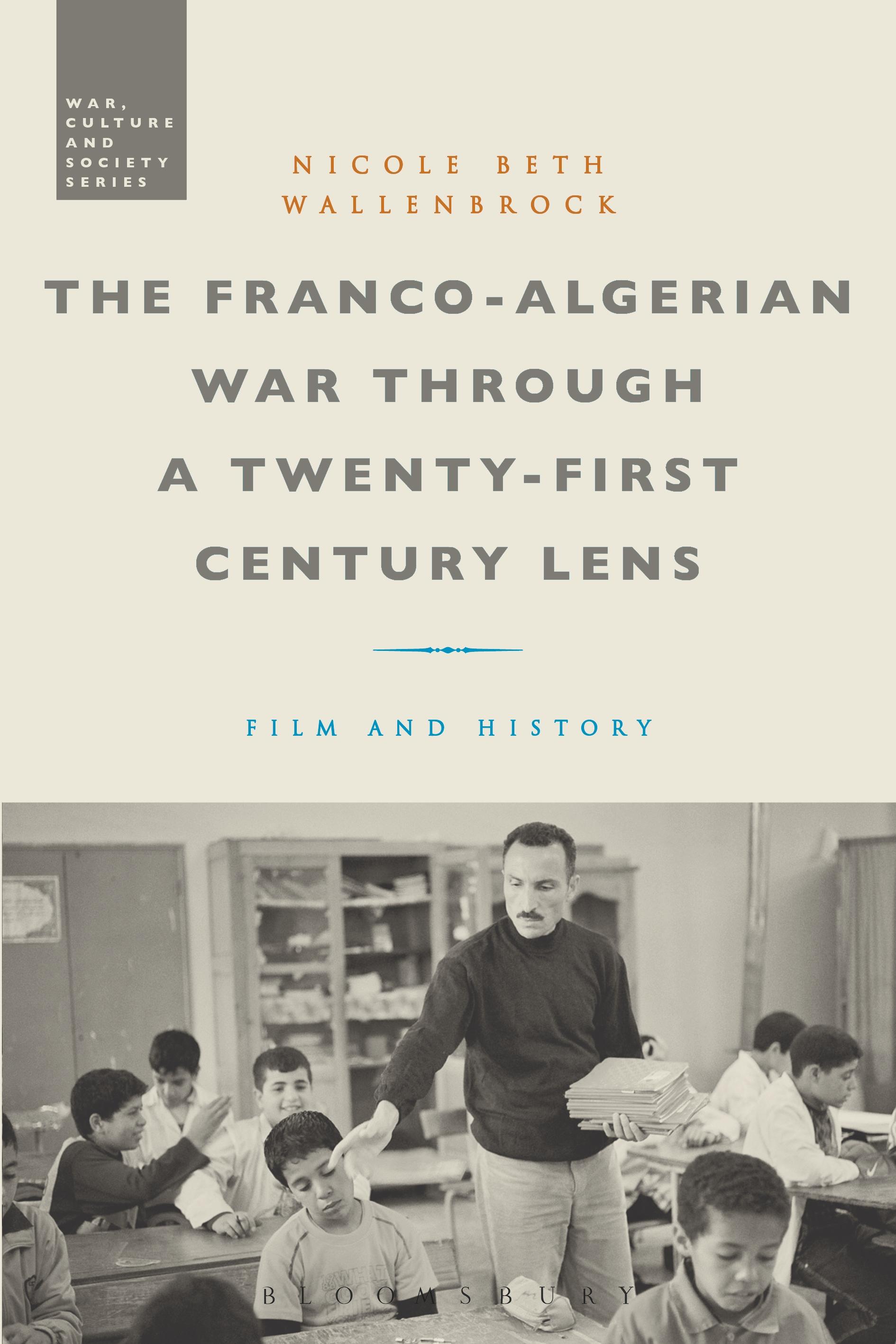
The Franco-Algerian War (1954–62) remains a powerful international symbol of Third Worldism and the finality of Empire. Through its nuanced analysis of the war's depiction in film, The Franco-Algerian War through a Twenty-First Century Lens locates an international reckoning with history that both condemns and exonerates past generations.
Algerian and French production partnerships-such as Hors-la-loi, (Outside the Law, Rachid Bouchareb, 2010) and Loubia Hamra (Bloody Beans, Narimane Mari, 2013)-are one of several ways citizens collaborate to unearth a shared history and its legacy. Nicole Beth Wallenbrock probes cinematic discourse to shed new light on topics including: the media revelation of torture and atomic bomb tests; immigration's role in the evolution of the war's meaning; and the complex relationship of the intertwined film cultures. The first chapter summarizes the Franco-Algerian War in 20th-century film, thus grounding subsequent queries with Algeria's moudjahid or freedom-fighter films and the French new wave's perceived disinterest in the conflict.
This book is an invaluable resource for scholars seeking to understand cinema's role in re-evaluating war and reconstructing international memory.
Algerian and French production partnerships-such as Hors-la-loi, (Outside the Law, Rachid Bouchareb, 2010) and Loubia Hamra (Bloody Beans, Narimane Mari, 2013)-are one of several ways citizens collaborate to unearth a shared history and its legacy. Nicole Beth Wallenbrock probes cinematic discourse to shed new light on topics including: the media revelation of torture and atomic bomb tests; immigration's role in the evolution of the war's meaning; and the complex relationship of the intertwined film cultures. The first chapter summarizes the Franco-Algerian War in 20th-century film, thus grounding subsequent queries with Algeria's moudjahid or freedom-fighter films and the French new wave's perceived disinterest in the conflict.
This book is an invaluable resource for scholars seeking to understand cinema's role in re-evaluating war and reconstructing international memory.
Paga facilmente con carta, Klarna, Apple Pay o Google Pay. Non sei soddisfatto? Hai sempre 14 giorni per il rimborso. Leggi di più nei nostri termini. Per qualsiasi domanda, scrivici a hello@memmo.org.
Memmo rende lo studio più facile, ovunque tu sia nel mondo. Qui trovi i tuoi libri di testo e strumenti di studio intelligenti, tutto in un unico posto: riassunti, quiz, podcast e flashcard. E poi c'è Ted, il tuo compagno di studio che risponde a ogni tua domanda. Oltre 50.000 studenti studiano già qui: è stato creato per aiutarti a imparare più velocemente e a stressarti meno.