
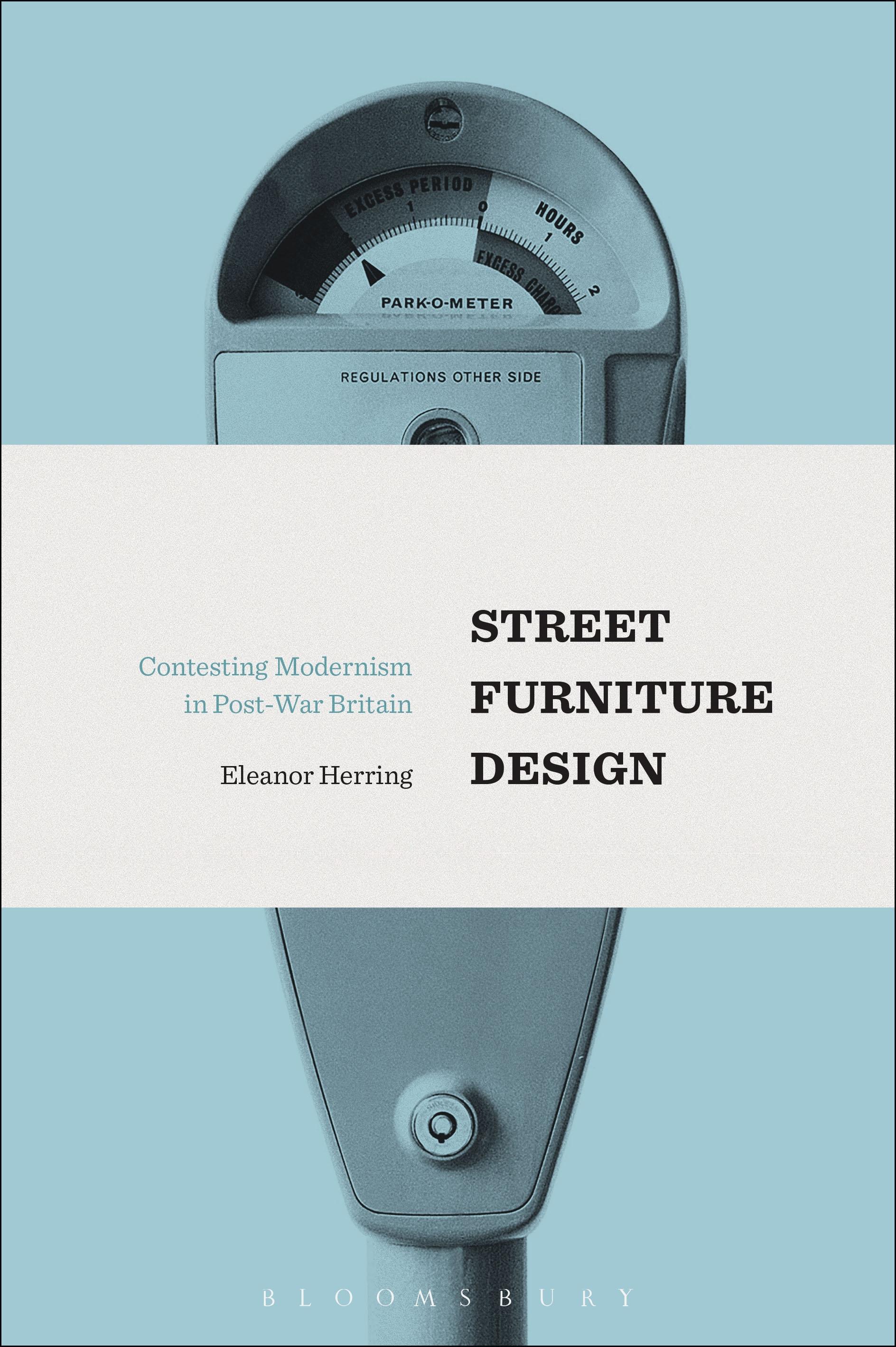
Eleanor Herring's unique study of street furniture in post-war Britain considers how objects which are now familiar parts of our urban environment were designed to populate public spaces. Herring explores the design of lampposts, post boxes, parking meters, and signage in the context of a government backed by various bodies keen to propagate 'good' modern design, in a Britain whose towns and cities had been laid waste by bombing and the privations of war.
She also considers the innate conservatism of local communities and councils, wary of a standardised street design imposed from above. She traces how the design of street furniture became the site of a fierce struggle which exposed deep-seated anxieties about class, taste and power. Herring's original research draws on archival material and on interviews with leading figures in urban design, including graphic designer Margaret Calvert and industrial designer Kenneth Grange.
She also considers the innate conservatism of local communities and councils, wary of a standardised street design imposed from above. She traces how the design of street furniture became the site of a fierce struggle which exposed deep-seated anxieties about class, taste and power. Herring's original research draws on archival material and on interviews with leading figures in urban design, including graphic designer Margaret Calvert and industrial designer Kenneth Grange.
Paga facilmente con carta, Klarna, Apple Pay o Google Pay. Non sei soddisfatto? Hai sempre 14 giorni per il rimborso. Leggi di più nei nostri termini. Per qualsiasi domanda, scrivici a hello@memmo.org.
Memmo rende lo studio più facile, ovunque tu sia nel mondo. Qui trovi i tuoi libri di testo e strumenti di studio intelligenti, tutto in un unico posto: riassunti, quiz, podcast e flashcard. E poi c'è Ted, il tuo compagno di studio che risponde a ogni tua domanda. Oltre 50.000 studenti studiano già qui: è stato creato per aiutarti a imparare più velocemente e a stressarti meno.