
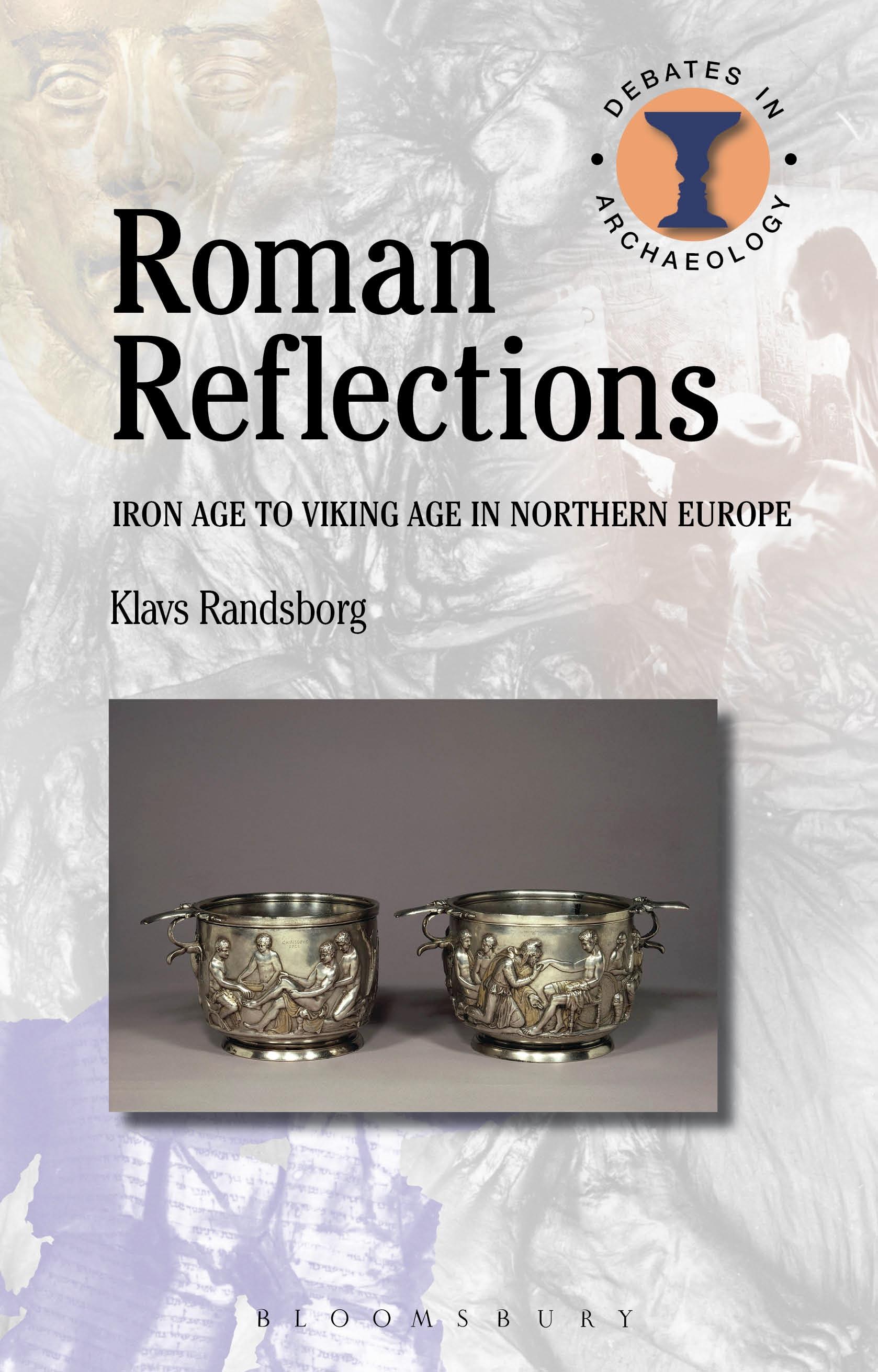
Roman Reflections uses a series of detailed and deeply researched case studies to explore how Roman society connected with and influenced Northern Europe during the Iron and Viking Ages. In an original way, the book brings late prehistoric Denmark – best known for its so-called 'bog bodies' – into a world dominated by textual histories, principally that of Tacitus.
The studies include a new examination of the bog-bodies of the late first millennium BC, a classical archaeological puzzle: men, women and children murdered yet respected in death and adorned with items of fine clothing. A second essay challenges traditionally held ideas about the Cimbri by exploring the textual and archaeological evidence, including the startling and famous European artefact, the Gundestrup silver cauldron. The other studies comprise an archaeologically founded modernist discussion of the ethnography of Tacitus' Germania, in particular considering the character of ancient Germanic Bronze and Iron Age societies; a linguistic exploration of the Latin inheritance in northern European names and places, much of which seems to have been invented by the Romans; and an analysis of the origins of the Danes.
Throughout, traditional sources and history are presented in conjunction with new archaeological observations and interpretations. In an accessible way, Roman Reflections assesses Denmark's part on a larger stage, showing how foundations were laid for its zenith in Viking times.
The studies include a new examination of the bog-bodies of the late first millennium BC, a classical archaeological puzzle: men, women and children murdered yet respected in death and adorned with items of fine clothing. A second essay challenges traditionally held ideas about the Cimbri by exploring the textual and archaeological evidence, including the startling and famous European artefact, the Gundestrup silver cauldron. The other studies comprise an archaeologically founded modernist discussion of the ethnography of Tacitus' Germania, in particular considering the character of ancient Germanic Bronze and Iron Age societies; a linguistic exploration of the Latin inheritance in northern European names and places, much of which seems to have been invented by the Romans; and an analysis of the origins of the Danes.
Throughout, traditional sources and history are presented in conjunction with new archaeological observations and interpretations. In an accessible way, Roman Reflections assesses Denmark's part on a larger stage, showing how foundations were laid for its zenith in Viking times.
Paga facilmente con carta, Klarna, Apple Pay o Google Pay. Non sei soddisfatto? Hai sempre 14 giorni per il rimborso. Leggi di più nei nostri termini. Per qualsiasi domanda, scrivici a hello@memmo.org.
Memmo rende lo studio più facile, ovunque tu sia nel mondo. Qui trovi i tuoi libri di testo e strumenti di studio intelligenti, tutto in un unico posto: riassunti, quiz, podcast e flashcard. E poi c'è Ted, il tuo compagno di studio che risponde a ogni tua domanda. Oltre 50.000 studenti studiano già qui: è stato creato per aiutarti a imparare più velocemente e a stressarti meno.