
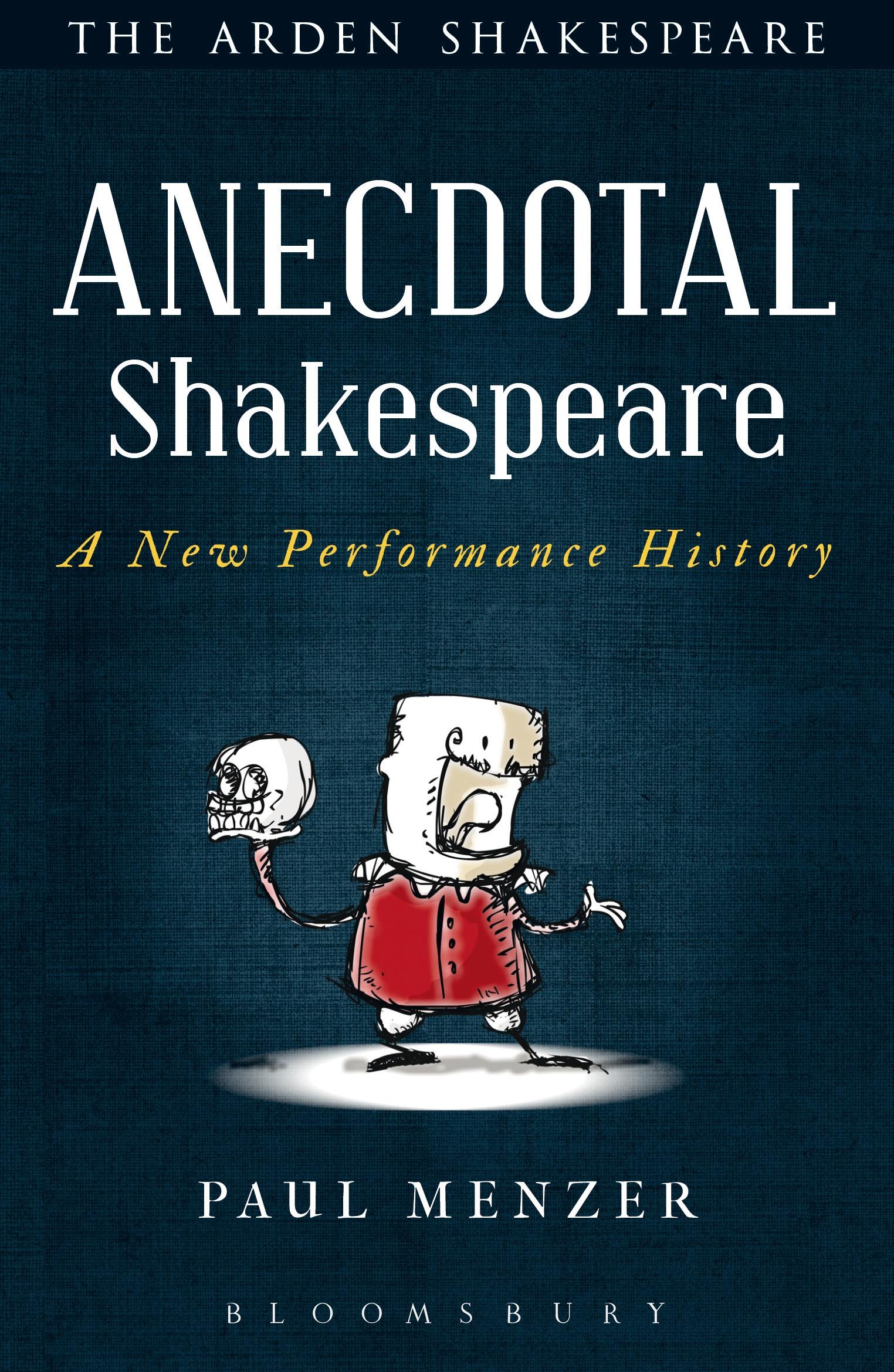
Shakespeare's four-hundred-year performance history is full of anecdotes – ribald, trivial, frequently funny, sometimes disturbing, and always but loosely allegiant to fact. Such anecdotes are nevertheless a vital index to the ways that Shakespeare's plays have generated meaning across varied times and in varied places. Furthermore, particular plays have produced particular anecdotes – stories of a real skull in Hamlet, superstitions about the name Macbeth, toga troubles in Julius Caesar – and therefore express something embedded in the plays they attend. Anecdotes constitute then not just a vital component of a play's performance history but a form of vernacular criticism by the personnel most intimately involved in their production: actors. These anecdotes are therefore every bit as responsive to and expressive of a play's meanings across time as the equally rich history of Shakespearean criticism or indeed the very performances these anecdotes treat. Anecdotal Shakespeare provides a history of post-Renaissance Shakespeare and performance, one not based in fact but no less full of truth.
Paga facilmente con carta, Klarna, Apple Pay o Google Pay. Non sei soddisfatto? Hai sempre 14 giorni per il rimborso. Leggi di più nei nostri termini. Per qualsiasi domanda, scrivici a hello@memmo.org.
Memmo rende lo studio più facile, ovunque tu sia nel mondo. Qui trovi i tuoi libri di testo e strumenti di studio intelligenti, tutto in un unico posto: riassunti, quiz, podcast e flashcard. E poi c'è Ted, il tuo compagno di studio che risponde a ogni tua domanda. Oltre 50.000 studenti studiano già qui: è stato creato per aiutarti a imparare più velocemente e a stressarti meno.