
This book is available as open access through the Bloomsbury Open Access programme and is available on www.bloomsburycollections.com.
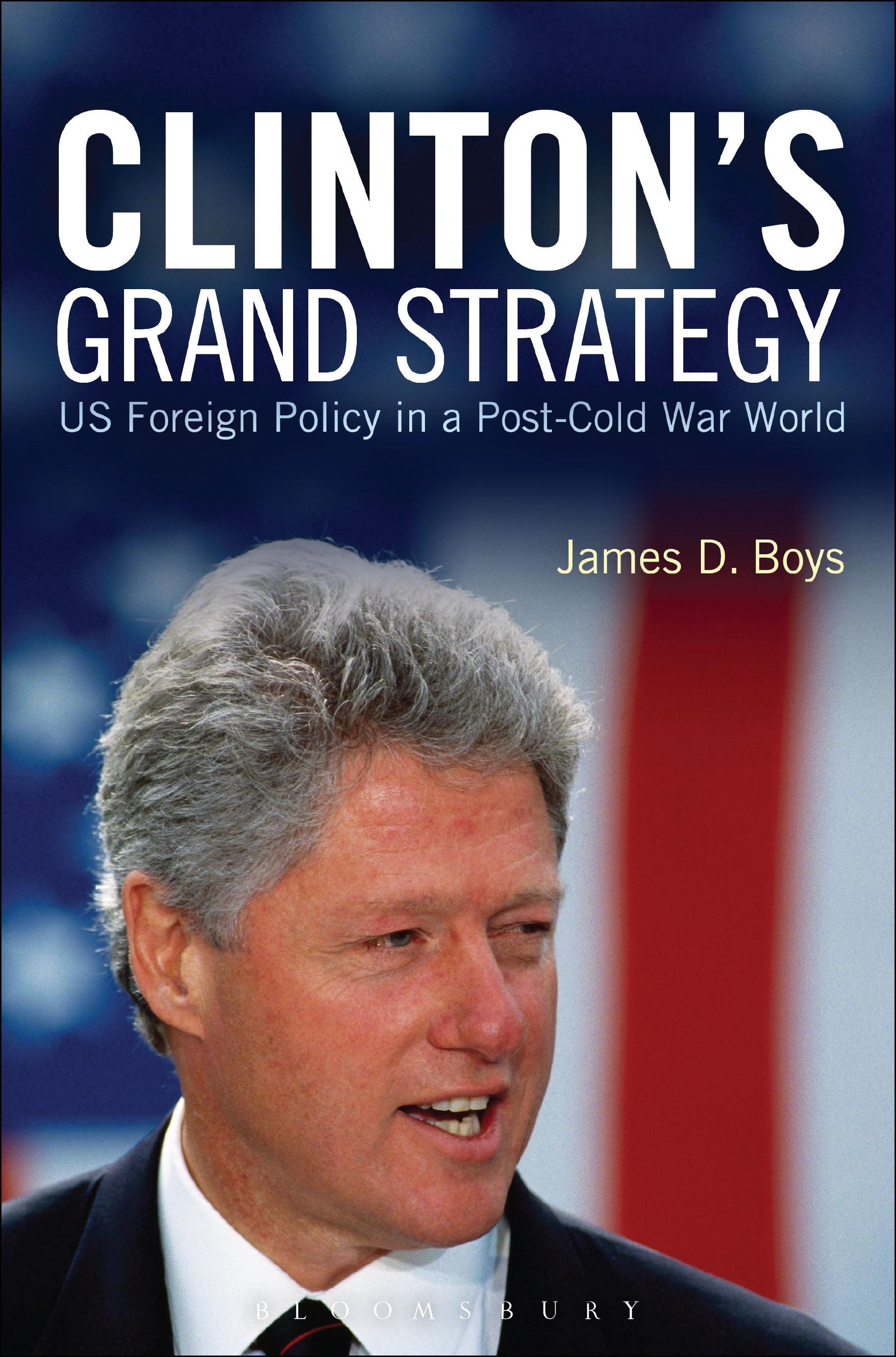
President Clinton's time in office coincided with historic global events following the end of the Cold War. The collapse of Communism called for a new US Grand Strategy to address the emerging geopolitical era that brought upheavals in Somalia and the Balkans, economic challenges in Mexico and Europe and the emergence of new entities such as the EU, NAFTA and the WTO. Clinton's handling of these events was crucial to the development of world politics at the dawn of the twenty-first century. Only by understanding Clinton's efforts to address the challenges of the post-Cold War era can we understand the strategies of his immediate successors, George W. Bush and Barack Obama, both of whom inherited and continued Clinton-era policies and practices.
James D. Boys sheds new light on the evolution and execution of US Grand Strategy from 1993 to 2001. He explores the manner in which policy was devised and examines the actors responsible for its development, including Bill Clinton, Anthony Lake, Samuel Berger, Warren Christopher, Madeline Albright and Richard Holbrook. He examines the core components of the strategy (National Security, Prosperity Promotion and Democracy Promotion) and how they were implemented, revealing a hitherto unexplored continuity from campaign trail to the White House.
Covering the entire duration of Clinton's presidential odyssey, from his 1991 Announcement Speech to his final day in office, the book draws extensively on newly declassified primary materials and interviews by the author with key members of the Clinton administration to reveal for the first time the development and implementation of US Grand Strategy from deep within the West Wing of the Clinton White House.
President Clinton's time in office coincided with historic global events following the end of the Cold War. The collapse of Communism called for a new US Grand Strategy to address the emerging geopolitical era that brought upheavals in Somalia and the Balkans, economic challenges in Mexico and Europe and the emergence of new entities such as the EU, NAFTA and the WTO. Clinton's handling of these events was crucial to the development of world politics at the dawn of the twenty-first century. Only by understanding Clinton's efforts to address the challenges of the post-Cold War era can we understand the strategies of his immediate successors, George W. Bush and Barack Obama, both of whom inherited and continued Clinton-era policies and practices.
James D. Boys sheds new light on the evolution and execution of US Grand Strategy from 1993 to 2001. He explores the manner in which policy was devised and examines the actors responsible for its development, including Bill Clinton, Anthony Lake, Samuel Berger, Warren Christopher, Madeline Albright and Richard Holbrook. He examines the core components of the strategy (National Security, Prosperity Promotion and Democracy Promotion) and how they were implemented, revealing a hitherto unexplored continuity from campaign trail to the White House.
Covering the entire duration of Clinton's presidential odyssey, from his 1991 Announcement Speech to his final day in office, the book draws extensively on newly declassified primary materials and interviews by the author with key members of the Clinton administration to reveal for the first time the development and implementation of US Grand Strategy from deep within the West Wing of the Clinton White House.
Paga facilmente con carta, Klarna, Apple Pay o Google Pay. Non sei soddisfatto? Hai sempre 14 giorni per il rimborso. Leggi di più nei nostri termini. Per qualsiasi domanda, scrivici a hello@memmo.org.
Memmo rende lo studio più facile, ovunque tu sia nel mondo. Qui trovi i tuoi libri di testo e strumenti di studio intelligenti, tutto in un unico posto: riassunti, quiz, podcast e flashcard. E poi c'è Ted, il tuo compagno di studio che risponde a ogni tua domanda. Oltre 50.000 studenti studiano già qui: è stato creato per aiutarti a imparare più velocemente e a stressarti meno.