
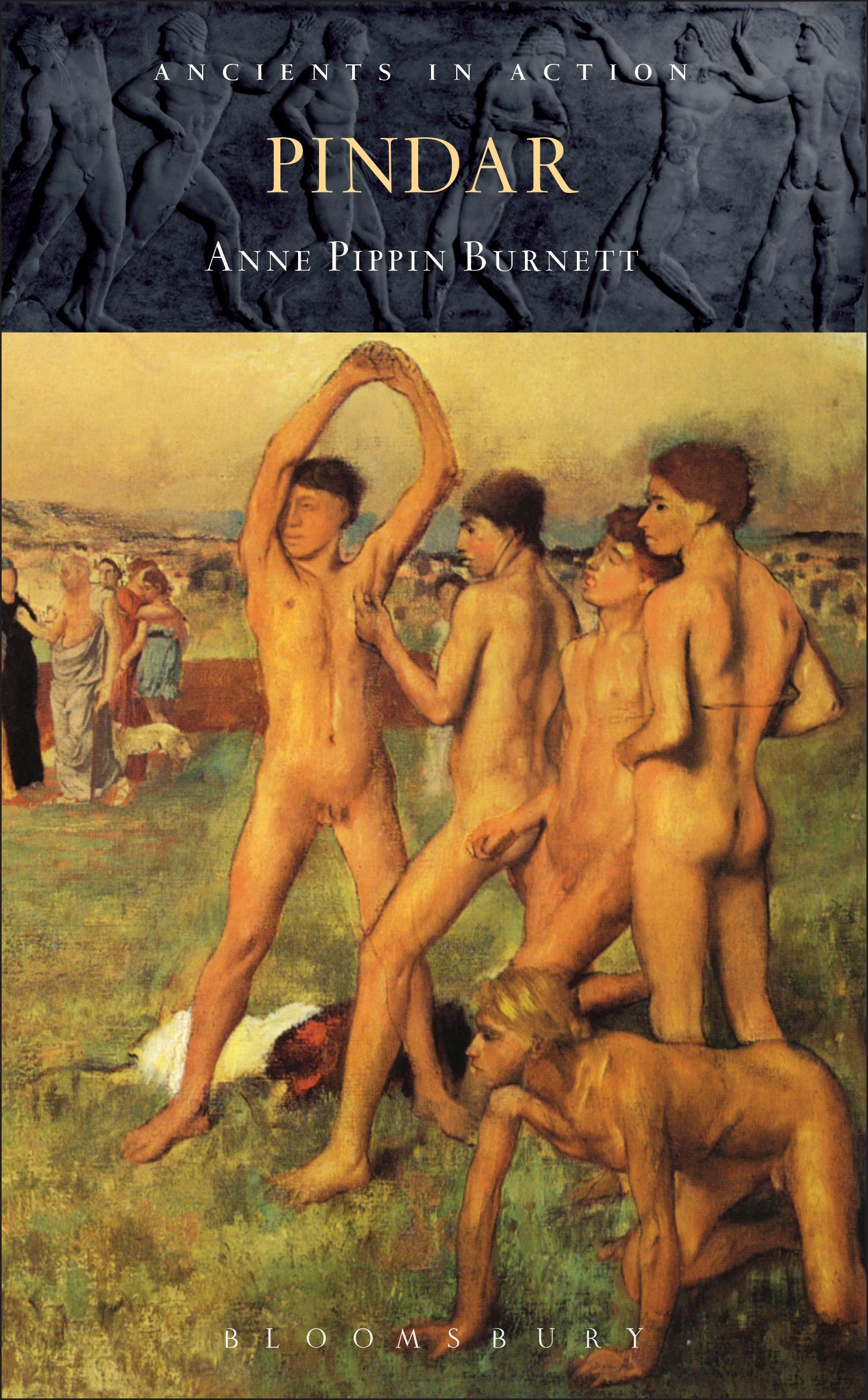
Of all the lyric poets of ancient Greece, Pindar is the one whose work has been best preserved. His odes to victorious Greek athletes were entertainments designed for performance in a hospitable atmosphere of drinking, dining and jokes. The victor has known the favour of the god whose contest he entered, and has brought back pan-Hellenic fame to his family, friends and city. To extend this glory and make it permanent, he has commissioned a song of praise, had dancers trained to sing it, and summoned an audience of kinsmen, neighbours and friends to enjoy it. Pindar's odes contain invocations and prayers, but their most characteristic effects are achieved thhrough the depiction of fragments of myth. Anne Pippin Burnett argues that these passages were meant neither as mere decoration nor as moral instruction, but served rather as a dramatic mechanism by which dancers brought an experience of another world to guests gathered in the banqueting suite of the victor.
Paga facilmente con carta, Klarna, Apple Pay o Google Pay. Non sei soddisfatto? Hai sempre 14 giorni per il rimborso. Leggi di più nei nostri termini. Per qualsiasi domanda, scrivici a hello@memmo.org.
Memmo rende lo studio più facile, ovunque tu sia nel mondo. Qui trovi i tuoi libri di testo e strumenti di studio intelligenti, tutto in un unico posto: riassunti, quiz, podcast e flashcard. E poi c'è Ted, il tuo compagno di studio che risponde a ogni tua domanda. Oltre 50.000 studenti studiano già qui: è stato creato per aiutarti a imparare più velocemente e a stressarti meno.