
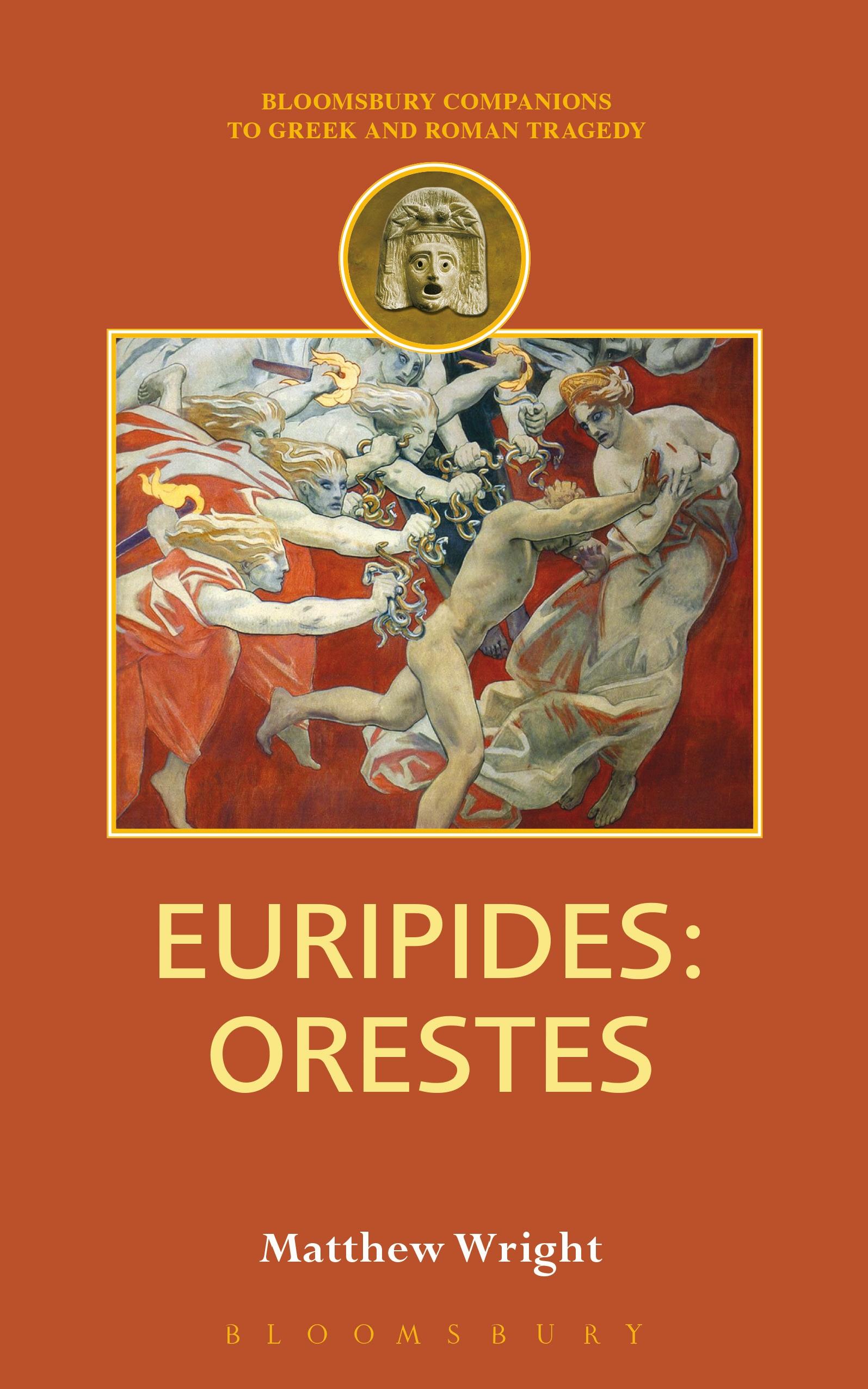
"Orestes" was one of Euripides' most popular plays in antiquity. Its plot, which centres on Orestes' murder of his mother Clytemnestra and its aftermath, is exciting as well as morally complex; its presentation of madness is unusually intense and disturbing; it deals with politics in a way which has resonances for both ancient and modern democracies; and, it has a brilliantly unexpected and ironic ending. Nevertheless, "Orestes" is not much read or performed in modern times. Why should this be so? Perhaps it is because "Orestes" does not conform to modern audiences' expectations of what a 'Greek tragedy' should be. This book makes "Orestes" accessible to modern readers and performers by explicitly acknowledging the gap between ancient and modern ideas of tragedy. If we are to appreciate what is unusual about the play, we have to think in terms of its impact on its original audience. What did they expect from a tragedy, and what would they have made of "Orestes"?
Paga facilmente con carta, Klarna, Apple Pay o Google Pay. Non sei soddisfatto? Hai sempre 14 giorni per il rimborso. Leggi di più nei nostri termini. Per qualsiasi domanda, scrivici a hello@memmo.org.
Memmo rende lo studio più facile, ovunque tu sia nel mondo. Qui trovi i tuoi libri di testo e strumenti di studio intelligenti, tutto in un unico posto: riassunti, quiz, podcast e flashcard. E poi c'è Ted, il tuo compagno di studio che risponde a ogni tua domanda. Oltre 50.000 studenti studiano già qui: è stato creato per aiutarti a imparare più velocemente e a stressarti meno.