
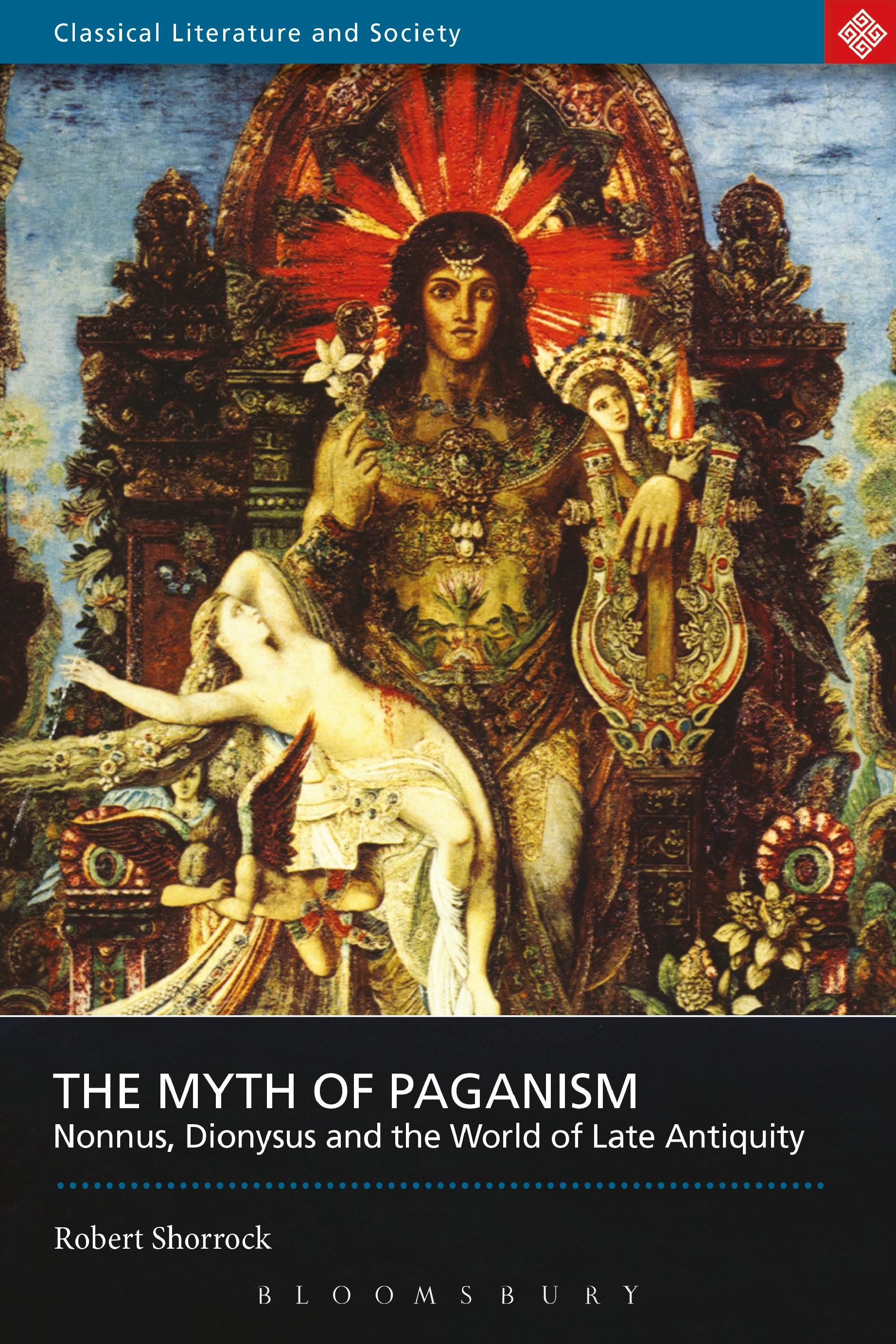
Traditional and still prevalent accounts of late antique literature draw a clear distinction between 'pagan' and 'Christian' forms of poetry: whereas Christian poetry is taken seriously in terms its contribution to culture and society at large, so-called pagan or secular poetry is largely ignored, as though it has no meaningful part to play within the late antique world. The Myth of Paganism sets out to deconstruct this view of two contrasting poetic traditions and proposes in its place a new integrated model for the understanding of late antique poetry. As the book argues, the poet of Christ and the poet of the Muses were drawn together into an active, often provocative, dialogue about the relationship between Christianity and the Classical tradition and, ultimately, about the meaning of late antiquity itself. An analysis of the poetry of Nonnus of Panopolis, author of both a 'pagan' epic about Dionysus and a Christian translation of St John's Gospel, helps to illustrate this complex dialectic between pagan and Christian voices.
Paga facilmente con carta, Klarna, Apple Pay o Google Pay. Non sei soddisfatto? Hai sempre 14 giorni per il rimborso. Leggi di più nei nostri termini. Per qualsiasi domanda, scrivici a hello@memmo.org.
Memmo rende lo studio più facile, ovunque tu sia nel mondo. Qui trovi i tuoi libri di testo e strumenti di studio intelligenti, tutto in un unico posto: riassunti, quiz, podcast e flashcard. E poi c'è Ted, il tuo compagno di studio che risponde a ogni tua domanda. Oltre 50.000 studenti studiano già qui: è stato creato per aiutarti a imparare più velocemente e a stressarti meno.